Living in the Missouri River valley brings a specific set of challenges for property owners, from the high-water table near the riverfront to the unique stormwater runoff patterns created by the loess hills. When a basement floods or a pipe bursts, the clock starts ticking immediately against structural integrity and indoor air quality. Our crew understands that Council Bluffs residents don’t just need a cleanup crew; they need a team that knows how local soil saturation affects foundation pressure and why immediate water extraction is the only way to prevent long-term mold growth in our humid Iowa summers.
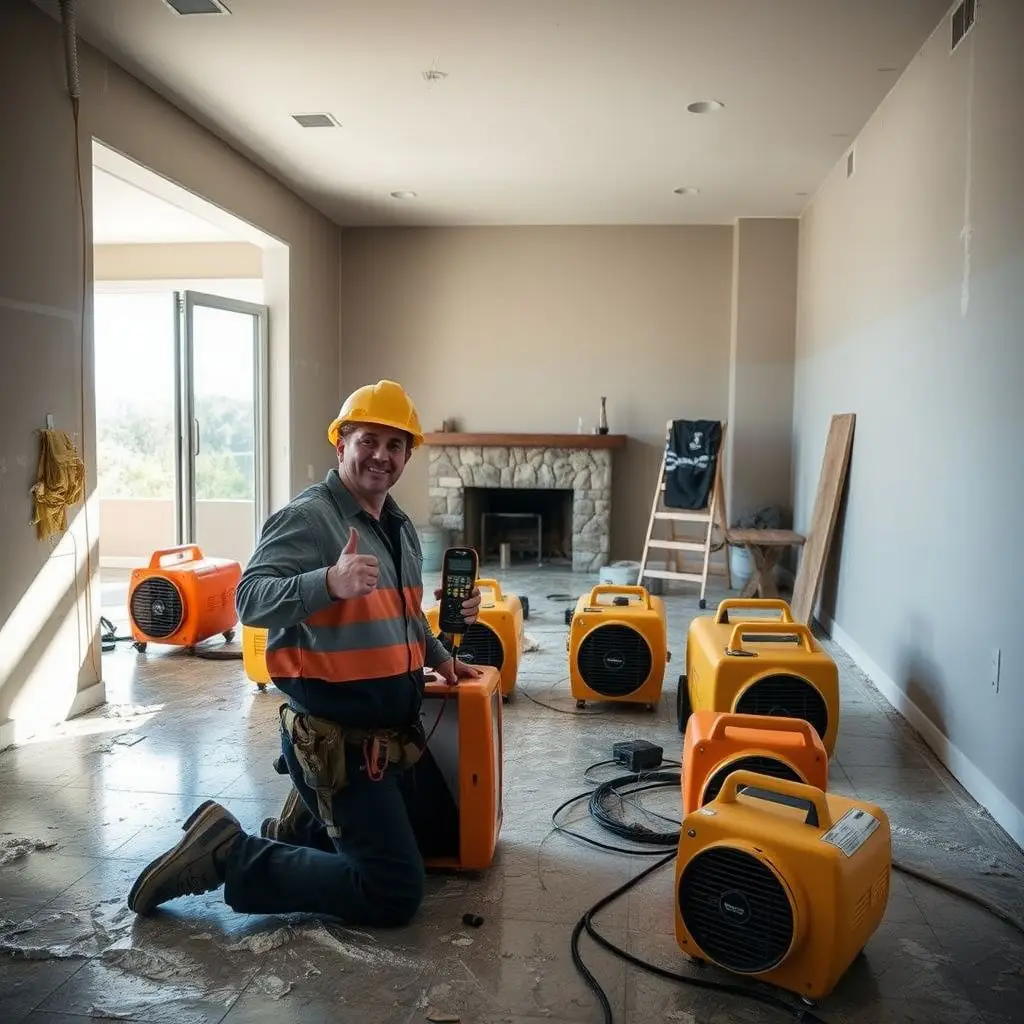
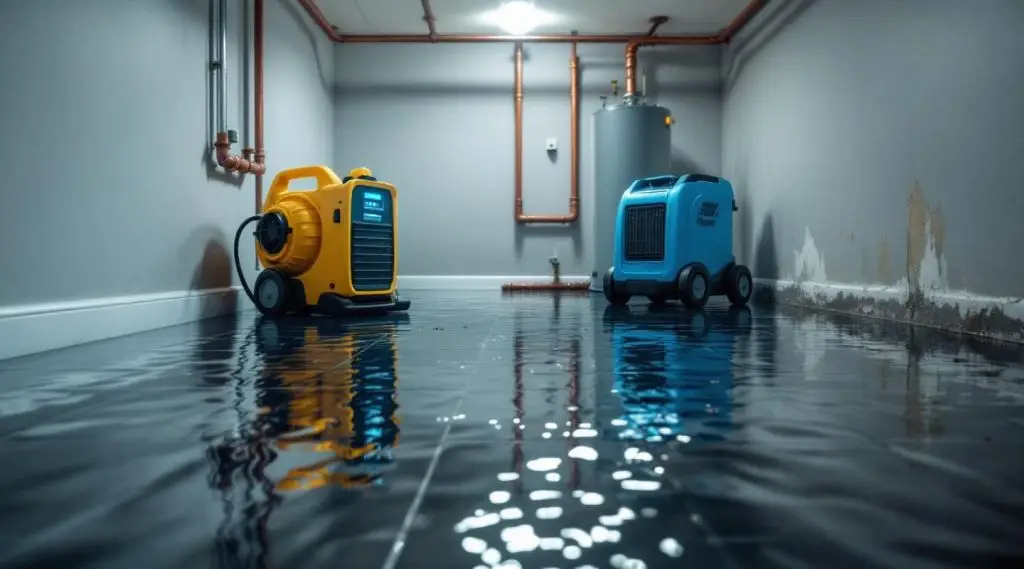
We specialize in managing the aftermath of sump pump failures during heavy Midwest thunderstorms and the complex cleanup required after Mosquito Creek overflows its banks. Whether you are dealing with a sewage backup in an older South Council Bluffs home or a massive pipe burst in a commercial facility near the casino district, our technicians arrive with the specialized equipment needed for structural drying and moisture detection. We don’t just pull out the standing water; we use industrial-grade dehumidifiers and high-velocity air movers to ensure that hidden moisture in wall cavities and subfloors is fully mitigated.
Our team is deeply familiar with the all service areas we cover across the metro, but we maintain a dedicated focus on the specific building stock found here in Pottawattamie County. From the historic craftsman homes with original hardwood floors to modern retail spaces, we prioritize a response that minimizes tenant displacement and protects your investment. We are available 24/7 because we know that water damage doesn’t wait for business hours, especially when a winter freeze threatens aging plumbing along the city’s main corridors.
| Monday | 8:00 AM – 8:00 PM |
|---|---|
| Tuesday | 8:00 AM – 8:00 PM |
| Wednesday | 8:00 AM – 8:00 PM |
| Thursday | 8:00 AM – 8:00 PM |
| Friday | 8:00 AM – 8:00 PM |
| Saturday | 8:00 AM – 8:00 PM |
| Sunday | 8:00 AM – 8:00 PM |
When water enters your property, you don’t have time to wait for a company coming from across the state. Our local presence in the metro area allows us to reach Council Bluffs neighborhoods quickly, which is critical for saving expensive materials like hardwood floors and preventing the onset of mold. We combine technical expertise with a deep understanding of local building codes and insurance requirements, ensuring that your restoration project is handled correctly from the first call to the final inspection.
We focus on a science-based approach to drying, using advanced moisture detection tools to find water that the human eye can’t see. This prevents the common DIY mistake of drying the surface while leaving the wall cavities damp, which inevitably leads to costly mold remediation weeks later. Our commitment to the IICRC S500 standards means we follow the most effective protocols for every category of water, from clean pipe bursts to hazardous sewage backups.
Council Bluffs features a diverse landscape of property types, each requiring a nuanced approach to restoration. The older residential neighborhoods near the city center often contend with aging cast-iron plumbing and block foundations that are susceptible to hydrostatic pressure and slow seepage. Meanwhile, the commercial developments along the riverfront face unique flood plain considerations and the need for rapid business-continuity solutions to prevent revenue loss. Our services are tailored to meet these specific local demands, ensuring that every job is handled with the right equipment for the specific architecture involved.
We provide a full spectrum of mitigation and repair services, ranging from specialized hardwood floor drying in historic homes to large-scale structural drying for industrial warehouses. Our technicians are trained in the IICRC S500 standard, ensuring that every step of the process—from the initial water extraction to the final application of antimicrobial treatments—is performed to the highest industry benchmarks. We also assist property managers in documenting damage for insurance adjusters, providing the detailed moisture logs and thermal imaging reports necessary for a smooth claims process.

When a supply line snaps or an Council Bluffs summer storm sends several inches of water into your basement, the window for a successful recovery is incredibly narrow.
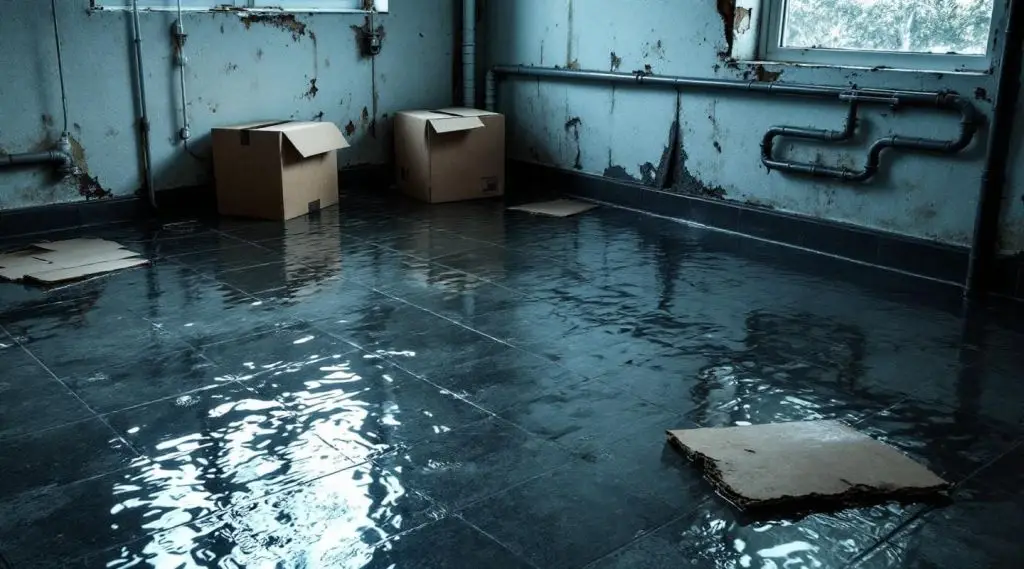
Council Bluffs weather is notoriously unpredictable, and for many homeowners, a heavy spring downpour or a sudden summer thunderstorm can quickly turn a dry basement into a disaster zone.
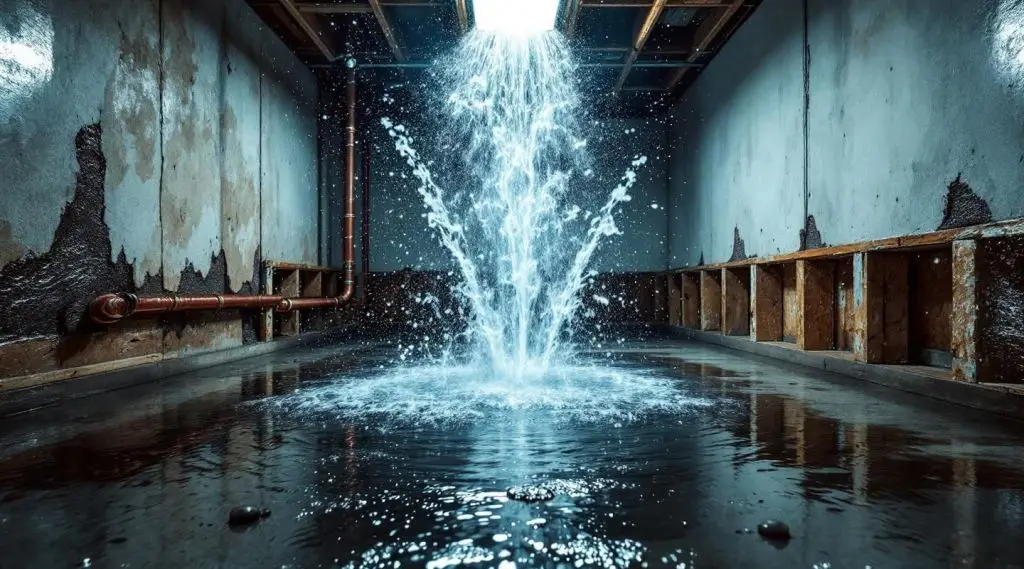
When the mercury drops in Council Bluffs, the plumbing in older neighborhoods like Dundee or Benson faces a brutal test.
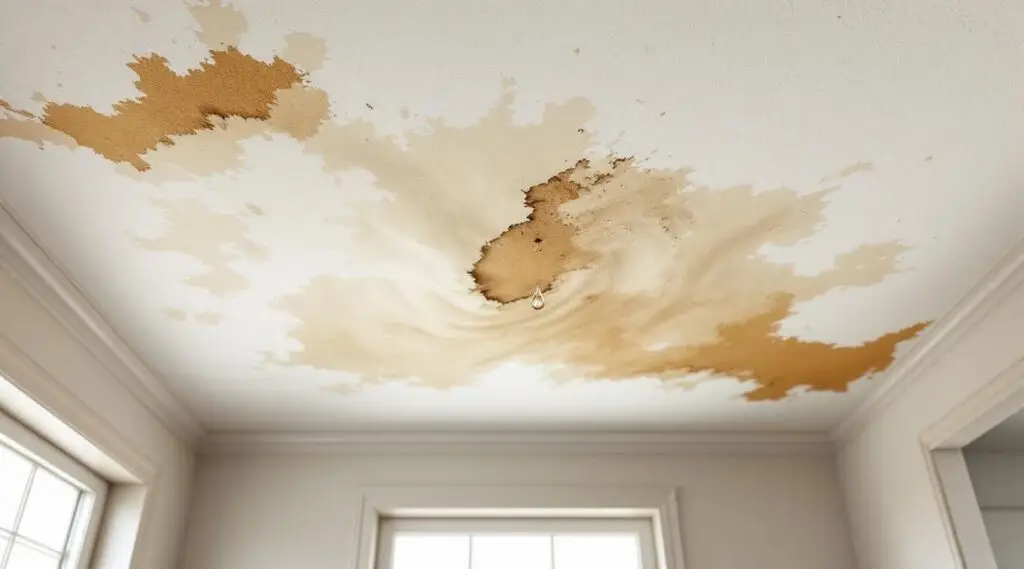
Our dedicated San Diego team provides emergency Ceiling Water Damage Repair to address sagging drywall and hidden moisture before structural issues or mold can compromise your family's residential living space.
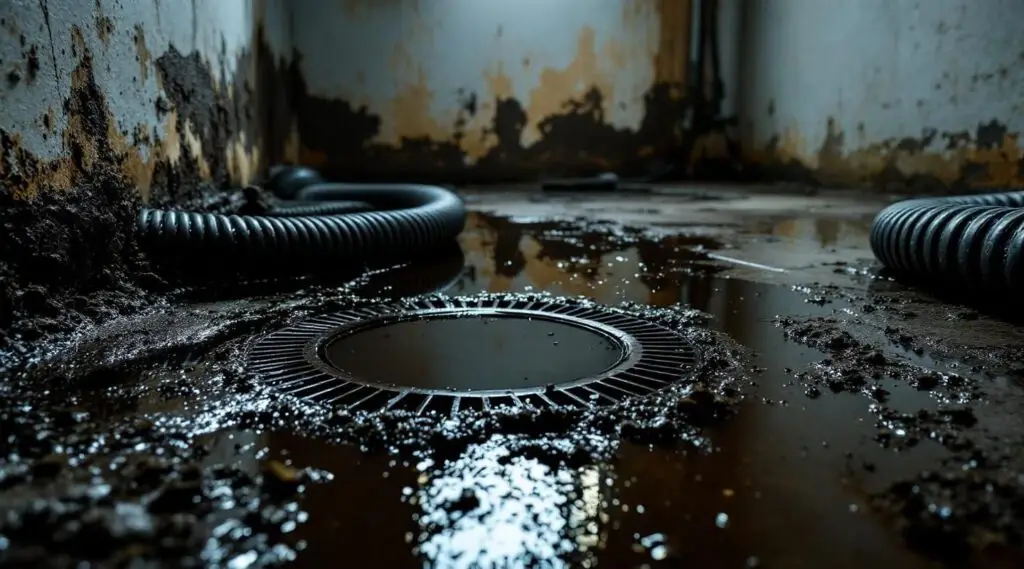
Discovering a sanitary sewer overflow in your basement is a visceral crisis that goes beyond a simple mess.
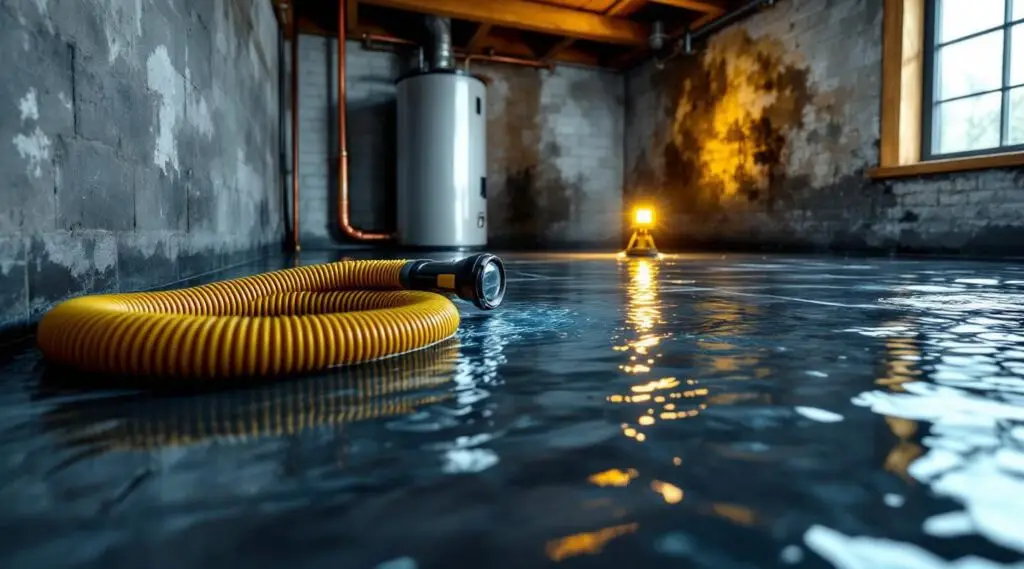
When you walk down your basement stairs and feel the unmistakable squish of saturated carpet, your first instinct is usually panic.
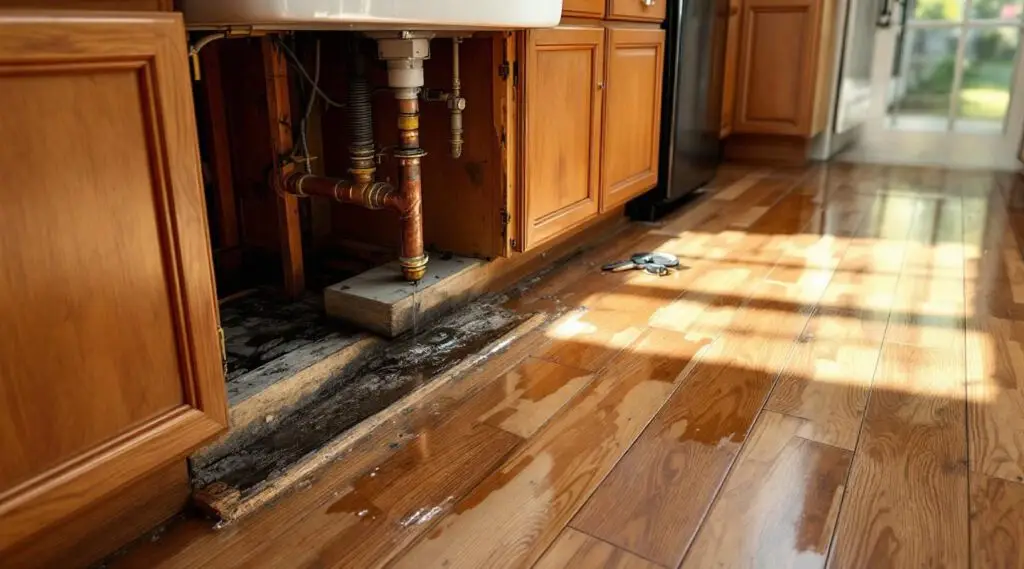
A slow drip under your kitchen sink isn't just a nuisance; it’s a quiet threat to the structural integrity of your home.
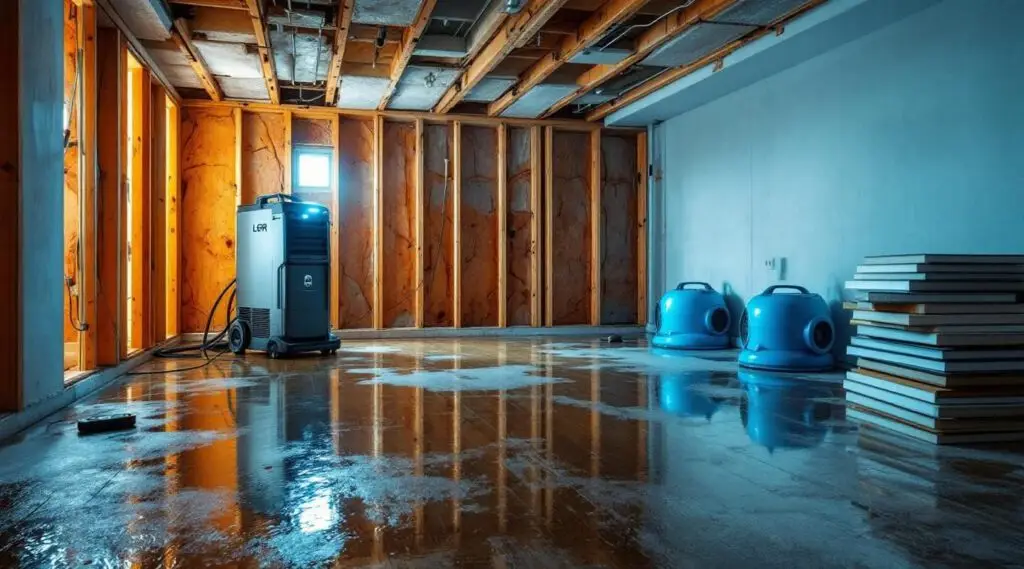
Walking into a flooded basement or seeing water drip through your living room ceiling is a gut-punch moment for any homeowner.
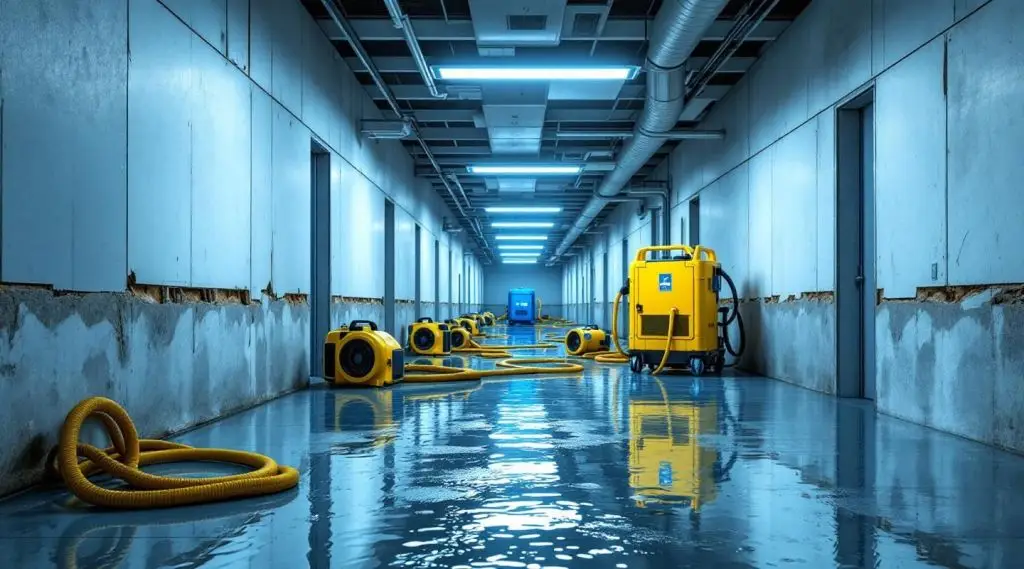
When a main water line bursts on the fourth floor of an Council Bluffs office complex or a flash flood overwhelms your warehouse loading dock, the clock starts ticking against your bottom line.
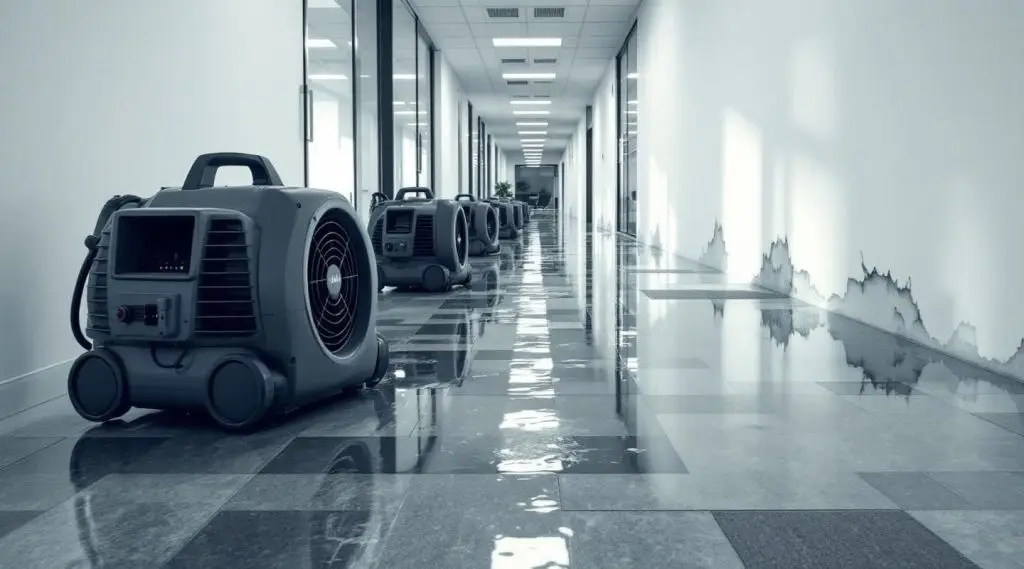
When a water main breaks or a flash flood hits a commercial property in Council Bluffs, the clock starts ticking against your building’s structural integrity and your tenants' patience.
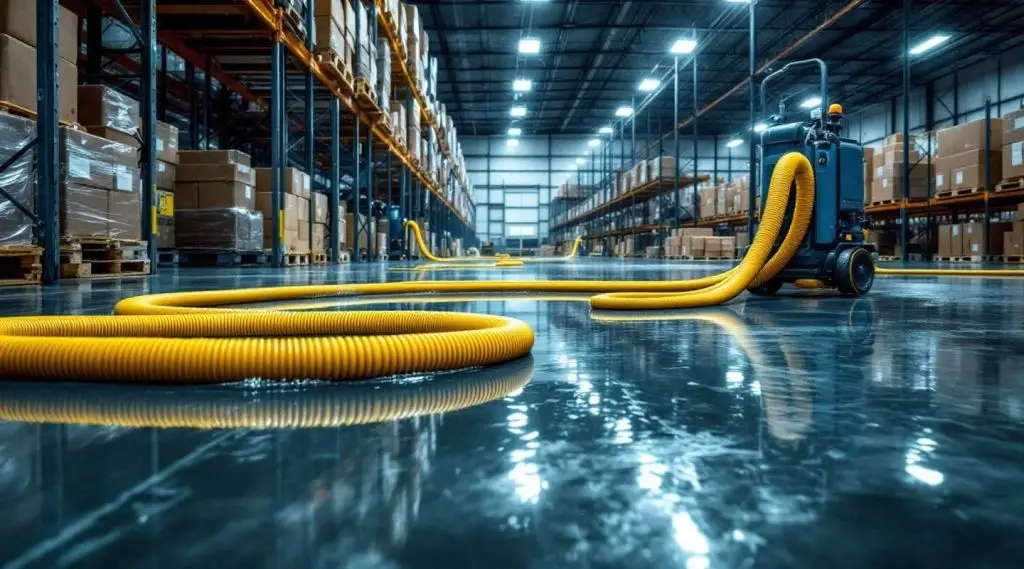
When a storm overwhelms the drainage system of your Council Bluffs facility or a supply line ruptures in an unheated loading dock, the clock starts ticking against your bottom line.
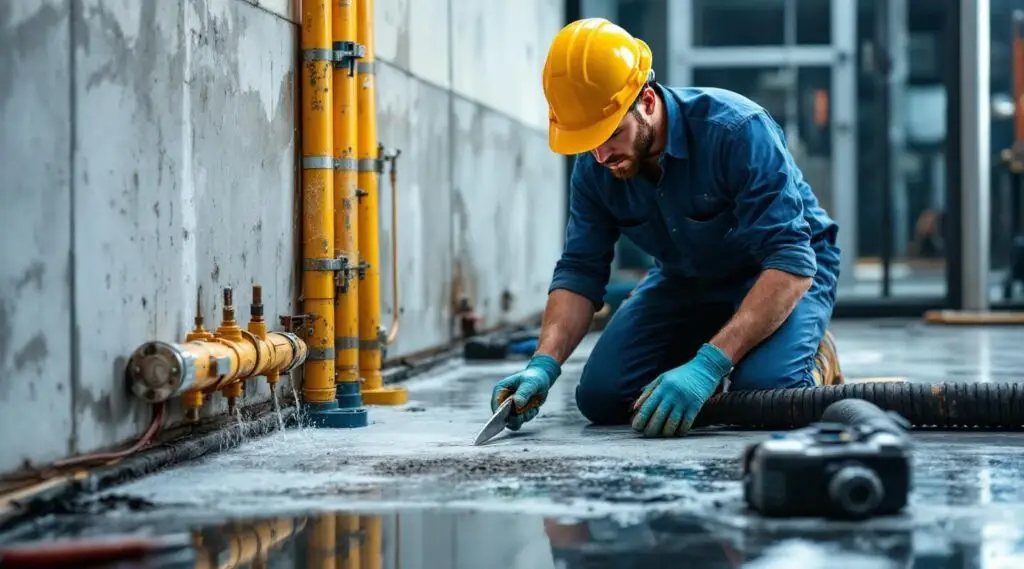
When a vertical pipe stack fails on the fifth floor or a sprinkler head accidentally discharges in a crowded lobby, the clock starts ticking against your hotel’s bottom line.
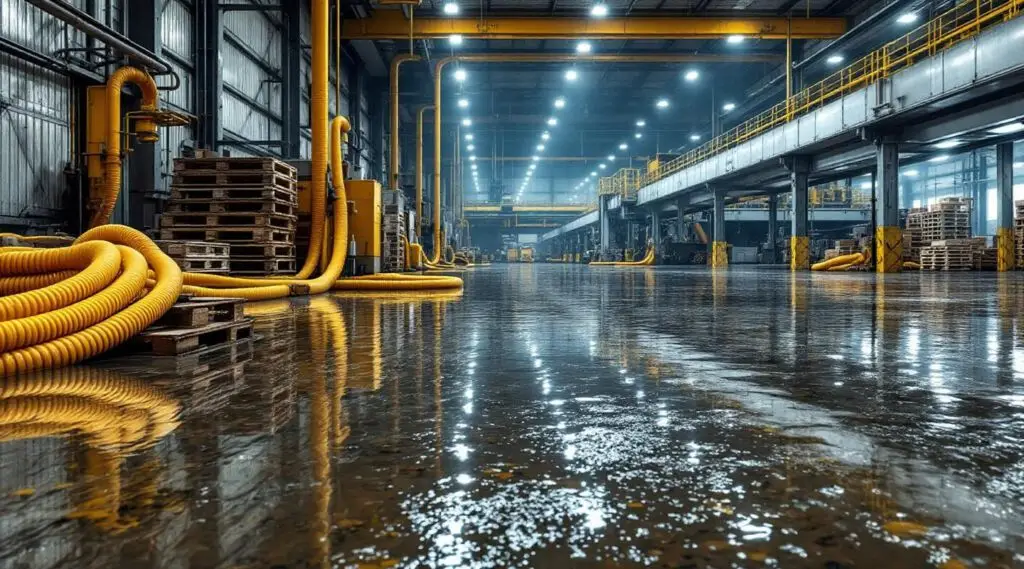
When an industrial facility or large-scale commercial property in Council Bluffs faces a flood, the clock doesn't just tick—it roars.
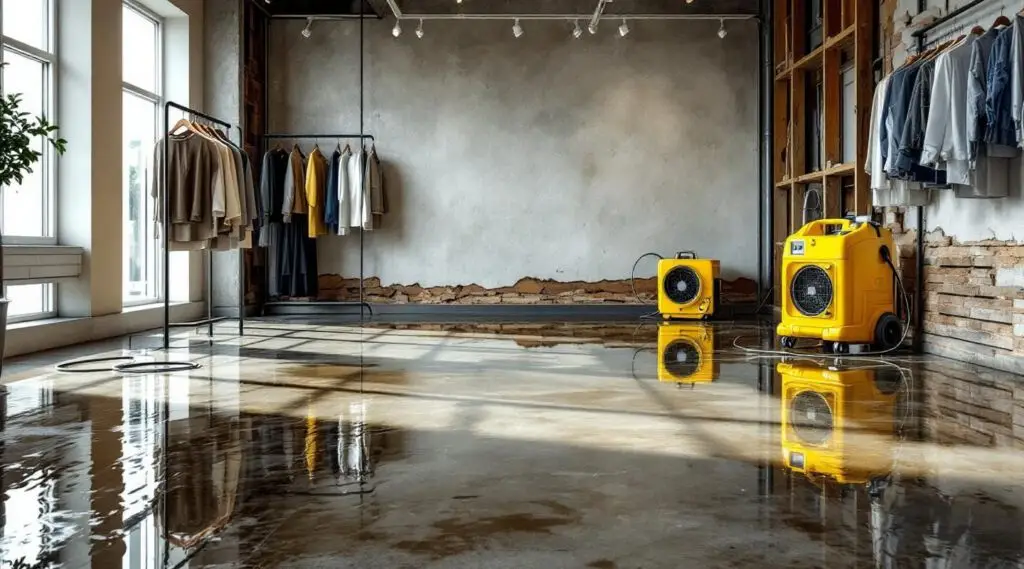
When a flash flood or a failed sprinkler system hits your retail space, the clock starts ticking against your bottom line.
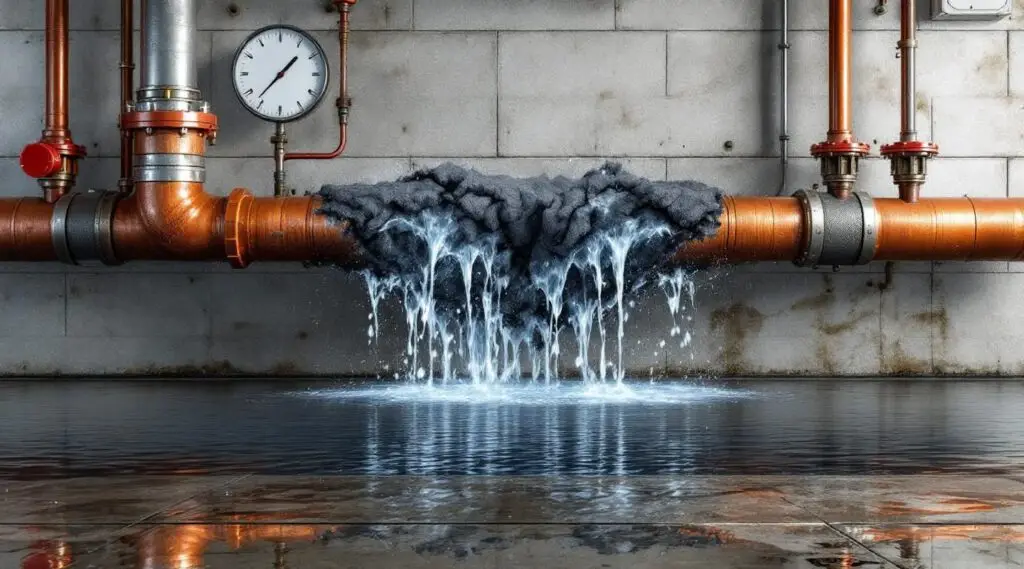
When a pressurized pipe failure occurs in a multi-story office or a retail warehouse, the volume of water released is staggering.
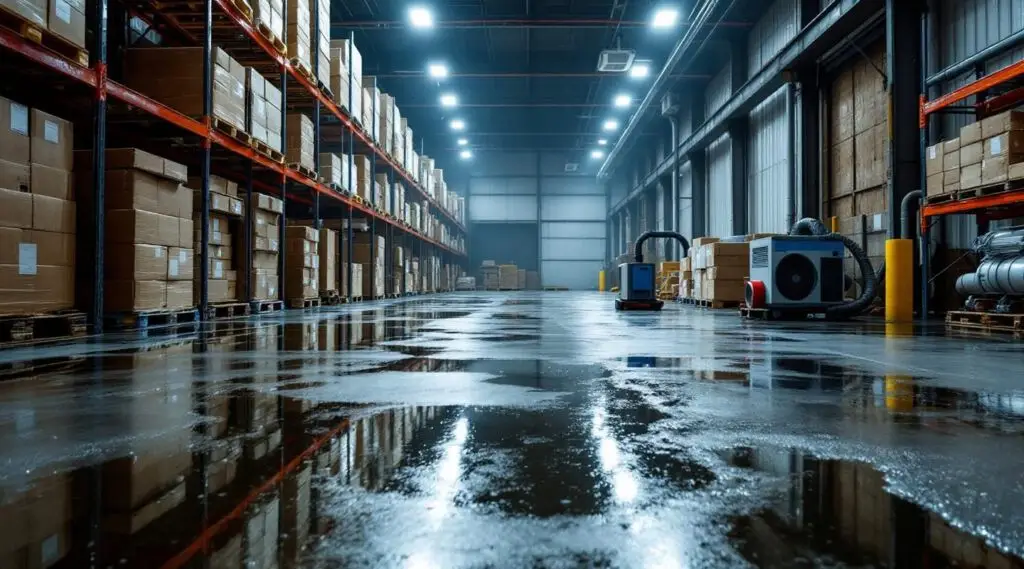
Our specialized team delivers rapid water extraction and industrial-grade structural drying to protect your inventory and restore your San Diego commercial facility to full operation after a flood.
At Kedor Restorations, we recognize that water damage is more than just a mess—it is a disruption to your life and a threat to your property’s value. Our experienced crew has spent years navigating the specific challenges of the Council Bluffs climate, from the rapid snowmelts of spring to the intense humidity of July. We don’t just show up with fans; we bring a deep understanding of how local building materials react to saturation and how to effectively dry them to prevent secondary damage like mold or wood rot.
We pride ourselves on being a resource for the community, helping homeowners understand the complexities of FEMA flood zone designations and the importance of proper sump pump maintenance. Our commitment to the area is reflected in our rigorous adherence to safety standards and our transparent communication with every client. When you call us, you are getting a team that knows the streets of Council Bluffs and is ready to provide the professional, technical support needed to navigate a stressful property emergency.
Council Bluffs holds a storied place in American history, famously serving as the eastern terminus for the First Transcontinental Railroad. This legacy is still visible today in the city’s layout and the enduring presence of the rail lines that once fueled the nation’s westward expansion. The visual feel of the city is a striking contrast between the flat, fertile floodplains of the Missouri River and the dramatic, wind-deposited silt formations known as the loess hills. These hills, which are a rare geological feature found in only a few places globally, provide a rugged backdrop to the residential neighborhoods that climb their slopes.
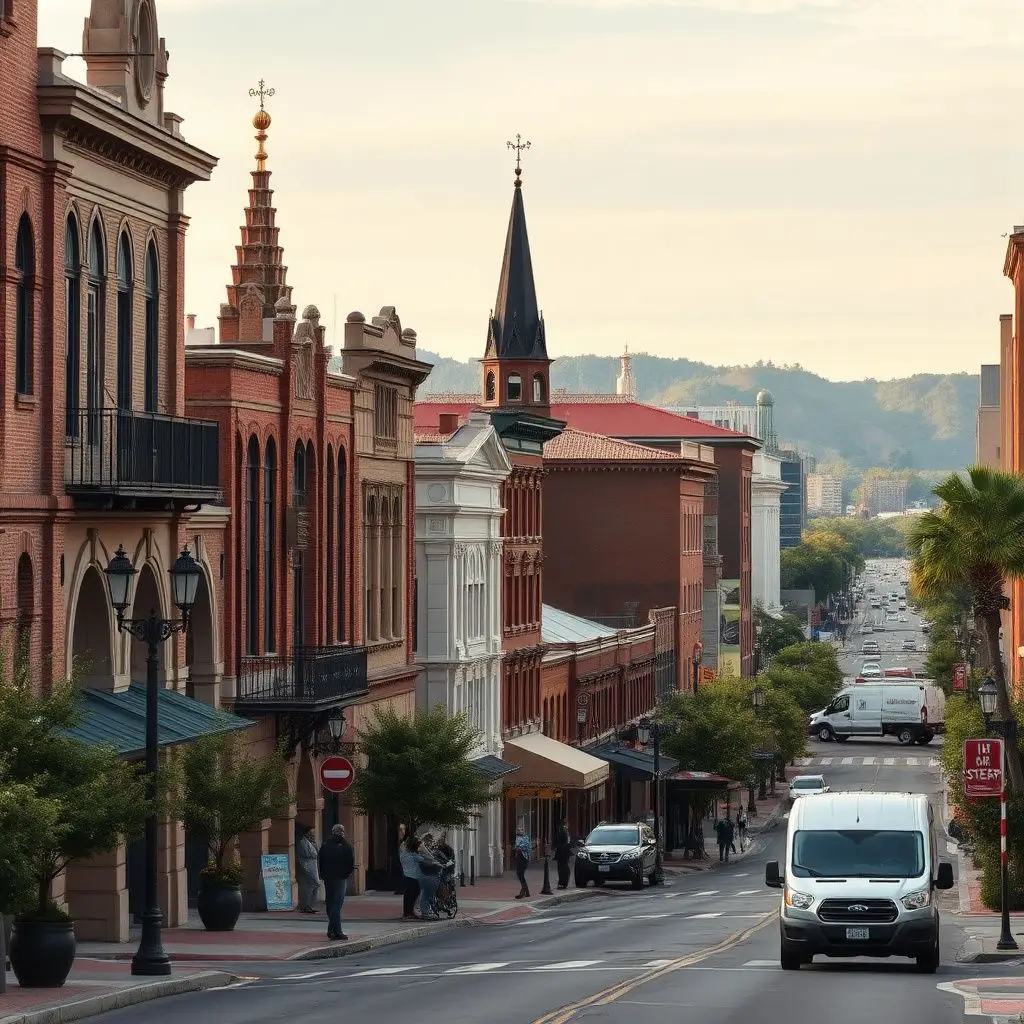
The architecture of Council Bluffs reflects its long history, with the Broadway corridor featuring grand brick buildings and the surrounding streets filled with sturdy mid-century homes and historic craftsman bungalows. The city’s identity is deeply tied to the river, which has provided both economic opportunity and environmental challenges over the decades. Residents here are resilient, accustomed to the seasonal rhythms of the Midwest and the occasional fury of the Missouri River. There is a palpable sense of community in the local parks and historic districts, where the city’s past as a frontier outpost meets its future as a growing hub for tech and commerce.
Walking through the historic General Dodge House or across the Bob Kerrey Pedestrian Bridge, one feels the intersection of old-world grit and modern connectivity. The city’s aesthetic is defined by these layers of history—the weathered brick of the 100 Block, the steel of the bridges, and the lush greenery of the bluffs. It is a place that values its roots while constantly adapting to the forces of nature that shape the landscape. This unique environment requires a specialized approach to property maintenance, as the same bluffs that offer beautiful views also create complex drainage patterns that homeowners must manage carefully.
Council Bluffs is a city defined by its relationship with the Missouri River and its role as a historic transportation hub. From the sweeping views atop the loess hills to the modern amenities of the riverfront, the city offers a unique blend of natural beauty and industrial heritage. This geographic diversity is what makes the area special, but it also dictates how we approach property care and environmental management across the different districts.
Whether you are exploring the historic trails or visiting the vibrant downtown area, the character of the city is evident in its preserved architecture and community spaces. Our back to home team is proud to support the residents and businesses that make this city a vital part of the Omaha-Council Bluffs metropolitan area, ensuring that even when disaster strikes, the local charm and structural integrity of our neighborhoods remain intact.
Bob Kerrey Pedestrian Bridge – A stunning 3,000-foot footbridge crossing the Missouri River, connecting Council Bluffs to Omaha with great views of the skyline.
Union Pacific Railroad Museum – Located in a historic library building, this museum chronicles the history of the railroad and its impact on the city's development.
Historic General Dodge House – The 1869 Victorian mansion of Civil War General Grenville M. Dodge, a key figure in the building of the Transcontinental Railroad.
Tom Hanafan River's Edge Park – A premier riverfront park featuring a massive lawn for events and beautiful views of the Missouri River valley.
At Kedor Restorations, we promise more than just a dry building; we promise peace of mind during one of the most stressful experiences a property owner can face. We understand that the financial aspect of restoration is often as daunting as the physical damage. That is why we commit to total transparency in our documentation, providing you and your insurance carrier with comprehensive moisture maps and thermal imaging reports that justify every step of our mitigation process. We don’t believe in guesswork; we believe in data-driven results that ensure your property is truly restored to a pre-loss condition.
Our accountability extends to the way we treat your home or business. We respect your space by maintaining a clean work site and communicating clearly about our progress every day. Whether we are dealing with a minor pipe leak or a major flood event from the Missouri River, our goal is to minimize the disruption to your life. We stand behind our work with the technical expertise that Council Bluffs residents expect, ensuring that the structural integrity of your property is protected for the long term. When you trust us with your restoration, you are getting a partner dedicated to getting you back to normal as quickly and safely as possible.
Below are common questions:
In an emergency, response time is the most critical factor in preventing permanent damage. We aim to have a crew on-site in Council Bluffs within 60 minutes of your call. Because we are based in the metro area, we can quickly navigate to neighborhoods near Mosquito Creek or the Broadway corridor. Rapid response allows us to begin water extraction immediately, which is essential for saving materials like drywall and hardwood that begin to degrade within 24 hours of exposure.
Standard homeowners insurance typically covers ‘sudden and accidental’ water discharge, such as a burst pipe or a failed water heater. However, damage caused by rising groundwater or river flooding—common in the Council Bluffs floodplains—usually requires a separate flood insurance policy through the NFIP. We work directly with your insurance adjuster to document the source of the water and provide the detailed moisture logs and photos they need to process your claim accurately.
Safety is your first priority. If it is safe to do so, turn off the electricity to the affected area to prevent shocks. Avoid contact with the water if you suspect a sewage backup, as this is a biohazard. Next, call a professional water damage restoration company immediately. Do not wait for the adjuster to arrive before starting mitigation; most policies require you to take ‘reasonable steps’ to prevent further damage, such as professional water extraction and structural drying.
Yes, mold spores can begin to colonize on damp organic materials like drywall and wood in as little as 24 to 48 hours, especially during the humid summer months in the Missouri River valley. Proper water damage restoration in Council Bluffs involves more than just removing standing water; it requires controlling the indoor humidity levels with industrial dehumidifiers. Our team monitors these levels daily to ensure the environment is too dry for mold to grow, protecting your family’s health and your property’s value.
The water that spilled got into the cupboards and floor near the sink. The restoration team gently took out the broken pieces and dried the area entirely.
Charlotte Welch
After a large storm destroyed the roof and the inside of the house, Kedor Restorations came in. They finished the mitigation work fast, which kept more structural problems from happening. The group was well-organized, talked to each other, and did a great job.
Rosemary Darden
Before they started cleaning up, our mold removal business took the time to find out where the moisture was coming from.
Cindy Goode
When a pipe broke in my bathroom and water started to seep into the hallway, it spread faster than I anticipated it would. I called a company that fixes water damage, and they called me back right away. The personnel had the right tools and quickly got rid of the water. They didn't only look at the parts that were easy to see; they also looked behind walls and under floors to make sure they didn't miss anything. I liked how they went into each step, especially the drying process and why it's so crucial to keep mold from growing. They examined the moisture levels every few days and made any changes to their tools that were necessary. I was glad to know that everything had been thought out nicely. Everything was safe and dry again when they were done. It's good to know that experts care about this and don't take shortcuts.
Betty Wellington
We didn't see that water was slowly flowing into the basement for months. Their inspection tools found the main problem, and they cleaned up, stopped mold from spreading, and completed repairs promptly and well. I appreciated how honest they were and how hard they worked.
Nathan Faeyza