
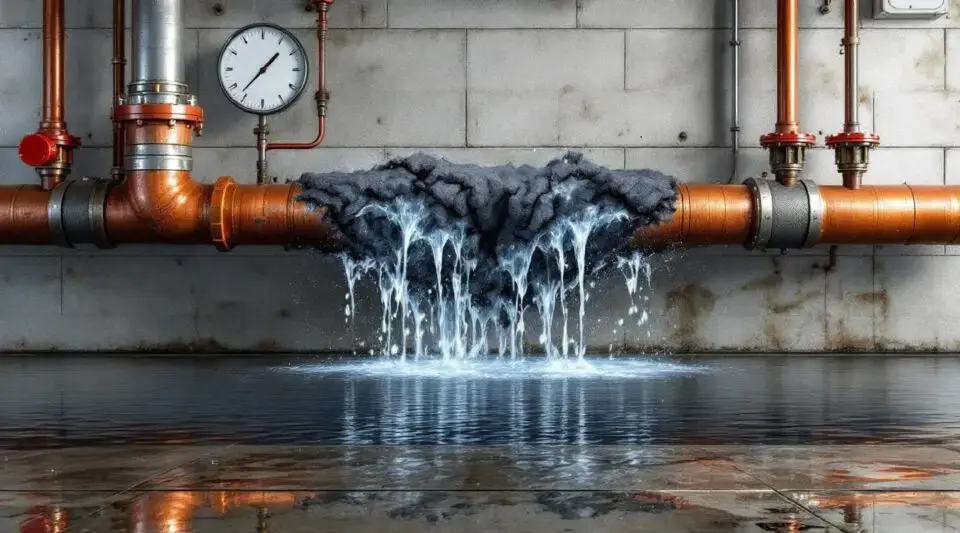
Emergency Water Damage Repair Omaha, NE
Immediate Water Extraction & Moisture Control to Protect Your Home
When a pipe bursts in the dead of a freezing January night or a sudden spring storm overwhelms your sump pump, water doesn't just sit on the surface. It immediately begins migrating into your baseboards, framing, and flooring. At Kedor Restorations, we provide rapid response emergency water damage repair in Omaha to halt this migration before mold has a chance to take hold. Our first step is always immediate water extraction to pull the bulk of the standing liquid out of your living space, preventing further structural degradation.
Many homeowners make the mistake of running standard household box fans, hoping the dampness will clear up on its own. Unfortunately, hidden moisture trapped behind drywall or under carpet pads cannot be reached by surface airflow. Our experienced technicians use advanced thermal imaging and precise moisture mapping to locate hidden pockets of water. This diagnostic process prevents unnecessary demolition, ensuring we only remove drywall saturation that is truly unsalvageable while saving the structural framing underneath.
True structural drying requires a scientific approach to evaporation and dehumidification. We calculate the exact air mover placement and dehumidifier capacity needed based on the specific class of water damage, whether it is a clean appliance leak or a highly contaminated category 3 water sewage backup. By monitoring daily moisture readings, we document the entire drying curve so you have verifiable proof that your subfloor drying is complete before any reconstruction begins.
Our licensed operators handle emergency water damage repair with upfront pricing, fully insured equipment, and 24/7 availability throughout Omaha, NE.
Emergency Water Damage Repair Omaha, NE
Why Immediate Water Extraction and Structural Drying Saves Your Home
When water breaches your home—whether from a frozen pipe in Dundee during a brutal January freeze or a sump pump failure during a spring thunderstorm—every minute counts. Standing water does not just sit there; it actively migrates. It climbs up your drywall, seeps under baseboards, and saturates your subfloors. Getting our experienced technicians on-site immediately to start water extraction stops this migration in its tracks. By pulling the bulk of the liquid out of your home within hours, we prevent drywall saturation from turning into structural failure and keep mold spores from colonizing your living spaces.
True restoration is about more than what you can see with the naked eye. We use thermal imaging to track hidden moisture pathways behind your plaster or wood framing. By establishing a scientific drying plan using precise air mover placement and industrial dehumidification, we pull deep-seated moisture out of the building materials. This careful, measured approach to structural drying ensures that we only remove materials that are truly unsalvageable, saving you from unnecessary demolition costs. We do not guess when the job is done; we rely on daily moisture readings to prove your home is completely dry before any reconstruction begins.
-
Rapid Water Extraction — High-powered truck-mounted pumps pull standing water out fast to stop structural degradation.
-
Advanced Moisture Mapping — Thermal imaging cameras locate hidden pockets of water trapped behind drywall and under hardwood floors.
-
Scientific Structural Drying — Strategic air mover placement and dehumidification dry your home's framing without needless demolition.
-
Mold Growth Prevention — Rapid drying within the critical 24-to-48-hour window stops mold spores from taking root in your walls.
-
Detailed Insurance Documentation — We document daily moisture readings and drying logs to streamline your claim with Xactimate pricing.
Emergency Water Damage Repair Omaha, NE
Why Homeowners in Omaha Trust Kedor Restorations for Emergency Water Damage Repair
When water floods your home, you do not need a national franchise coordinator sitting in a call center three states away. You need a fast, decisive response from a team that knows Omaha neighborhoods, from the historic basements in Dundee to the newer builds in West Omaha. At Kedor Restorations, we operate as a locally owned, independent team of experienced technicians who live and work right here in the community. We do not apply cookie-cutter solutions to complex water intrusion; instead, we tailor our approach to your home’s specific layout and construction materials.
Unlike general handymen or DIY approaches that rely on basic box fans, our crew is fully IICRC certified in water damage restoration and applied structural drying. We use advanced thermal imaging and moisture mapping to track hidden water traveling behind your baseboards and deep into your subfloors. This scientific approach ensures we only remove drywall that is genuinely ruined, saving you unnecessary demolition costs and keeping your restoration project as non-invasive as possible. Kedor Restorations handles everything from the initial water extraction and air mover placement to the final moisture readings, keeping you and your insurance adjuster updated every single step of the way.
LOCALLY OWNED & OPERATED
Dispatchers and drivers who know your community.
GPS-TRACKED FLEET
Real-time ETAs and the closest available truck.
LICENSED PROFESSIONALS
Fully insured operators trained for safe recovery.
UPFRONT PRICING: Clear quotes before our truck rolls
no surprise fees.
Emergency Water Damage Repair Omaha, NE
Frequently Asked Questions
Emergency Water Damage Repair Omaha, NE
Why Quick Water Damage Repair Matters
When water invades your home, the clock starts ticking immediately. Within 24 to 48 hours, mold spores find the perfect breeding ground on wet drywall and under carpet padding. If you ignore a slow leak or delay cleanup after a basement flood, you are inviting structural rot. Water does not just sit on the surface; it migrates. It travels down wall studs, saturates sill plates, and pools on subfloors. Our experienced technicians use thermal imaging to track this hidden migration before it ruins your home's framing.
The type of water matters just as much as the volume. A burst pipe damage event might release clean water, but a sewage backup brings category 3 water loaded with harmful pathogens. This highly contaminated water requires immediate water extraction and specialized sanitization. Simply running household box fans is not enough; it actually spreads airborne contaminants. Professional structural drying requires precise air mover placement and industrial dehumidification to pull deep moisture out of dense materials like hardwood floors and plaster walls. Without this systematic approach, drywall saturation will lead to buckling, and your subfloor will swell and warp.
Acting fast is also the single best way to control your out-of-pocket costs. Most homeowners insurance policies require you to take immediate action to prevent secondary damage. If you wait, your carrier might deny the claim. We document everything from the initial moisture readings to the final drying log using standard Xactimate estimating software. This detailed documentation proves to your adjuster that every step was necessary to save the structure. By starting the contents pack-out and drying process immediately, we can often salvage expensive materials that would otherwise end up in an Omaha landfill.
Our Omaha Water Damage Restoration Services
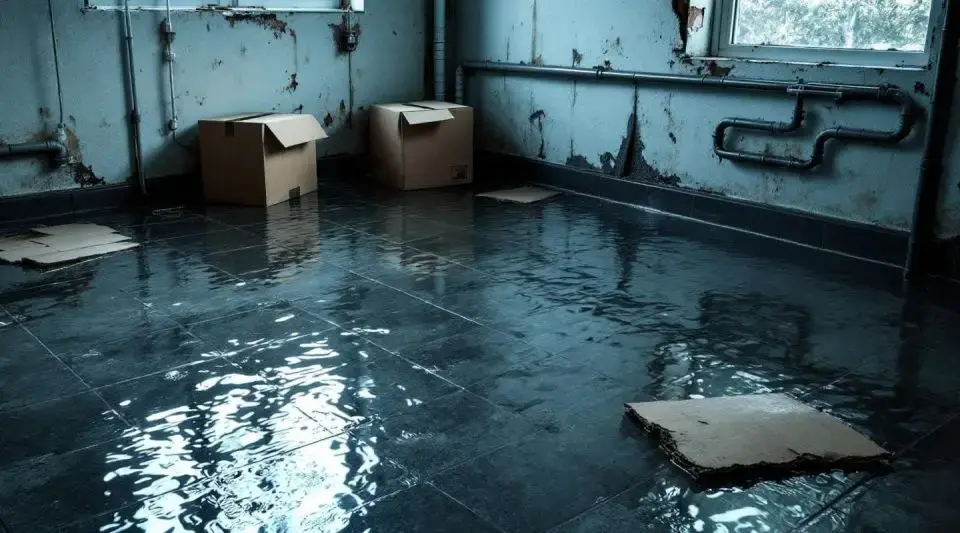
Basement Flood Cleanup
When a sudden spring storm overwhelms the municipal storm sewers in Omaha, a dry basement can turn into a pool of standing water in minutes.
View Service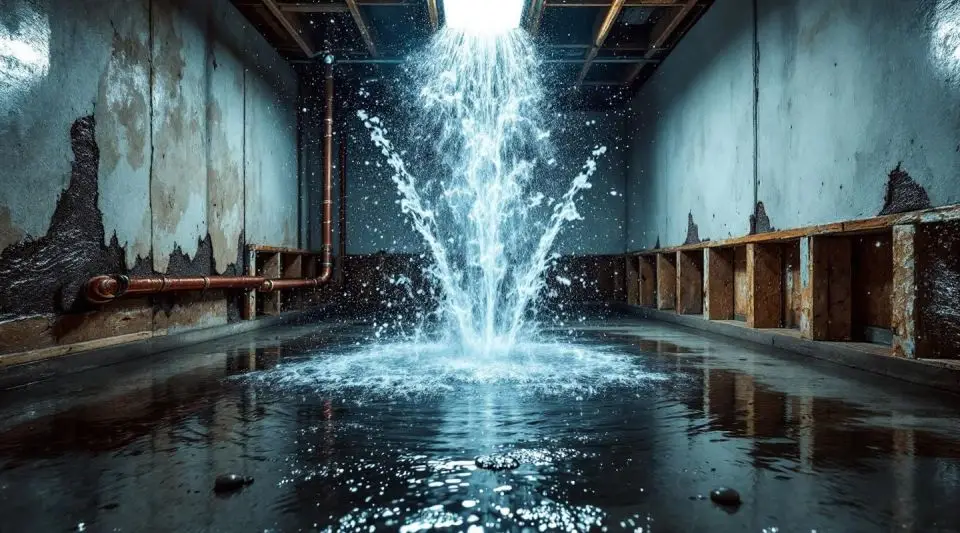
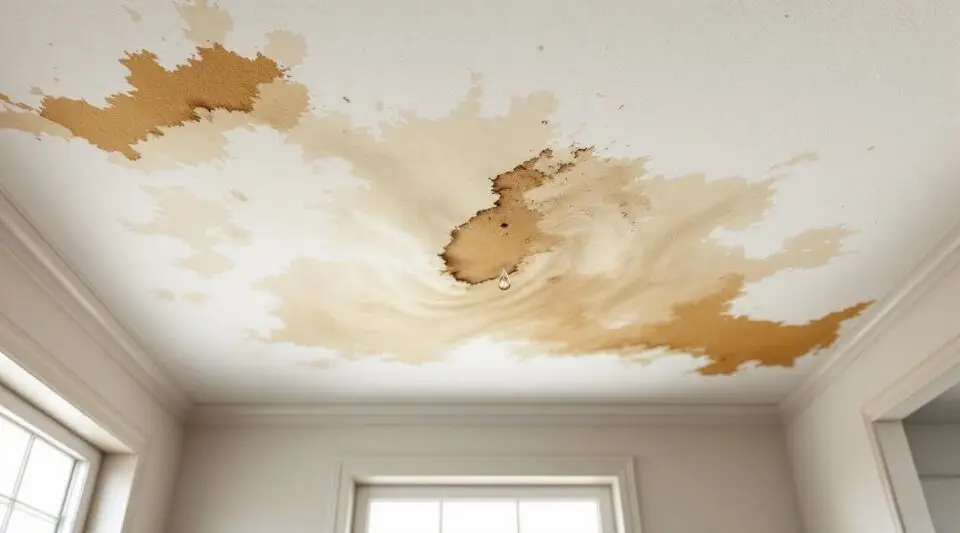
Ceiling Water Damage Repair
Discovering a sagging or stained ceiling can be incredibly stressful for any homeowner, but you don't have to face the cleanup alone.
View Service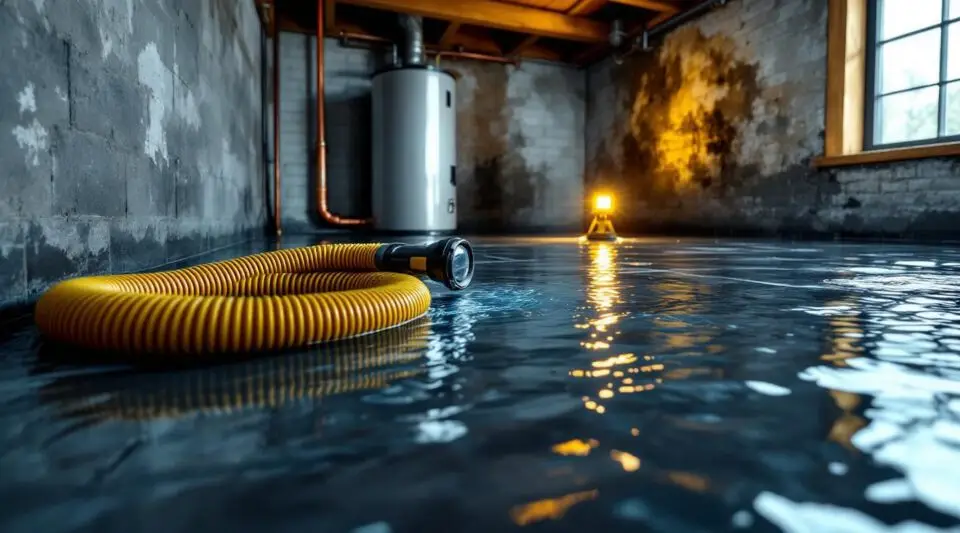
Home Water Removal Services
When a heavy summer storm overloads your sump pump in Dundee or a frozen pipe bursts during a brutal January cold snap, standing water doesn't wait for a convenient time.
View Service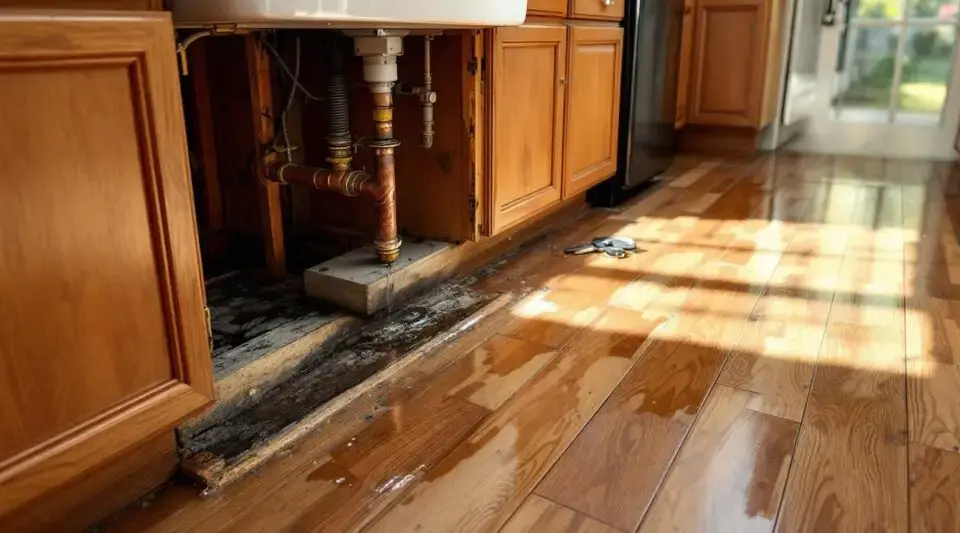
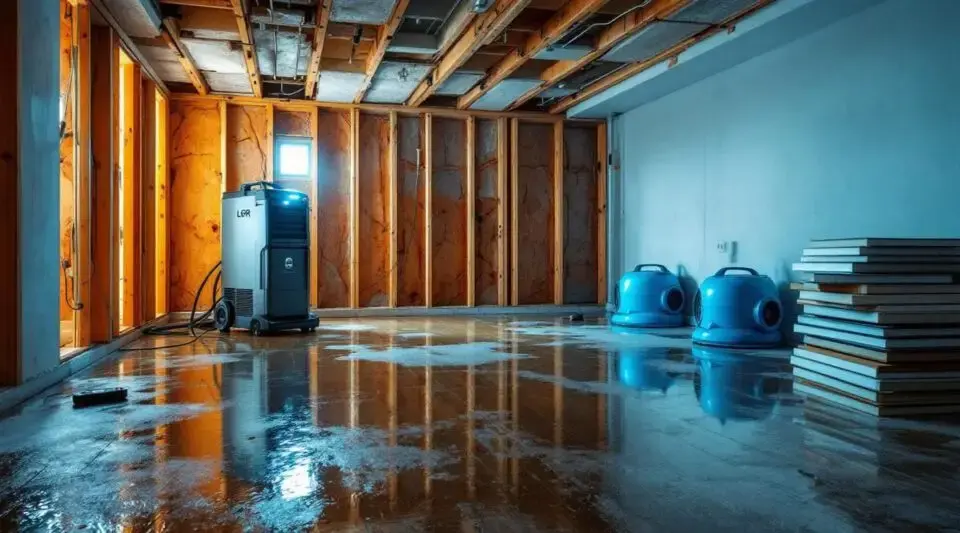
Residential Flood Restoration
When heavy spring thunderstorms roll through the Papillion Creek watershed or a sudden winter freeze bursts a pipe in your crawl space, floodwaters don't wait for a convenient time.
View Service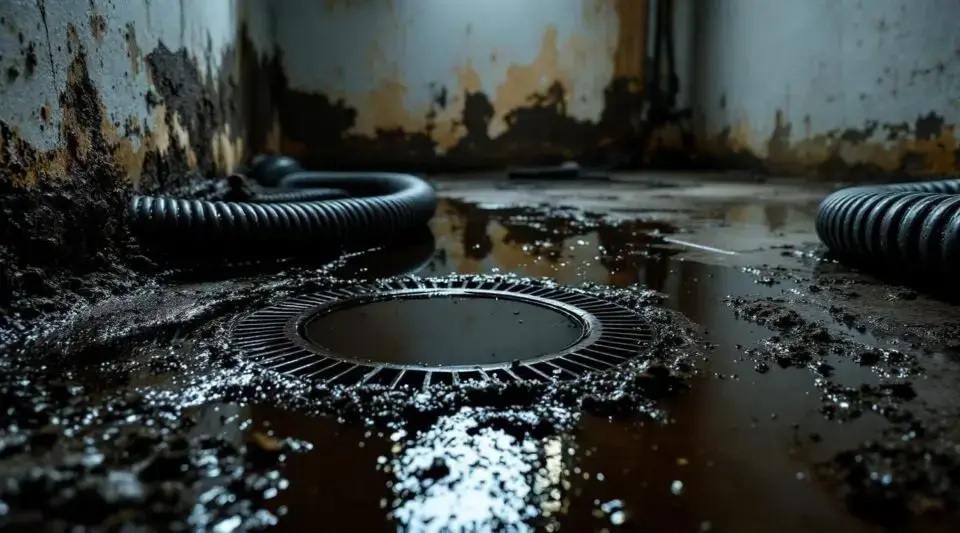
Sewage Backup Cleanup
When heavy rains hit older Omaha neighborhoods like Dundee or Benson, the city's combined sewer system can quickly become overwhelmed.
View ServiceStop the Water. Save Your Omaha Home.
When water is actively soaking into your drywall and subfloors, every minute counts. Our experienced technicians are ready to dispatch immediately with high-capacity water extraction equipment and thermal imaging cameras to locate hidden moisture before mold can take hold. We handle everything from burst pipe damage to sewage backup cleanup, working directly with your insurance carrier to document every step of the drying process.
Do not wait for the damage to spread through your walls. Call us now to get an expert crew on the way to your property in the Omaha metro area, day or night.
What They Say About Us:
The team arrived at my home near West Acres Mall within the hour to handle my flooded basement and remove the soaked carpeting. They were incredibly efficient throughout the drying process and explained every step they took to prevent mold growth.
Susan
Fast Emergency Water Damage Repair After a Burst PipeAfter noticing a strange smell, these experts located mold hidden behind our drywall and performed a thorough remediation. The staff was very polite and made sure to leave the area spotless once the cleanup was finished.
Tina
Professional Mold Removal Services for a Musty Omaha BasementWhen my washing machine flooded the floor, this crew responded quickly to extract the water and restore the damaged areas. Their professional skill and speed really helped put my mind at ease during a stressful situation in Northport.
Ida
Rapid Emergency Water Damage Repair for a Laundry OverflowThis responsive team handled our kitchen sink leak with total professionalism by ensuring everything was completely dry and mold-free. They managed the entire cleanup process quickly and verified that no moisture remained before finishing the job.
Stacy
Kitchen Leak Cleanup and Emergency Water Damage RepairWhen our sump pump failed near the Red River, these professionals arrived immediately to extract the water and set up industrial drying equipment. They were honest about the process and worked seamlessly with our insurance adjuster to return our home to normal.
Norma
Expert Basement Restoration and Emergency Water Damage Repair