
Residential Flood Restoration Omaha, NE
Restoring Your Home, Protecting Your Family, and Drying Your Property the Right Way
When heavy spring thunderstorms roll through the Papillion Creek watershed or a sudden winter freeze bursts a pipe in your crawl space, floodwaters don't wait for a convenient time. Your Omaha home can go from perfectly dry to severely compromised in a matter of minutes. At Kedor Restorations, we understand the immediate panic of seeing water pool on your hardwood floors or rise in your basement. We don't just pump out the standing water; we step in with a methodical, science-backed approach to salvage your structure and protect your family from hidden hazards.
Our experienced technicians arrive quickly to stop the migration of moisture before it ruins your subfloors and drywall. We begin by performing detailed moisture mapping using advanced thermal imaging to find exactly where the water is hiding behind your baseboards. By identifying the exact boundaries of the subfloor saturation, we can target our water extraction and structural drying efforts precisely, avoiding unnecessary demolition of materials that can still be saved.
Every hour water sits in your home increases the risk of mold growth and structural warping. Whether you are dealing with clean water from an appliance leak or highly contaminated category 3 water from a clay tile sewer backup, we follow strict IICRC standards to sanitize and dry your property. We set up professional dehumidification equipment and monitor the progress daily, keeping detailed drying logs and psychrometric readings so you have absolute proof that your home is completely dry and safe before any reconstruction begins.
Our licensed operators handle residential flood restoration with upfront pricing, fully insured equipment, and 24/7 availability throughout Omaha, NE.
Residential Flood Restoration Omaha, NE
Why Quick, Professional Extraction and Structural Drying Save Your Home
When water invades your living space, whether from a burst pipe or a heavy Omaha storm, the clock starts ticking immediately. Standing water quickly migrates into porous drywall, baseboards, and subfloors, creating a breeding ground for mold within 24 to 48 hours. By bringing in experienced technicians who understand the physics of drying, you stop this progressive damage in its tracks. We don't just pull up the standing water; we use advanced thermal imaging to track hidden moisture pathways that the naked eye completely misses.
Proper residential flood restoration is about restoring the delicate balance of your home's indoor environment. We use industrial-grade dehumidification and air movers to pull deep-seated moisture out of structural framing and subfloor saturation points. This scientific approach, guided by daily psychrometric readings and detailed drying logs, ensures your home is truly dry before any reconstruction begins. It protects your family from hidden mold hazards and prevents the warping of expensive hardwood floors, saving you from massive rebuild bills down the line.
-
PREVENTING MOLD GROWTH — Rapid water extraction and structural drying stop mold spores from colonizing your drywall and flooring within the critical 24-hour window.
-
ACCURATE MOISTURE MAPPING — We use thermal imaging and moisture meters to pinpoint hidden pockets of water trapped behind walls and beneath subfloors.
-
SAVING HARDWOOD FLOORS — Specialized drying mats pull moisture directly out of wood planks, often saving expensive flooring from cupping and replacement.
-
INSURANCE COORDINATION — Our team documents every step with detailed drying logs and psychrometric readings to make your claims process straightforward.
-
SAFE SANITIZATION — For category 3 water or sewage contamination, we apply deep antimicrobial treatments to ensure your living space is thoroughly sanitized.
Residential Flood Restoration Omaha, NE
Why Omaha Homeowners Trust Kedor Restorations for Residential Flood Restoration
When water invades your home, you do not need a national franchise that treats you like a claim number, nor do you want a general handyman who lacks specialized drying equipment. At Kedor Restorations, we focus exclusively on residential recovery. We are a locally owned team deeply familiar with Omaha’s unique housing challenges, from older basements with clay sewer laterals to modern homes overwhelmed by sudden summer storms. Our experienced technicians hold advanced IICRC certifications, including Water Damage Restoration Technician (WRT) and Applied Structural Drying (ASD). This means we do not guess; we use precise moisture mapping and psychrometric readings to track water hidden deep inside your walls and subfloors.
We do not believe in aggressive, unnecessary demolition just to inflate a bill. Instead, our crew uses advanced structural drying techniques to save your original hardwood floors, drywall, and framing whenever possible. We work directly with your insurance adjuster, providing transparent drying logs and upfront pricing to eliminate friction during a stressful claims process. When you choose Kedor Restorations, you get honest, local professionals who stay on the job until your home is completely dry, safe, and certified mold-free.
LOCALLY OWNED & OPERATED
Dispatchers and drivers who know your community.
GPS-TRACKED FLEET
Real-time ETAs and the closest available truck.
LICENSED PROFESSIONALS
Fully insured operators trained for safe recovery.
UPFRONT PRICING: Clear quotes before our truck rolls
no surprise fees.
Residential Flood Restoration Omaha, NE
Frequently Asked Questions
Residential Flood Restoration Omaha, NE
Why Immediate Flood Restoration Matters in Omaha
When a severe summer thunderstorm sweeps through the Papillion Creek watershed, a basement can fill with water in minutes. It is easy to focus only on the standing water you can see, but the real danger lies in what you cannot. Water quickly migrates into porous drywall, baseboards, and the subfloor. Without rapid water extraction, wood framing begins to swell and drywall loses its structural integrity. Within 24 to 48 hours, mold spores find the perfect breeding ground in these dark, damp cavities. If you wait to call experienced technicians, a simple cleanup job can quickly spiral into a massive mold remediation project.
Unseen moisture is the enemy of your home's foundation. Even after you pump out the standing pool, subfloor saturation remains a critical issue that standard household fans cannot fix. Professional restoration relies on precise moisture mapping and thermal imaging to locate water trapped behind vapor barriers and deep within hardwood floors. If these hidden pockets of moisture are ignored, they will rot the wood from the inside out and compromise the structural stability of your entire home. We use advanced dehumidification and monitor the environment daily, keeping detailed drying logs to ensure your home reaches safe psychrometric readings before we pull our equipment.
The type of water flooding your home also dictates the urgency and complexity of the cleanup. Storm runoff or sewage backups often introduce category 3 water, which carries severe sewage contamination and hazardous pathogens. This is not a situation where you can just run a household shop-vac and hope for the best. Handling highly contaminated water requires strict containment, specialized antimicrobial treatments, and occasionally controlled demolition of unsalvageable materials like carpet padding and saturated insulation. Acting quickly prevents these toxins from embedding themselves permanently into your living spaces, protecting your family's health and preserving your home's long-term value.
Our Omaha Water Damage Restoration Services
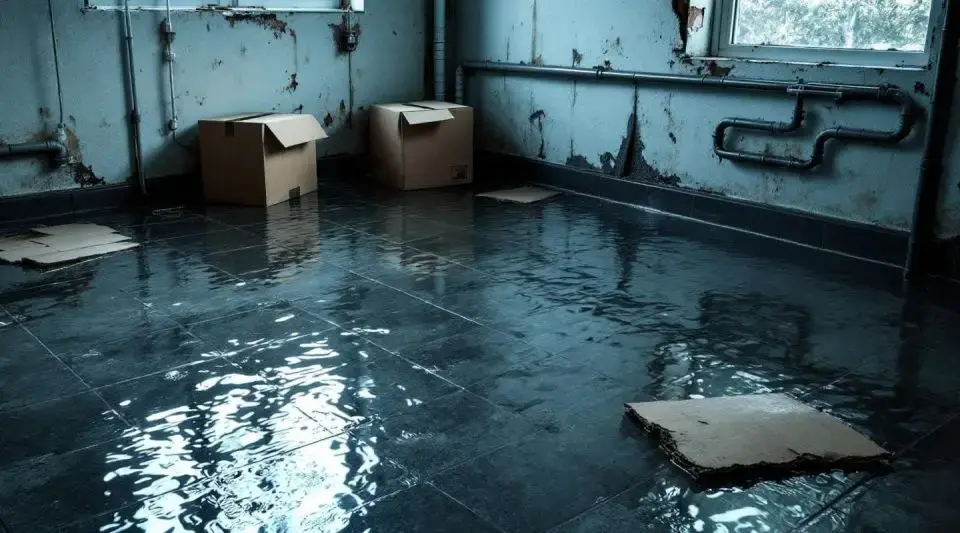
Basement Flood Cleanup
When a sudden spring storm overwhelms the municipal storm sewers in Omaha, a dry basement can turn into a pool of standing water in minutes.
View Service
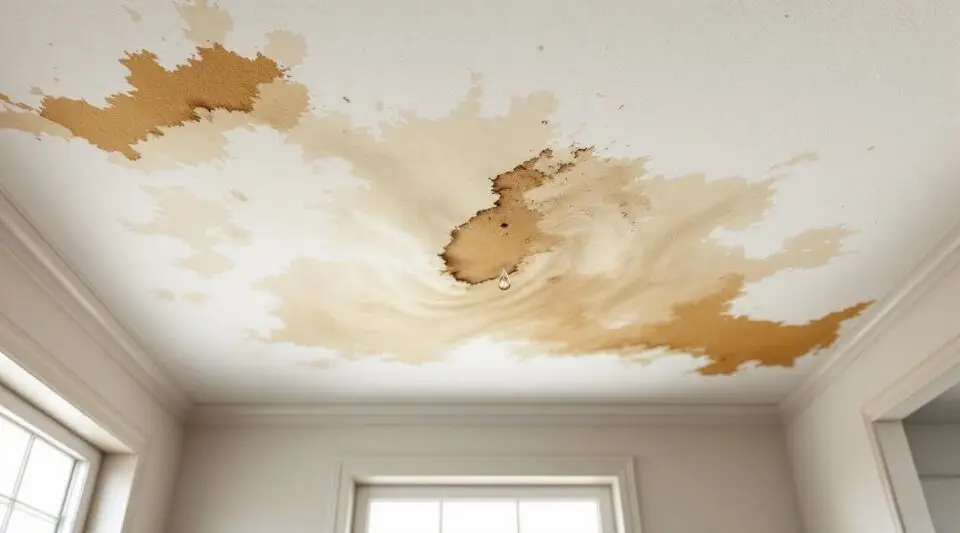
Ceiling Water Damage Repair
Discovering a sagging or stained ceiling can be incredibly stressful for any homeowner, but you don't have to face the cleanup alone.
View Service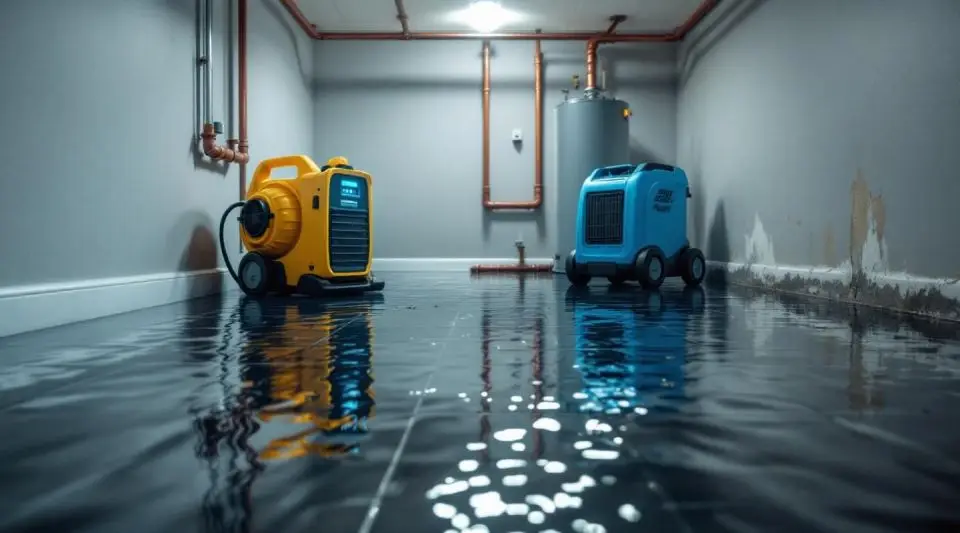
Emergency Water Damage Repair
When a pipe bursts in the dead of a freezing January night or a sudden spring storm overwhelms your sump pump, water doesn't just sit on the surface.
View Service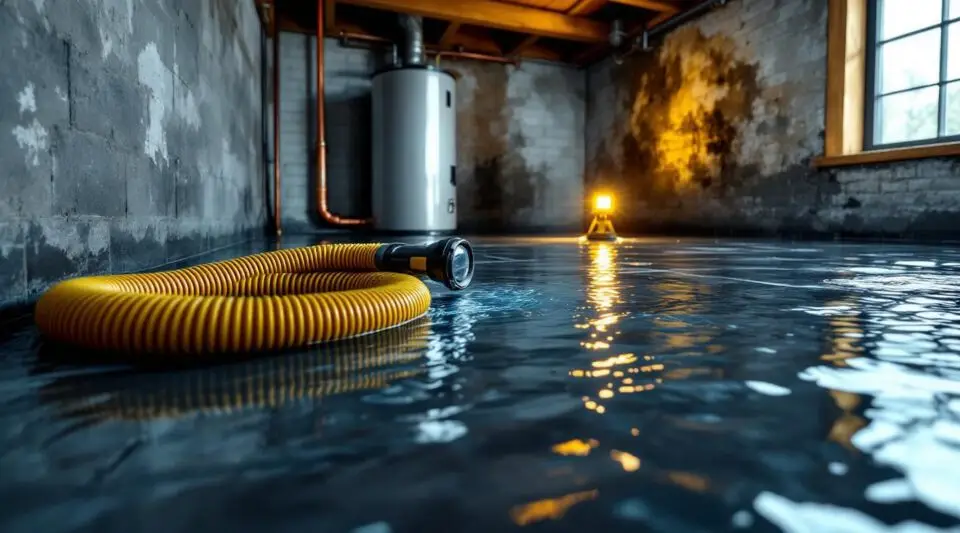
Home Water Removal Services
When a heavy summer storm overloads your sump pump in Dundee or a frozen pipe bursts during a brutal January cold snap, standing water doesn't wait for a convenient time.
View Service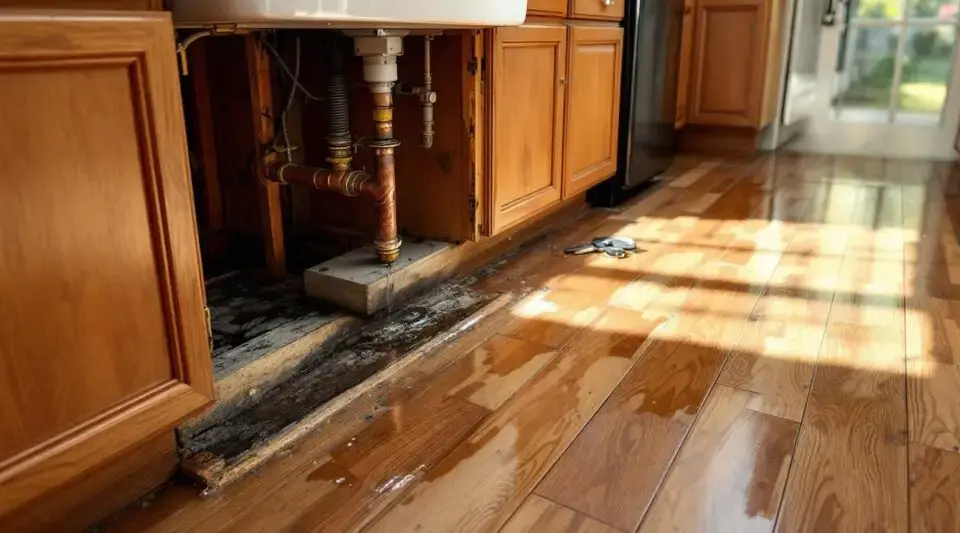
Sewage Backup Cleanup
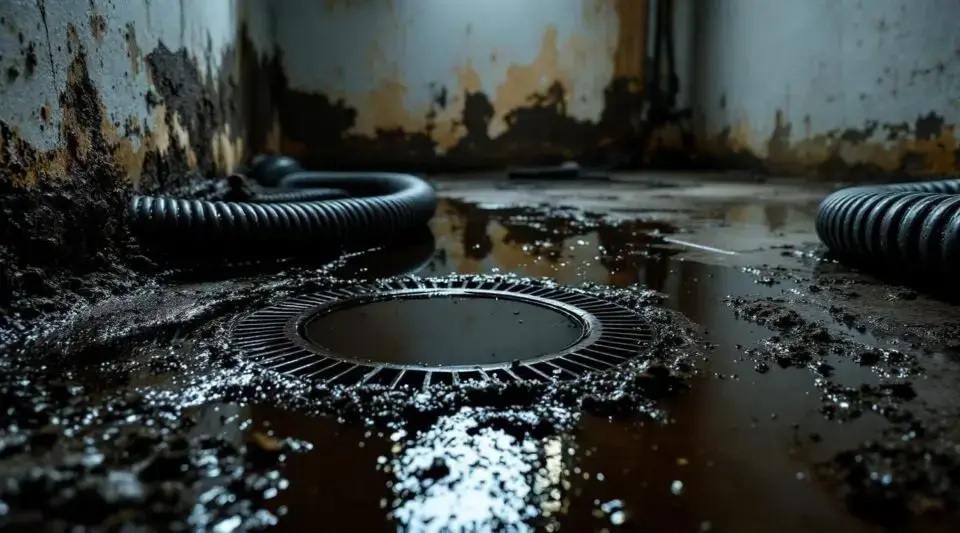
When heavy rains hit older Omaha neighborhoods like Dundee or Benson, the city's combined sewer system can quickly become overwhelmed.
View ServiceLet's Get the Water Out of Your Omaha Home Before Mold Takes Over
Water moves fast, soaking through carpet pad and deep into subfloors within minutes. If your basement is holding water or a pipe just burst, waiting even a few hours allows mold spores to take hold and ruins salvageable drywall. Our experienced technicians are ready to deploy immediately with high-capacity water extraction pumps and commercial dehumidifiers to stabilize your home.
We don't guess when it comes to dry; we use thermal imaging and moisture mapping to track every drop of hidden moisture behind your baseboards. Call Kedor Restorations right now to get an honest assessment and protect your property from long-term structural rot.
What They Say About Us:
The team arrived quickly at our home near Lindenwood Park to handle the basement flooding and coordinate directly with our insurance adjuster. They used professional drying equipment to ensure every corner was moisture-free and safe from potential mold growth.
Norma
Expert Residential Flood Restoration After Our Sump Pump FailureAfter discovering a hidden leak in our kitchen, these professionals handled the entire drying process with impressive speed and attention to detail. They made sure our home near West Acres was completely dry and free of mold before finishing the job.
Stacy
Professional Residential Flood Restoration for Kitchen Sink Leak CleanupThe crew reached our North Omaha residence within an hour of the pipe bursting to begin removing soaked carpets and treating the area. They were incredibly efficient and took the time to explain each step of the restoration process to us.
Susan
Efficient Residential Flood Restoration Following a Sudden Burst PipeWhen we noticed a musty smell in our basement, the staff quickly located the hidden mold and performed a complete cleanup. They were very respectful of our property and left the area near the Red River perfectly clean.
Tina
Thorough Mold Remediation and Residential Flood Restoration ServicesTheir restoration team responded immediately to our washing machine mishap and successfully prevented any mold from forming in our laundry room. The speed and skill they demonstrated while working on our South Omaha home really helped put our minds at ease.
Ida
Rapid Residential Flood Restoration for a Washing Machine Overflow