
Burst Pipe Water Damage Omaha, NE
Immediate Water Extraction & Structural Drying When Winter Temperatures Strike Your Plumbing
Omaha winters do not play nice with residential plumbing. When temperatures plunge below zero between January and March, water trapped inside uninsulated exterior walls or drafty crawl spaces freezes and expands. This pressure inevitably leads to a sudden pipe freeze rupture. Once the ice thaws, hundreds of gallons of category 1 water can pour into your living areas in a matter of minutes. This isn't a slow leak you can ignore; it is an immediate emergency that demands rapid water extraction before structural materials absorb the deluge.
Within hours of a burst, drywall saturation begins to weaken your walls, and subfloor delamination can ruin the structural integrity of your floors. Our team at Kedor Restorations doesn't just pull up the standing water and hope for the best. We use advanced thermal imaging to track hidden moisture pathways behind your baseboards and inside wall cavities. By combining this with precise moisture mapping, our experienced technicians can pinpoint exactly where the water has traveled without tearing down dry materials unnecessarily.
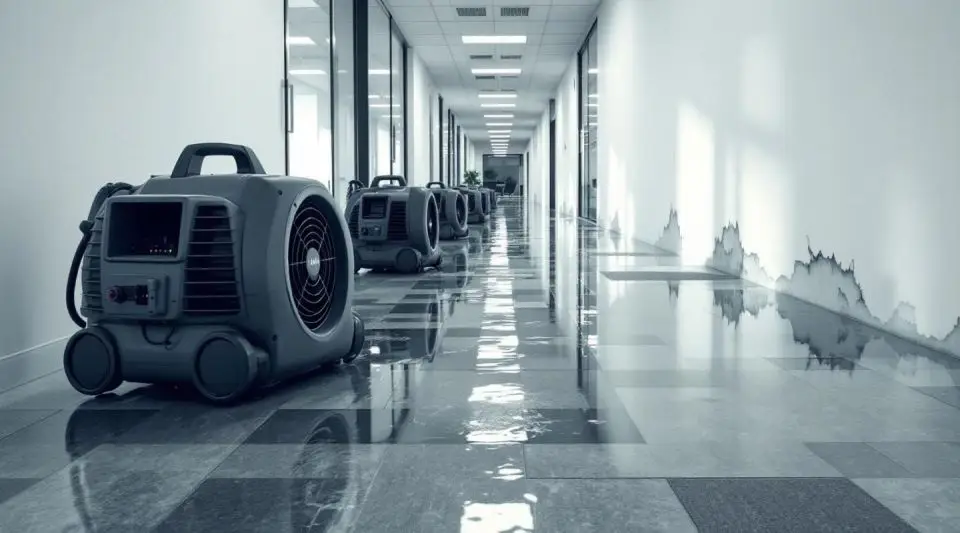
True recovery requires scientific drying, not just fans. We follow the strict IICRC S500 standard to restore your home safely. This means calculating the exact air mover placement needed to promote evaporation and running a heavy-duty desiccant dehumidifier to pull moisture out of the air. We take daily moisture meter readings to document the drying progress. This rigorous approach prevents secondary water damage, such as wood rot and mold, from taking hold in your home.
Dealing with the aftermath of a flooded room is stressful enough without worrying about insurance. We make the process straightforward by providing detailed insurance claim documentation, including psychrometric logs and moisture readings, directly to your adjuster. Whether you live in an older mid-century ranch home in Benson or a newer build in West Omaha, our local crew responds quickly to stabilize your property and protect your investment.
Our licensed operators handle burst pipe water damage with upfront pricing, fully insured equipment, and 24/7 availability throughout Omaha, NE.
Burst Pipe Water Damage Omaha, NE
Why Fast, Structured Drying Saves Your Omaha Home From Ruin
When a pipe freeze rupture happens during a brutal Omaha winter freeze, hundreds of gallons of category 1 water can saturate your property in minutes. You don't just need the standing water vacuumed up. You must stop drywall saturation and prevent subfloor delamination before they permanently ruin your home's structural framing. By bringing in our team of certified technicians immediately, you stop the migration of moisture before it ruins expensive finishes. We use thermal imaging to find the exact path the water took through your walls.
We don't guess when a room is dry. We rely on daily moisture meter readings and follow the strict IICRC S500 standard to guide our structural drying process. Our crew sets up strategic air mover placement and runs commercial desiccant dehumidifiers to pull deep moisture out of framing timbers. This disciplined approach prevents secondary water damage like warped hardwood floors, sagging ceilings, and musty odors. You get a fully documented, verifiable dry standard that keeps your family safe and provides the exact evidence your insurance adjuster needs.
-
PREVENTING MOLD GROWTH — Rapid structural drying stops mold spores from colonizing wet drywall and subfloors within the critical 24-to-48-hour window.
-
SAVING HARDWOOD FLOORS — Specialized floor drying mat systems draw moisture out of wood planks to prevent cupping and avoid costly replacement.
-
ACCURATE MOISTURE MAPPING — Thermal imaging cameras locate hidden water pockets inside wall cavities without tearing down undamaged plaster or drywall.
-
INSURANCE CLAIM DOCUMENTATION — We provide comprehensive psychrometric drying logs and moisture readings that match exactly what adjusters require to approve claims.
-
STRUCTURAL INTEGRITY PRESERVATION — Controlled dehumidification prevents subfloor delamination and keeps your home's load-bearing wooden studs from rotting.
Burst Pipe Water Damage Omaha, NE
Why homeowners in Omaha trust Kedor Restorations for Burst Pipe Water Damage
When a pipe freeze rupture happens during a brutal Nebraska winter, you cannot afford to wait for a national franchise to dispatch a crew from three counties away. Kedor Restorations is locally owned and operated right here in Omaha. We understand how the local freeze-thaw cycles impact older homes in neighborhoods like Benson or Dundee, where copper and galvanized lines are prone to splitting. Our team is trained to respond immediately, bringing specialized moisture mapping and thermal imaging tools directly to your door to stop water from spreading before it ruins your subfloor.
Unlike general contractors or basic break-fix handymen who might just suck up the standing water and call it a day, our experienced technicians hold advanced certifications in structural drying. We strictly follow the IICRC S500 standard for professional water damage restoration. This means we do not guess when your home is dry. We use precise moisture meter readings and strategic air mover placement to dry out drywall saturation and prevent subfloor delamination, protecting your property from long-term secondary water damage.
We also know that dealing with homeowners insurance after a disaster is incredibly stressful. Kedor Restorations does not leave you to figure it out alone. We document every step of the drying process, providing detailed psychrometric logs and clear insurance claim documentation that your adjuster needs. We work directly with your carrier to ensure the scope of work is fully understood, saving you from administrative headaches during a chaotic time.
LOCALLY OWNED & OPERATED
Dispatchers and drivers who know your community.
GPS-TRACKED FLEET
Real-time ETAs and the closest available truck.
LICENSED PROFESSIONALS
Fully insured operators trained for safe recovery.
UPFRONT PRICING: Clear quotes before our truck rolls
no surprise fees.
Burst Pipe Water Damage Omaha, NE
Burst Pipe Water Damage FAQs
Burst Pipe Water Damage Omaha, NE
Burst Pipe Water Damage Restoration
When a pipe freeze rupture occurs during a bitter Omaha winter, the initial burst is only the beginning of your problems. Within hours, thousands of gallons of category 1 water can saturate your home's framing, leading to rapid drywall saturation and eventual subfloor delamination. If you leave this standing water alone, it quickly migrates behind baseboards and deep into structural cavities where simple airflow cannot reach. Our team uses advanced thermal imaging to track this hidden migration, ensuring we do not miss a single pocket of moisture.
Delaying professional water extraction by even twenty-four hours invites secondary water damage that is far more expensive to remediate than the initial burst. Wood warps. Drywall crumbles. Mold spores, which only need 24 to 48 hours of moisture to colonize, will take hold inside your wall cavities. By bringing in experienced technicians who follow the strict IICRC S500 standard, you stop this progression in its tracks. We combine strategic air mover placement with a heavy-duty desiccant dehumidifier to pull deep moisture out of dense materials before structural rot can set in.
There is also the financial side of a home emergency. Insurance adjusters require meticulous, objective proof of drying before they approve payouts. If you try to dry things out with household fans, you will lack the psychrometric drying documentation and daily moisture meter readings needed to prove the property was returned to dry standards. We handle all the insurance claim documentation from day one, mapping out the wet boundaries so your carrier sees exactly what was affected and how it was saved.
Our Omaha Water Damage Restoration Services
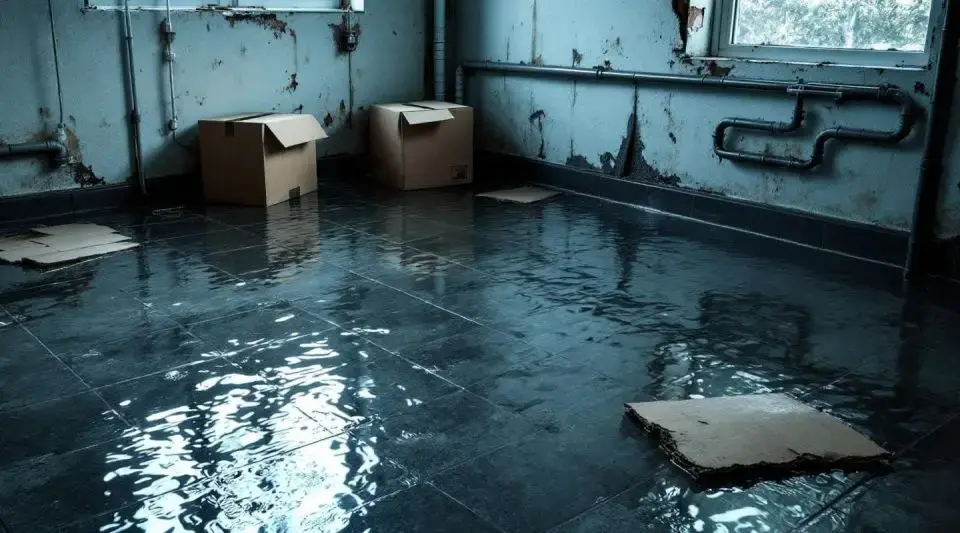
Basement Flood Cleanup
When a sudden spring storm overwhelms the municipal storm sewers in Omaha, a dry basement can turn into a pool of standing water in minutes.
View Service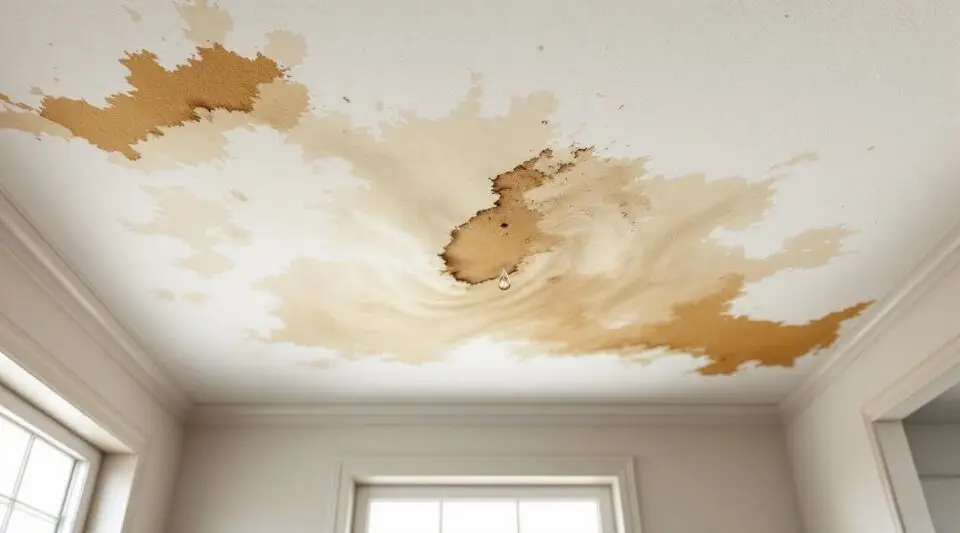
Ceiling Water Damage Repair
Discovering a sagging or stained ceiling can be incredibly stressful for any homeowner, but you don't have to face the cleanup alone.
View Service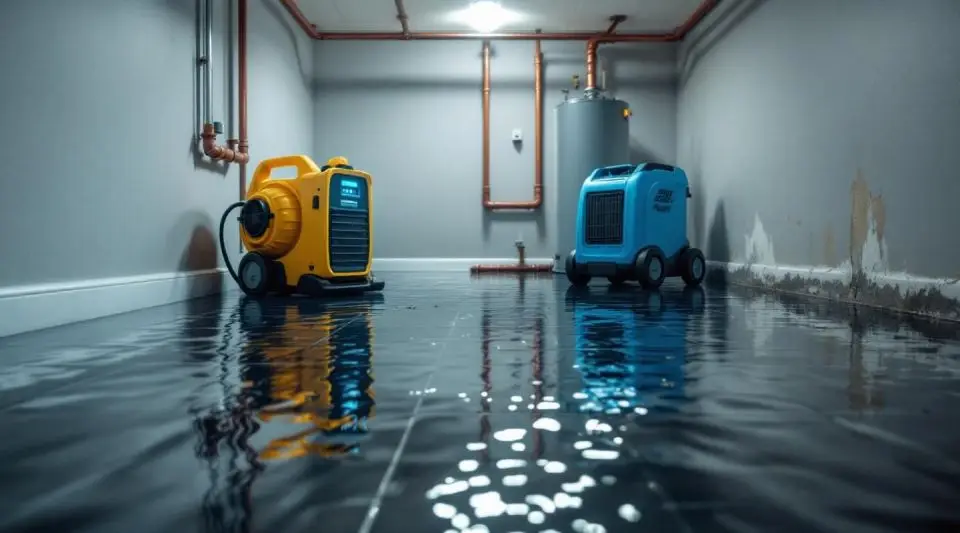
Emergency Water Damage Repair
When a pipe bursts in the dead of a freezing January night or a sudden spring storm overwhelms your sump pump, water doesn't just sit on the surface.
View Service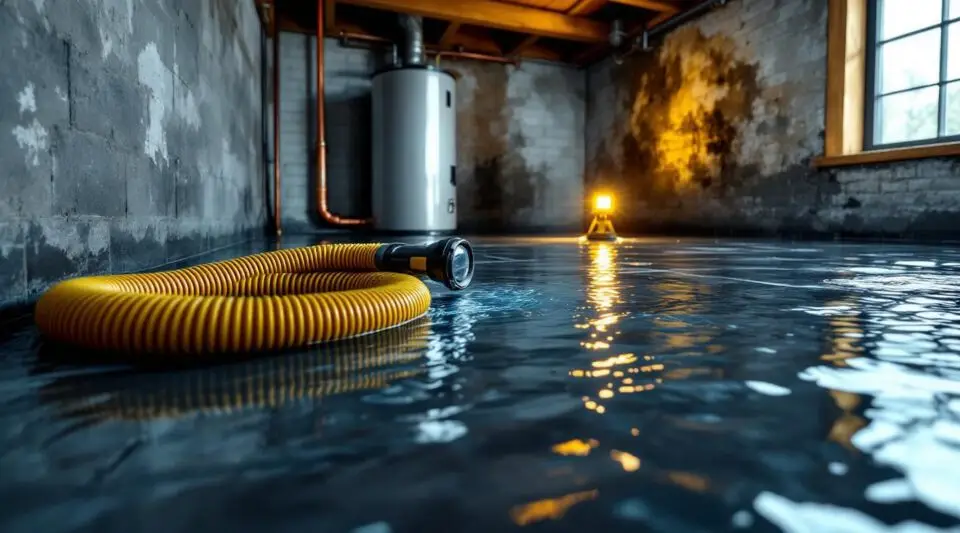
Home Water Removal Services
When a heavy summer storm overloads your sump pump in Dundee or a frozen pipe bursts during a brutal January cold snap, standing water doesn't wait for a convenient time.
View Service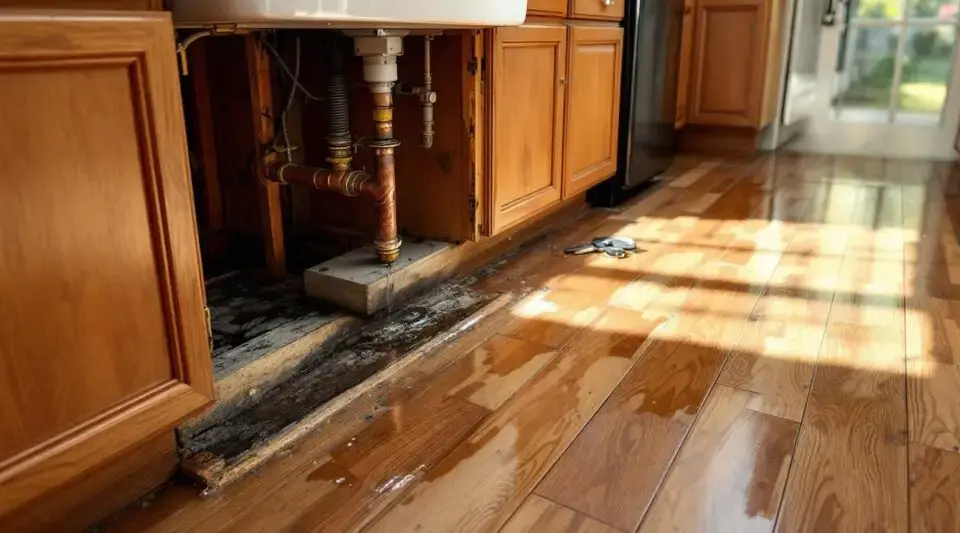
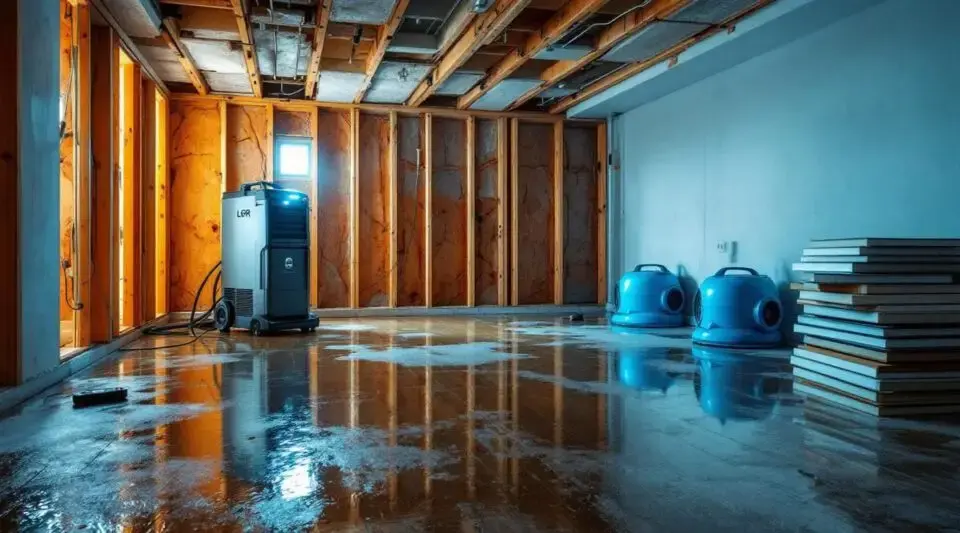
Residential Flood Restoration
When heavy spring thunderstorms roll through the Papillion Creek watershed or a sudden winter freeze bursts a pipe in your crawl space, floodwaters don't wait for a convenient time.
View Service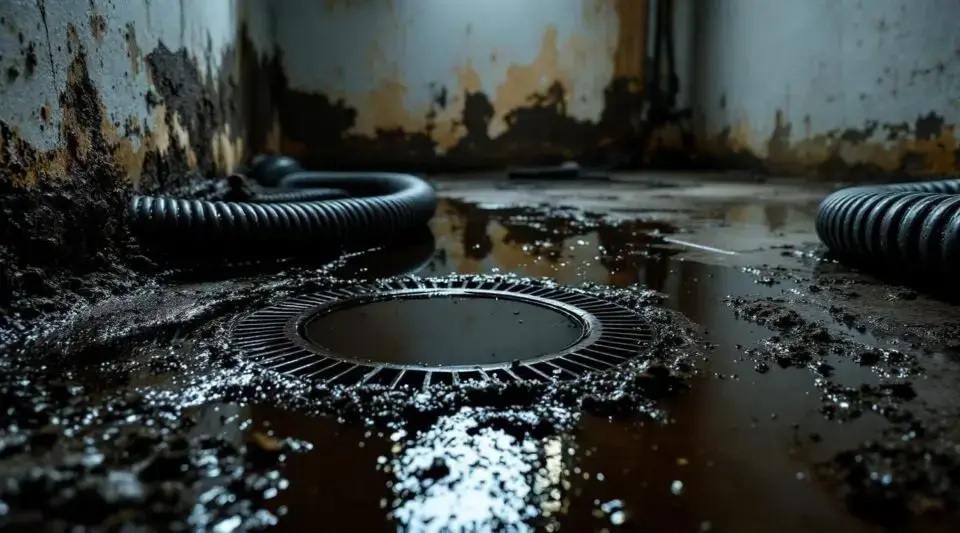
Sewage Backup Cleanup
When heavy rains hit older Omaha neighborhoods like Dundee or Benson, the city's combined sewer system can quickly become overwhelmed.
View ServiceLet's Dry Out Your Omaha Home Before Hidden Damage Takes Hold
When a pipe freeze rupture happens, every single minute the standing water sits increases the risk of deep drywall saturation and subfloor delamination. You do not have to navigate this stressful mess alone. Our experienced technicians are ready to dispatch immediately across Omaha, equipped with advanced moisture mapping tools and high-capacity water extraction gear to protect your structure.
We handle the entire recovery process, from precise air mover placement to detailed insurance claim documentation. Call us now to get a dedicated local crew on the way to stop secondary water damage in its tracks.
What They Say About Us:
The team discovered mold behind our basement drywall near Island Park and removed every trace of it. They were incredibly polite throughout the process and left the entire area spotless when they finished.
Tina
Expert Mold Remediation and Burst Pipe Water Damage RepairAfter a pipe burst in our Southgate basement, the crew arrived within an hour to begin the extraction process. They efficiently removed the soaked carpeting and explained every step of the drying and mold prevention plan.
Susan
Fast Response for Burst Pipe Water Damage in OmahaWhen my washing machine overflowed near West Acres, these experts arrived quickly to extract all the standing water. Their speed and skill in preventing mold growth really helped me stay calm during the restoration.
Ida
Professional Cleanup After Burst Pipe Water Damage IncidentsThis responsive team handled the cleanup of a serious kitchen leak near the Red River with total professionalism. They performed a deep mold check and ensured every surface was completely dry before completing the job.
Stacy
Thorough Drying and Burst Pipe Water Damage RestorationWhen our sump pump failed in Osgood, the technicians arrived immediately with industrial dehumidifiers to save our basement. They were honest about the process and made everything easier by working directly with our insurance adjuster.
Norma
Reliable Burst Pipe Water Damage and Sump Pump Repair