
Retail Store Flood Recovery Omaha, NE
Fast-Response Commercial Drying to Minimize Retail Downtime
When a water main breaks in Midtown Omaha or a sudden spring storm overwhelms your storefront's storm drains, every minute your doors stay locked represents lost revenue that you can never recover. We understand that retail flood recovery is not just about vacuuming up water; it is a race against the clock to protect your inventory, your fixtures, and your bottom line. Our crew responds immediately with commercial water extraction equipment designed to pull gallons of water out of high-traffic retail spaces before it ruins your flooring substrate, aiding in critical business interruption mitigation.
Hidden moisture is the quiet enemy of any retail establishment. Our experienced technicians use advanced thermal imaging moisture scans and subfloor moisture mapping to track water migration beneath luxury vinyl tile, polished concrete, and carpet tiles. Technicians do not guess where the water went. By identifying the exact boundaries of the intrusion, Kedor Restorations can deploy targeted desiccant dehumidification and structural cavity drying systems, focusing efforts exactly where they are needed to avoid unnecessary, costly demolition of custom display fixtures.
Handling retail inventory salvage requires a careful, systematic approach. Affected stock is categorized immediately, separating salvageable items for specialized merchandise drying from materials that require immediate sewage-contaminated stock disposal under local sanitation codes. Our team provides the detailed category loss documentation and itemized inventory lists required by corporate procurement and risk management departments. This level of detail simplifies insurance adjuster coordination, ensuring claims move forward without administrative delays while the physical space is prepared for reopening.
Our licensed operators handle retail store flood recovery with upfront pricing, fully insured equipment, and 24/7 availability throughout Omaha, NE.
Retail Store Flood Recovery Omaha, NE
Protecting Your Inventory, Fixtures, and Bottom Line
When a water main breaks or a flash flood hits your storefront, every hour your doors remain locked represents lost revenue that you can never recover. Our primary focus is business interruption mitigation, which means we do not just pump out water; we systematically stabilize your indoor climate to protect your remaining assets. By deploying high-capacity desiccant dehumidification systems early, we pull deep-seated moisture out of drywall and structural framing before mold can take hold. This fast action keeps your physical structure intact and prevents a minor leak from turning into a weeks-long environmental remediation nightmare.
We know that retail spaces require a highly organized, careful approach. Our experienced technicians use precise subfloor moisture mapping and thermal imaging moisture scans to find hidden water behind display cases and beneath flooring substrates without ripping up salvageable materials. We carefully separate salvageable merchandise from contaminated stock, providing the meticulous category loss documentation your insurance adjuster needs to process your claim quickly. By coordinating directly with your insurance carrier, we take the administrative burden off your store managers so they can focus on getting your staff back to work.
-
Retail Inventory Salvage — We evaluate and dry affected stock using controlled environments to save high-value merchandise from total loss.
-
Display Fixture Restoration — Our team dries custom cabinetry, shelving, and display cases in place to avoid expensive replacement costs.
-
Subfloor Moisture Mapping — We track hidden water migration beneath polished concrete or luxury vinyl tile to prevent long-term warping.
-
Insurance Adjuster Coordination — We deliver detailed, line-item loss documentation to streamline your commercial claim approval.
-
IICRC S500 Standards — Every step of our drying process adheres strictly to professional restoration guidelines for safe, defensible results.
Retail Store Flood Recovery Omaha, NE
Why retailers in Omaha trust Kedor Restorations for Retail Store Flood Recovery
When a water main breaks or storm runoff floods your showroom, you do not need a generic residential carpet cleaner or a slow-moving national franchise that treats your business like a number. Kedor Restorations is a locally owned and operated commercial specialist built specifically for rapid retail recovery. We understand that every hour your doors are locked represents lost revenue that you can never recover. That is why we deploy dedicated teams of experienced technicians who are fully certified under the IICRC S500 standard for professional water damage restoration.
Our team does not guess where water is hiding. We use advanced thermal imaging moisture scans and subfloor moisture mapping to locate trapped water behind display fixtures and beneath flooring substrates. Unlike national chains with bloated administrative layers, we make decisions on the ground instantly. We coordinate directly with your insurance adjuster, providing detailed category loss documentation and transparent, itemized line-item invoicing that procurement teams and adjusters actually accept. When you choose Kedor Restorations, you get a licensed Nebraska contractor that owns its own fleet of high-capacity desiccant dehumidifiers and commercial water extraction units, ensuring your Omaha retail space is dried correctly, safely, and fast.
LOCALLY OWNED & OPERATED
Dispatchers and drivers who know your community.
GPS-TRACKED FLEET
Real-time ETAs and the closest available truck.
LICENSED PROFESSIONALS
Fully insured operators trained for safe recovery.
UPFRONT PRICING: Clear quotes before our truck rolls
no surprise fees.
Retail Store Flood Recovery Omaha, NE
Retail Flood Recovery FAQs
Retail Store Flood Recovery Omaha, NE
Omaha Commercial Flood Mitigation
Standing water in a retail store is a ticking clock against your revenue. In Omaha, whether you are dealing with a sudden winter pipe burst in Midtown's older commercial buildings or spring storm runoff flooding a slab-on-grade showroom, every hour of closure eats into your margins. Standard extraction isn't enough; you need deep experienced technicians who understand how water migrates through commercial spaces. Without rapid commercial water extraction, standing water quickly ruins flooring substrates, warps expensive display cases, and forces a prolonged shutdown that threatens your business survival. Our focus is immediate business interruption mitigation to get your doors open safely.
Protecting your stock requires a highly coordinated response. We don't just pump out water; we perform a thorough thermal imaging moisture scan to trace water pathways behind drywall and under luxury vinyl tile. This precision allows us to separate salvageable items from contaminated goods, facilitating efficient retail inventory salvage and merchandise drying before mold takes hold. If you face a sewage backup, we handle sewage-contaminated stock disposal safely under health guidelines, providing the detailed category loss documentation your insurance carrier requires to process claims without unnecessary delays.
True recovery means drying the invisible structural cavities. We use heavy-duty desiccant dehumidification setups to pull deep-seated moisture from concrete slabs and wall framing, adhering strictly to the IICRC S500 standard. This targeted structural cavity drying prevents secondary mold growth and avoids the massive expense of tearing out entire walls when focused drying would suffice. By managing the process from initial subfloor moisture mapping to direct insurance adjuster coordination, we protect both your physical property and your financial interests.
Our Omaha Water Damage Restoration Services
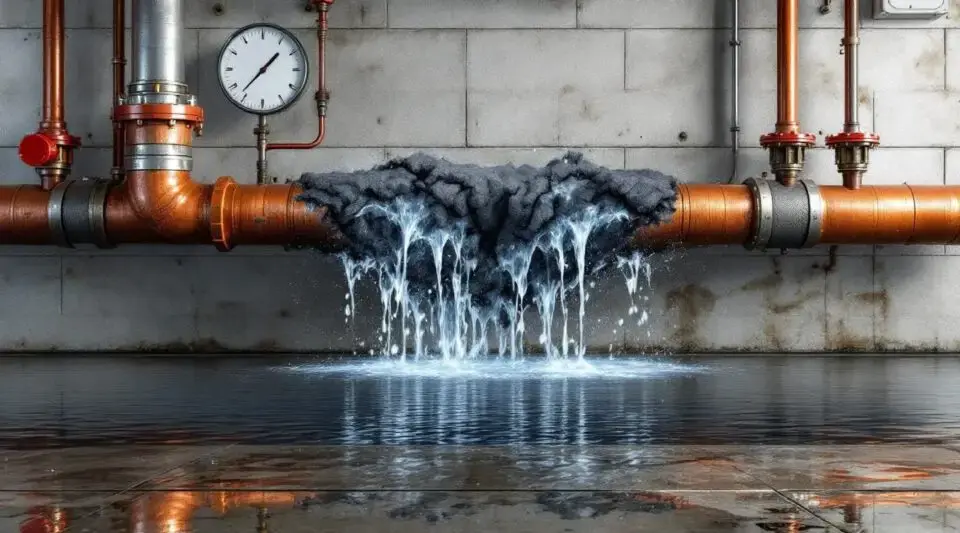
Commercial Pipe Burst Repair
When a pressurized water line ruptures inside a commercial facility, the clock immediately starts ticking against your building's structural integrity.
View Service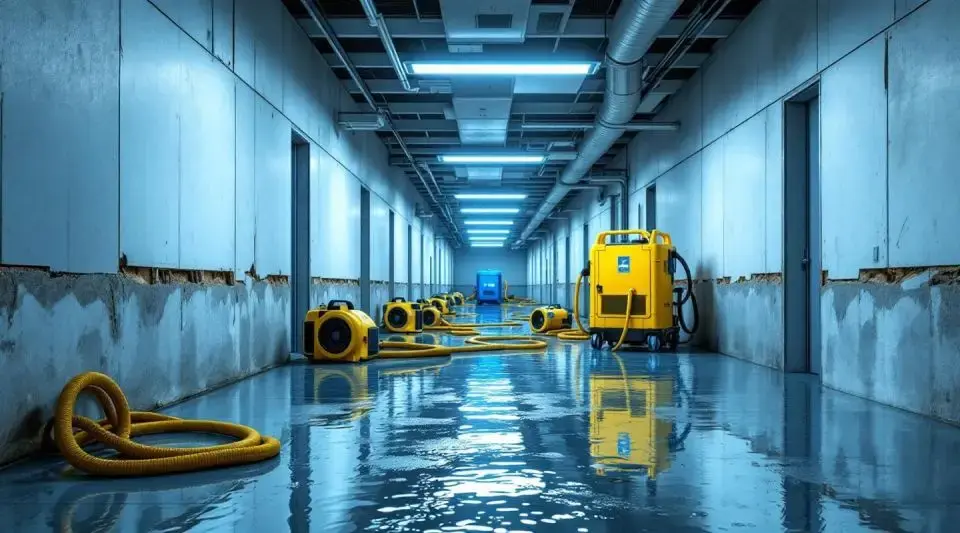
Commercial Water Damage Restoration
When water damage strikes your commercial facility, every hour of downtime impacts your bottom line.
View Service
Hotel Water Damage Restoration
When a water pipe bursts behind a guest room vanity or a vertical riser fails in a multi-story hotel, the clock doesn't just tick—it actively drains your daily occupancy revenue.
View Service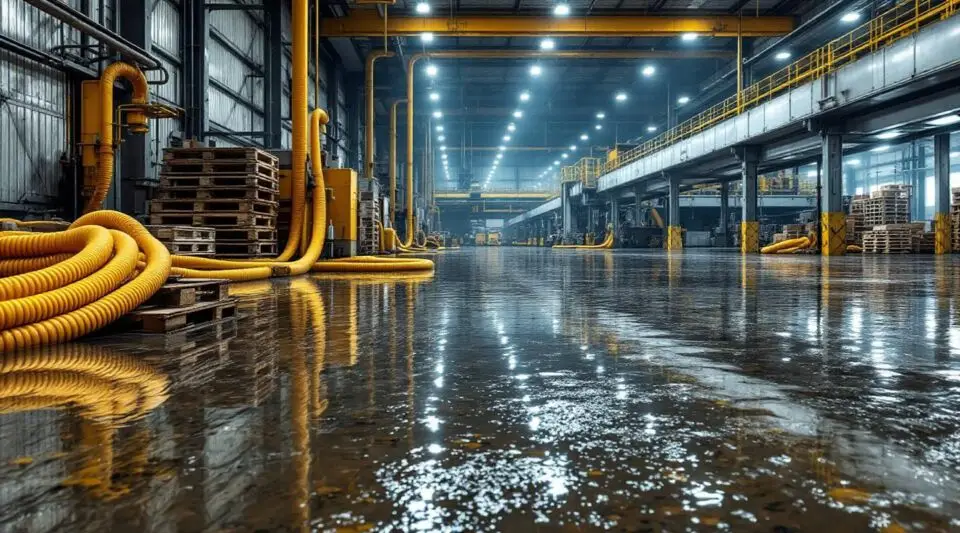
Industrial Flood Cleanup
When a water main ruptures or flash flooding from Papillion Creek breaches your loading dock, your facility cannot afford to wait.
View Service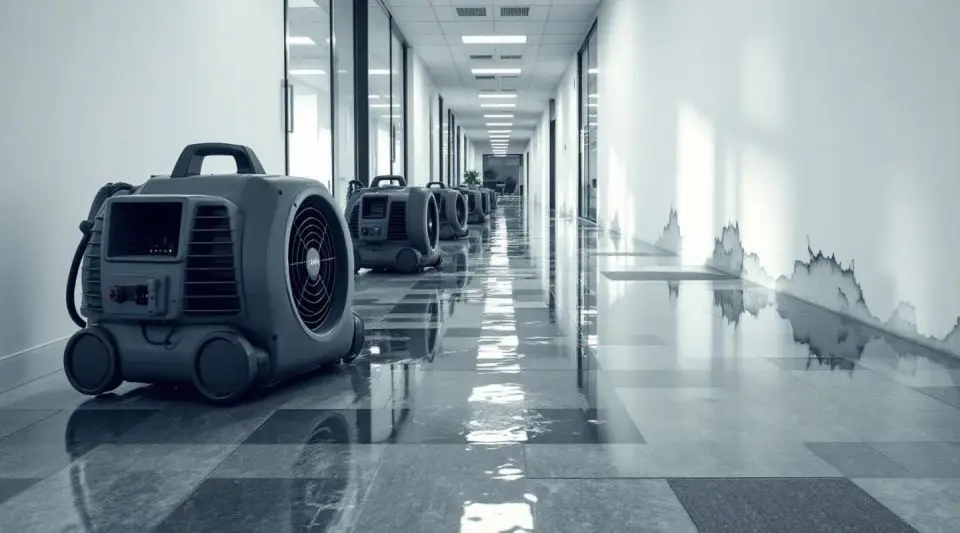
Office Building Flood Repair
A sudden water line break or a flash flood from heavy spring rains in Omaha can quickly overwhelm a commercial property.
View Service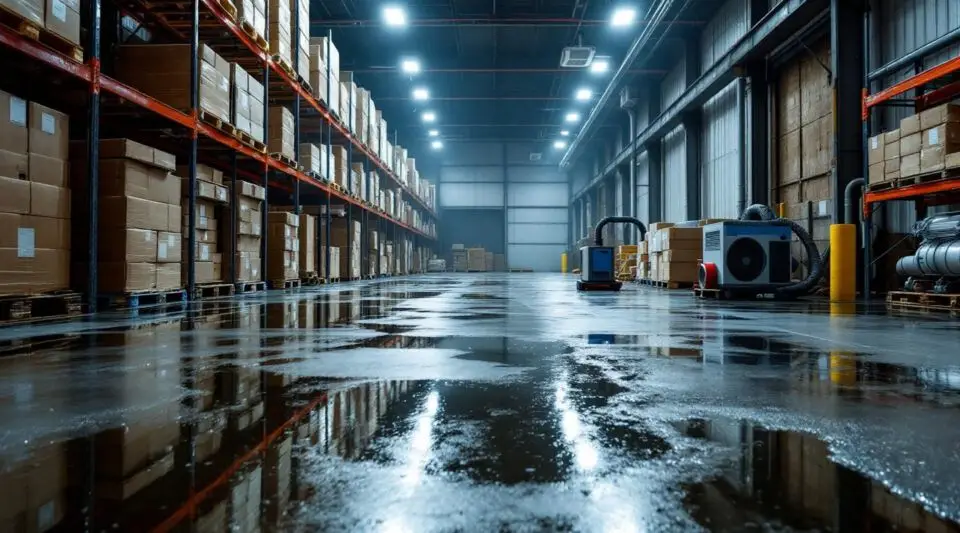
Warehouse Water Damage Cleanup
When water breaches an industrial facility in Omaha, the clock immediately starts ticking against your bottom line.
View Service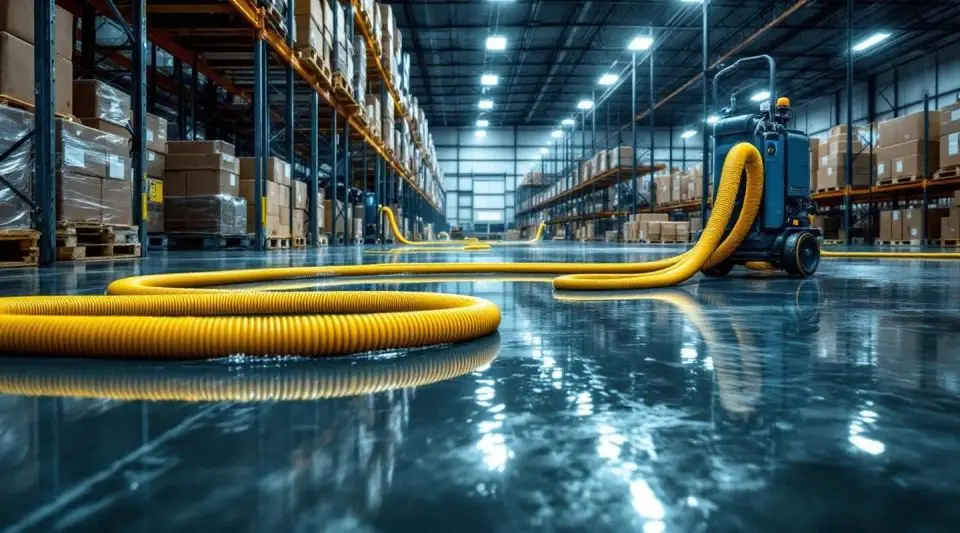
Warehouse Water Extraction
When a water main breaks or a severe Great Plains thunderstorm overwhelms your warehouse floor drains in Omaha, thousands of square feet of inventory can be ruined in minutes.
View ServiceLet’s Reopen Your Doors: Get Your Omaha Retail Space Dry and Safe Today
Every hour your sales floor sits empty is revenue you can never recoup. Our crew is ready to deploy high-capacity desiccant dehumidification and start commercial water extraction immediately, protecting your display fixtures and mapping hidden moisture before mold can take hold. Contact our team right now to get an IICRC-certified specialist on-site to coordinate directly with your insurance adjuster.
We do not just dry the floors; we help you salvage retail inventory and secure the detailed category loss documentation your carrier requires. Let us handle the heavy cleanup so you can focus on getting your staff and customers back inside.
What They Say About Us:
After discovering a musty smell near West Acres Mall, the team efficiently removed mold from behind our walls. They were incredibly professional throughout the process and left our space spotless after finishing the job.
Tina
Expert Retail Store Flood Recovery and Mold Remediation ServicesThe crew arrived at our Northport area location immediately to handle the standing water and coordinate directly with our insurance adjuster. Their use of industrial drying equipment prevented mold growth and restored our property to its original condition quickly.
Norma
Fast Retail Store Flood Recovery After a Sump Pump FailureWhen a pipe burst near the Red River, this team arrived within the hour to extract water and remove damaged carpeting. They explained every step of the drying process and took great care to ensure no mold would develop.
Susan
Rapid Response for Retail Store Flood Recovery and Pipe BurstsThis responsive team handled a serious leak near downtown Omaha by thoroughly drying the area and checking for hidden mold. They were extremely professional and made sure everything was completely moisture-free before completing the project.
Stacy
Professional Retail Store Flood Recovery for Hidden Water Leak DamageThe restoration team arrived quickly at our Southgate property to extract water and prevent any potential mold from forming. Their impressive speed and technical skill really helped put our minds at ease during a stressful situation.
Ida
Efficient Retail Store Flood Recovery and Water Extraction Services