
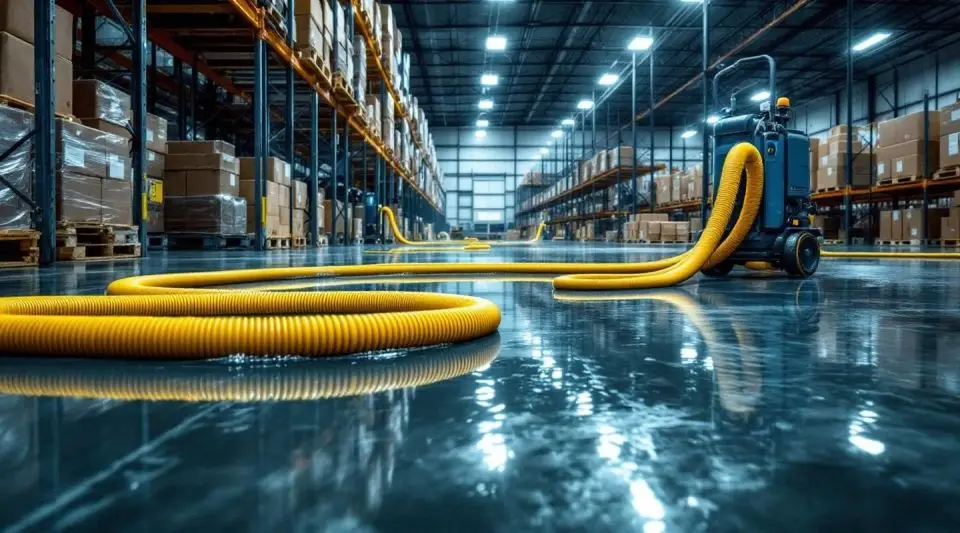
Office Building Flood Repair Omaha, NE
Minimize Business Interruption with Certified Commercial Water Extraction
A sudden water line break or a flash flood from heavy spring rains in Omaha can quickly overwhelm a commercial property. Water spreads rapidly across flat concrete floor plates, soaking through commercial carpet tiles and causing deep subfloor saturation. When this happens, you need more than a simple cleanup crew. Our team at Kedor Restorations responds immediately to halt the damage, focusing on rapid commercial water extraction to protect your building's structural integrity and prevent long-term mold issues.
We do not guess when it comes to structural drying. Our technicians use advanced moisture mapping and thermal imaging inspection to track hidden water behind vinyl wall coverings and under raised access flooring. If a pipe burst triggers a server room flood response, we isolate and protect your critical IT infrastructure first. By adhering strictly to the IICRC S500 standard, we ensure that every step of the cleanup—from managing suspended ceiling tile damage to deploying high-capacity desiccant dehumidification—is documented and executed to the highest professional standard.
We understand that facility managers face intense pressure from tenants and corporate stakeholders. A prolonged shutdown can lead to costly lease disputes and lost revenue, which is why business interruption mitigation is our top priority. Whether you are dealing with a category 3 water intrusion from a backed-up city sewer or a sudden building envelope breach during a severe Nebraska thunderstorm, we coordinate closely with your team. We establish containment zones, handle controlled demolition of ruined drywall, and optimize air mover placement to accelerate drying so you can keep your doors open.
Our licensed operators handle office building flood repair with upfront pricing, fully insured equipment, and 24/7 availability throughout Omaha, NE.
Office Building Flood Repair Omaha, NE
Protecting Your Assets, Tenants, and Bottom Line After a Water Loss
When a water main breaks or a severe spring storm causes a building envelope breach in your Omaha office building, the clock starts ticking against your property's structural integrity. We focus on rapid commercial water extraction and advanced moisture mapping to stop water from migrating into adjacent tenant suites. By using thermal imaging inspection tools, our technicians can pinpoint hidden pockets of moisture trapped behind drywall or deep within concrete subfloors before mold takes hold. This aggressive, targeted approach prevents minor leaks from turning into massive, building-wide shut-downs.
Our approach is built strictly around the IICRC S500 standard, ensuring every step of our structural drying process is scientifically monitored and documented. We deploy heavy-duty desiccant dehumidification systems and coordinate precise air mover placement to dry dense commercial materials that residential equipment simply cannot handle. If you are worried about tenant complaints, lease disputes, or costly business interruption, partnering with experienced technicians who understand the complexity of multi-story commercial layouts is the most reliable way to keep your doors open and your tenants safe.
-
Server Room Protection — We prioritize server room flood response to isolate moisture and protect critical IT infrastructure from humidity.
-
Minimized Business Interruption — We stage drying zones strategically so your tenants can continue daily operations safely.
-
Accurate Moisture Mapping — Thermal imaging detects hidden subfloor saturation and wall cavity moisture without destructive testing.
-
Mold Prevention Protocols — High-capacity desiccant dehumidification pulls deep moisture from concrete and dense commercial framing.
-
Insurance-Ready Documentation — We provide comprehensive moisture logs and Xactimate scoping to streamline your commercial claim.
Office Building Flood Repair Omaha, NE
Why Property Managers in Omaha Trust Kedor Restorations for Office Building Flood Repair
When a water main breaks or heavy spring rains push flash flooding through eastern Nebraska, national restoration franchises often dispatch generic, out-of-town crews who do not understand Omaha's unique commercial building stock. At Kedor Restorations, we are a locally owned and registered Nebraska contractor. We maintain a dedicated commercial response unit specifically trained to handle high-density office layouts, subfloor saturation, and suspended ceiling tile damage without disrupting your entire operation.
Our experienced technicians hold advanced certifications, including the IICRC S500 standard for professional water damage restoration and Applied Structural Drying (ASD). Unlike break-fix shops that lack the heavy-duty equipment required for large commercial floor plates, we deploy high-capacity desiccant dehumidification systems and thermal imaging inspection tools to track moisture hidden behind drywall and under commercial carpets.
We know that every hour your office building sits wet translates directly to lost tenant revenue and potential lease disputes. That is why Kedor Restorations guarantees a rapid on-site response and provides transparent, Xactimate-backed documentation to streamline your commercial insurance claim. We work directly with your adjusters and facility managers, ensuring a seamless recovery that gets your tenants back to work safely.
LOCALLY OWNED & OPERATED
Dispatchers and drivers who know your community.
GPS-TRACKED FLEET
Real-time ETAs and the closest available truck.
LICENSED PROFESSIONALS
Fully insured operators trained for safe recovery.
UPFRONT PRICING: Clear quotes before our truck rolls
no surprise fees.
Office Building Flood Repair Omaha, NE
Frequently Asked Questions About Office Flood Restoration
Office Building Flood Repair Omaha, NE
Omaha Commercial Flood Restoration
When a water pipe bursts or a heavy spring storm causes a building envelope breach in Omaha, the clock starts ticking against your commercial property. Water doesn't just sit on the surface; it quickly migrates, leading to deep subfloor saturation and warped concrete slabs. If you delay the recovery process, a simple clean-water spill can degrade into a hazardous category 3 water intrusion as it mixes with building contaminants. Our team of experienced technicians arrives quickly to execute commercial water extraction and a targeted server room flood response, protecting your expensive networking gear and preventing long-term structural decay before mold can take hold.
A proper recovery plan is about business interruption mitigation. You cannot afford to shut down an entire multi-tenant facility for weeks because of suspended ceiling tile damage or wet drywall. We use precise moisture mapping and thermal imaging inspection tools to find hidden water pockets behind commercial-grade vinyl wallcoverings. By strategically managing air mover placement and deploying desiccant dehumidification systems, we dry your building in layers. This targeted approach means we can often isolate the work zone, allowing your tenants to keep working in unaffected areas while we dry the rest.
Cutting corners on commercial drying always backfires when the insurance adjuster arrives or when musty odors trigger tenant complaints. We follow the strict IICRC S500 standard for professional water damage restoration, documenting every step with digital moisture logs. When controlled demolition is necessary—such as removing glue-down carpet or sodden insulation—we do it cleanly and systematically. This rigorous documentation ensures your commercial property insurance claim is backed by solid proof, protecting your budget from unexpected out-of-pocket expenses.
Our Omaha Water Damage Restoration Services
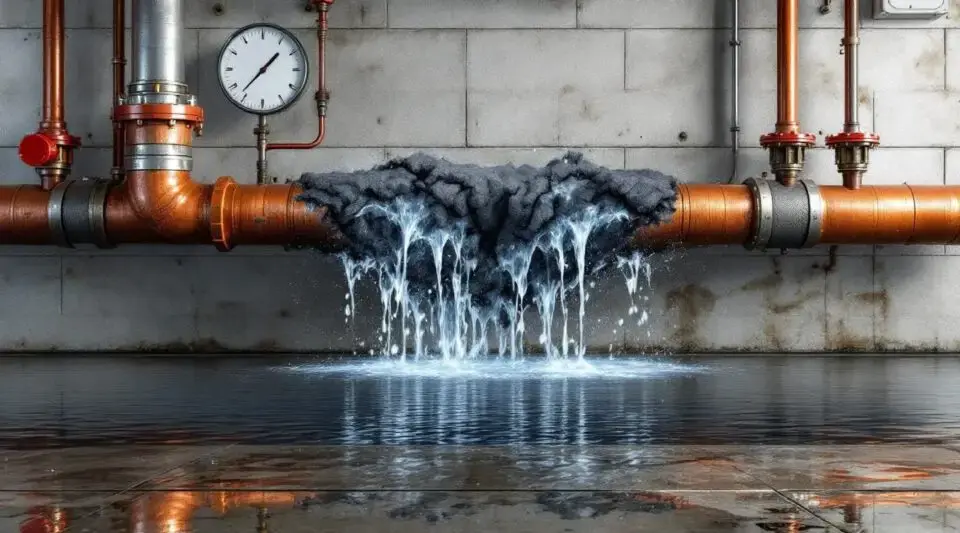
Commercial Pipe Burst Repair
When a pressurized water line ruptures inside a commercial facility, the clock immediately starts ticking against your building's structural integrity.
View Service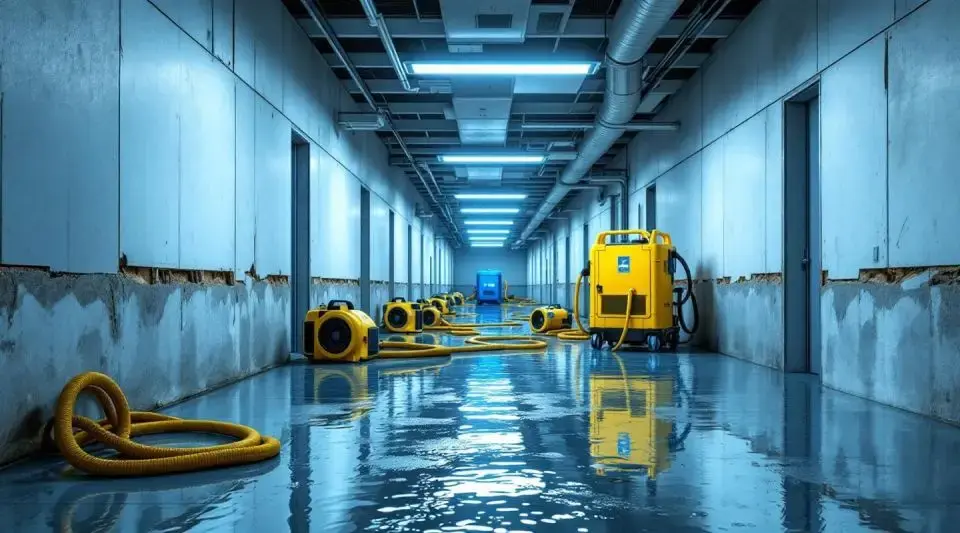
Commercial Water Damage Restoration
When water damage strikes your commercial facility, every hour of downtime impacts your bottom line.
View Service
Hotel Water Damage Restoration
When a water pipe bursts behind a guest room vanity or a vertical riser fails in a multi-story hotel, the clock doesn't just tick—it actively drains your daily occupancy revenue.
View Service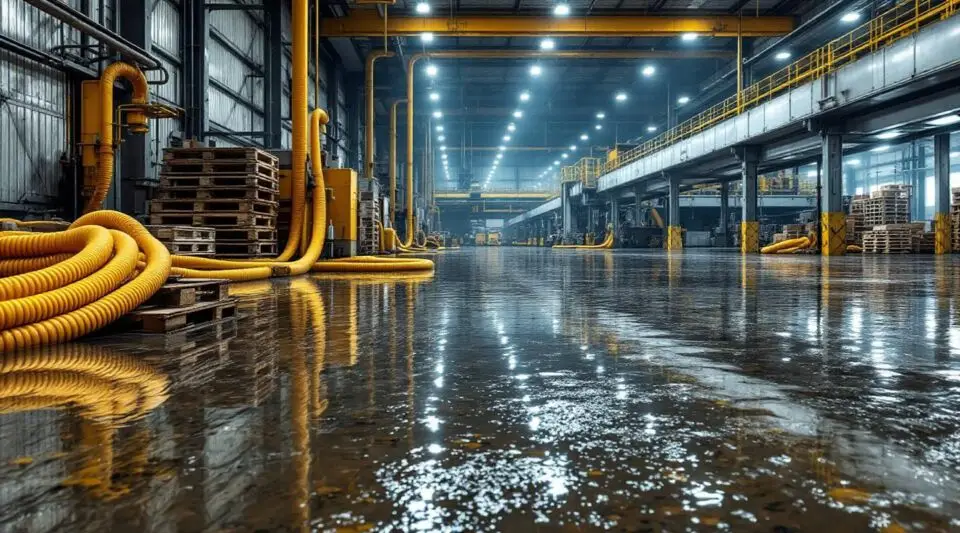
Industrial Flood Cleanup
When a water main ruptures or flash flooding from Papillion Creek breaches your loading dock, your facility cannot afford to wait.
View Service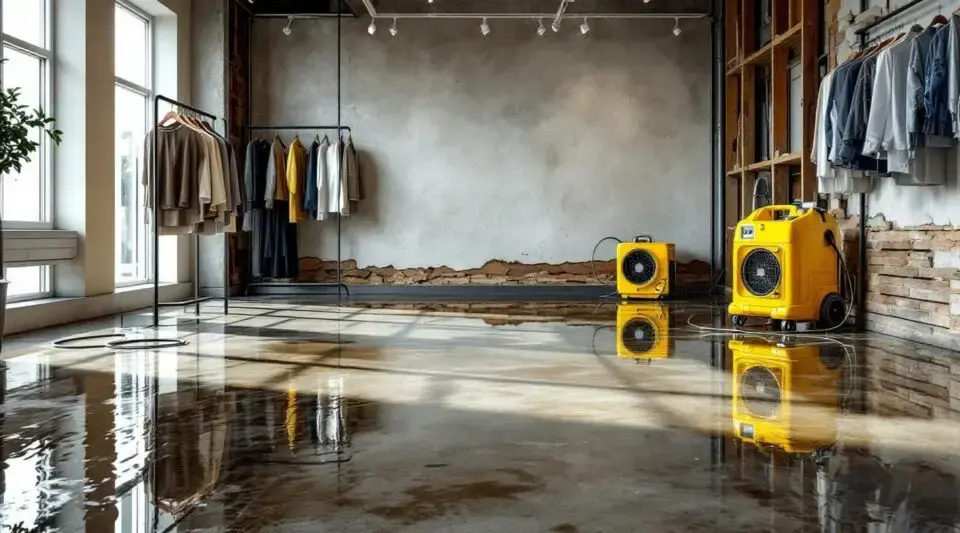
Retail Store Flood Recovery
When a water main breaks in Midtown Omaha or a sudden spring storm overwhelms your storefront's storm drains, every minute your doors stay locked represents lost revenue that you can never recover.
View Service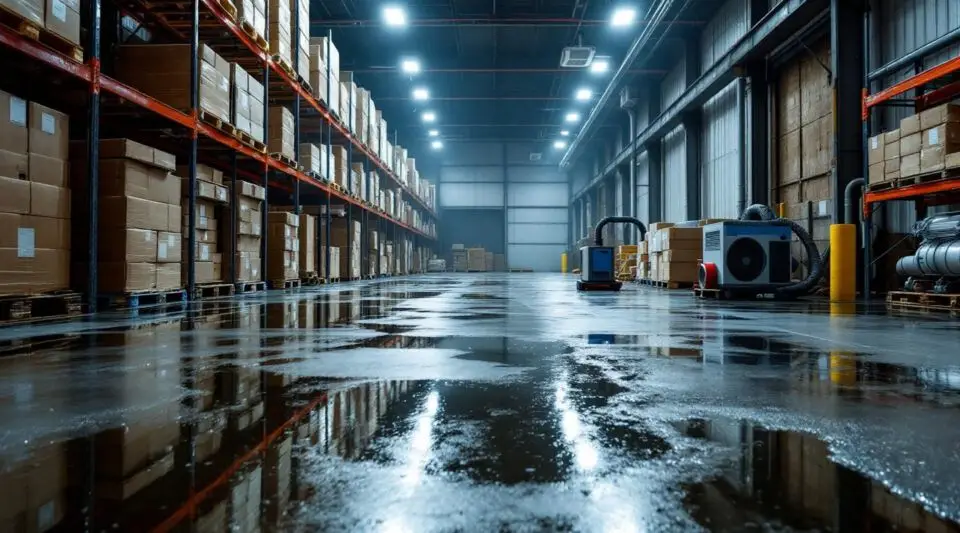
Warehouse Water Damage Cleanup
When water breaches an industrial facility in Omaha, the clock immediately starts ticking against your bottom line.
View Service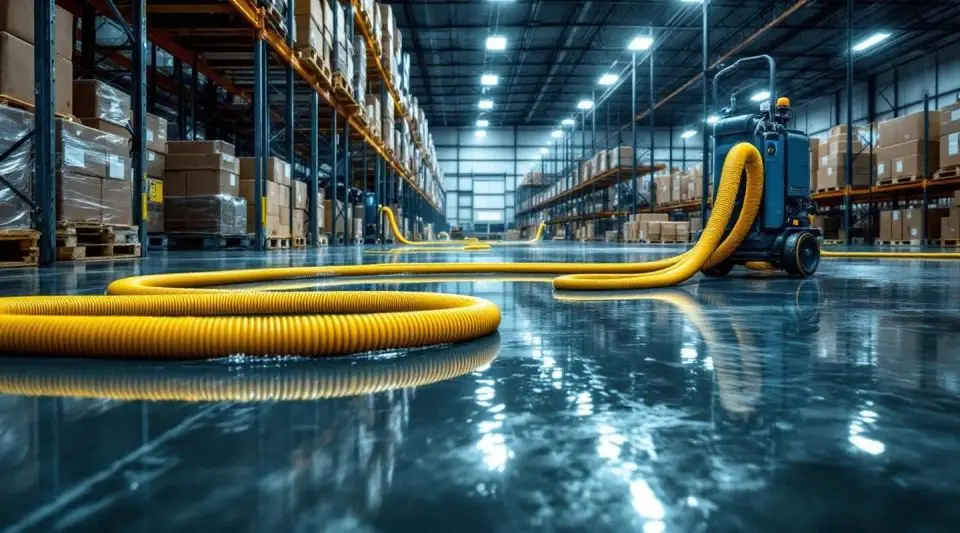
Warehouse Water Extraction
When a water main breaks or a severe Great Plains thunderstorm overwhelms your warehouse floor drains in Omaha, thousands of square feet of inventory can be ruined in minutes.
View ServiceLet's Get Your Omaha Office Back to Business
When water breaches your building envelope or a pipe bursts over a weekend, every hour of delay multiplies your business interruption costs. Our experienced technicians are ready to deploy heavy-duty commercial water extraction equipment and desiccant dehumidifiers to stabilize your property immediately.
We work directly with your insurance adjuster, providing detailed moisture mapping and Xactimate scoping to ensure your claim is processed without unnecessary disputes. Let's get our crew on-site to protect your subfloors, server rooms, and structural integrity.
What They Say About Us:
The restoration team arrived at our office near West Acres Mall quickly to handle the overflow and prevent mold growth. Their speed and professional skill really helped me relax during a very stressful situation.
Ida
Expert Office Building Flood Repair and Water Removal ServicesAfter discovering a slow leak that caused significant damage, this responsive team handled the entire drying process with total professionalism. They meticulously checked for mold near the Red River district to ensure our workspace was completely dry before finishing the job.
Stacy
Professional Office Building Flood Repair and Drying Process CleanupWhen our equipment failed and flooded the lower level, the crew arrived at our Osgood location immediately with industrial dehumidifiers to dry out the space. They were incredibly honest and worked directly with our insurance adjuster to get our Omaha property back to normal as quickly as possible.
Norma
Reliable Office Building Flood Repair and Insurance Claim AssistanceI called after a pipe burst and was impressed when the technicians reached our building in North Omaha within the hour. They efficiently removed the soaked flooring and treated the entire area to prevent any future mold issues.
Susan
Fast Response for Office Building Flood Repair and RestorationThe staff identified hidden mold behind the drywall near Downtown Omaha and removed every trace of it to eliminate the musty odor. They were very polite throughout the process and did a fantastic job cleaning up the workspace before they left.
Tina
Thorough Mold Remediation and Office Building Flood Repair Cleanup