- (402) 532-4051
- 6214 Q Street, Omaha, NE 68117

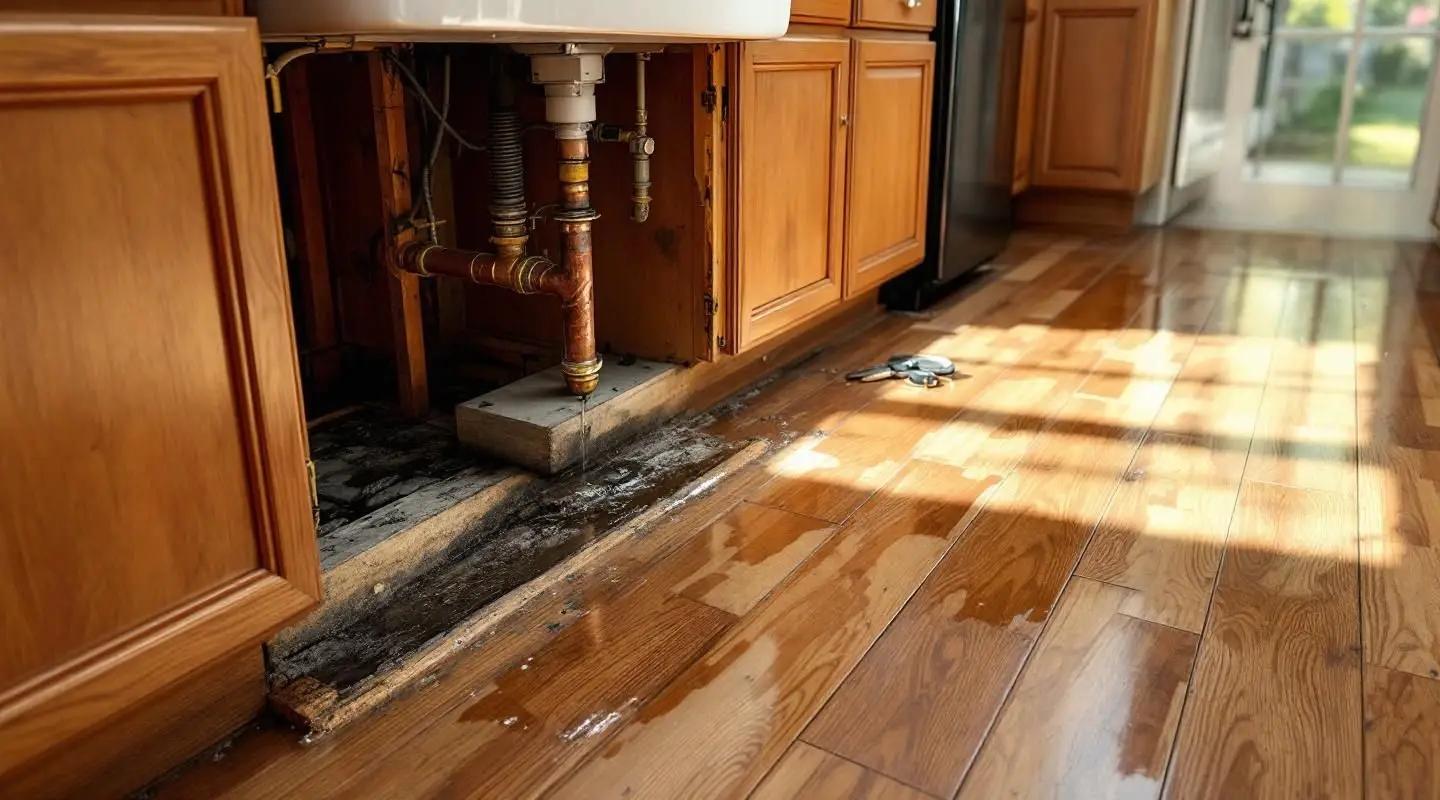
A slow drip under your kitchen sink isn’t just a nuisance; it’s a quiet threat to the structural integrity of your home. In Omaha, where many residential properties feature particleboard subfloor underlayment, even a minor under-sink leak can lead to rapid subfloor saturation and swelling. By the time you notice a musty smell or a slight soft spot in front of the stove, the water has likely already begun its journey through the drywall wicking process, climbing up the backside of your cabinetry. You need a response that looks beyond the surface puddles to find where the moisture is actually hiding.
When our experienced technicians arrive, we don’t just start ripping things out. We use a thermal imaging scan and moisture mapping to visualize the migration of the water. This is critical because a dishwasher overflow or a refrigerator line failure often results in a Class 2 water loss, where moisture is absorbed into porous materials like cabinet bases and structural framing. If we catch it early enough, we can often save the cabinetry using targeted dehumidification drying and specialized floor-drying mats, preventing the need for a full kitchen gut job that would displace your family for weeks.
Ignoring a slow leak is a recipe for flooring delamination and permanent toe-kick damage. Whether it’s Category 1 water from a clean supply line or something more concerning, the humid Nebraska summers make mold prevention treatment a non-negotiable step in the restoration process. We focus on the hidden cavities—those dark spaces behind the dishwasher and under the island—where stagnant air and high humidity create the perfect breeding ground for spores. Our goal is to stabilize the environment quickly, stopping secondary damage before it can compromise your indoor air quality.
We understand the stress of losing the use of the heart of your home. That’s why we document every step of the drying process, providing the moisture reports your insurance adjuster needs to process your claim without a fight. From addressing cabinet base rot to ensuring your subfloor is bone-dry before any new flooring is laid, we handle the technical heavy lifting so you can get back to your normal routine in a safe, dry house.
When you discover a dishwasher overflow or a refrigerator line failure, the visible puddle is rarely the whole story. In many Omaha homes, especially those with older particleboard underlayment, water doesn’t just sit on the surface; it migrates rapidly into porous materials. Professional restoration ensures that moisture mapping identifies exactly where that water traveled before it triggers permanent cabinet base rot or flooring delamination. You might think a few towels and a desk fan can handle a persistent under-sink leak, but without industrial-grade dehumidification drying, you are often just leaving a breeding ground for mold inside your wall voids.
The primary advantage of hiring experienced technicians is the precision we bring to Class 2 water loss scenarios. We use thermal imaging scans to see through your toe-kicks and behind drywall, catching moisture wicking that the naked eye misses entirely. By addressing subfloor saturation early, we often save homeowners from the massive expense of a full kitchen gut-job. We don’t just dry the floor; we stabilize the environment to prevent secondary damage, ensuring your kitchen remains a safe, mold-free space for your family to gather.
Hidden Moisture Detection — We use thermal imaging to find water trapped behind cabinets and under toe-kicks.
Structural Integrity Preservation — Rapid subfloor drying prevents the swelling and crumbling of particleboard underlayment common in Omaha.
Mold Growth Prevention — Antimicrobial treatments and controlled humidity stop spores from colonizing damp cabinet cavities.
Insurance Claim Accuracy — Our detailed moisture mapping provides the documentation your adjuster needs for a fair settlement.
Advanced Drying Technology — High-capacity dehumidifiers pull deep-seated moisture from drywall and flooring to prevent delamination.
The timeline for Kitchen Leak Damage Repair depends heavily on the extent of the subfloor saturation. Typically, the professional drying phase takes three to five days using high-capacity dehumidifiers and air movers. If we discover cabinet base rot or flooring delamination, the reconstruction phase can add another week or two. In Omaha, our humid summer climate can occasionally slow down natural evaporation, so we use moisture mapping to ensure every wall cavity is bone-dry before we even think about closing up the drywall.
Most Omaha policies cover Kitchen Leak Damage Repair if the cause was sudden and accidental, such as a dishwasher overflow or a refrigerator line failure. However, slow drips that have existed for months may be viewed as a maintenance issue. When you work with about our company, we help document the loss with thermal imaging scans and detailed moisture reports. This evidence is vital for your adjuster to understand the scope of the Class 2 water loss and approve the necessary structural drying.
You should look for tell-tale signs like cupping in hardwood planks or a ‘spongy’ feeling when you walk near the sink. Another red flag is toe-kick damage, where the wood at the base of your cabinets begins to swell or peel. Many older homes in the Omaha metro use particleboard underlayment, which absorbs water like a sponge and loses structural integrity quickly. We use non-invasive moisture meters to detect subfloor saturation without needing to immediately pull up your expensive tile or stone flooring.
We can often save solid wood cabinets using specialized drying equipment that forces warm, dry air into the cabinet cavities. However, if your kitchen features pressed-wood or MDF materials, they often suffer permanent swelling and delamination once they hit a certain saturation point. Our priority during Kitchen Leak Damage Repair in Omaha is to stabilize the environment quickly to prevent the need for a full kitchen gut. If the water is Category 1 clean water, the chances of successful drying are significantly higher than with gray water leaks.
Mold can begin to colonize in as little as 24 to 48 hours in the dark, unventilated spaces behind your base cabinets. Because drywall wicking happens so fast, the moisture often climbs up the wall behind the cabinetry where you can’t see it. We apply a professional-grade mold prevention treatment to all affected surfaces during the restoration process. For homeowners concerned about local health standards and indoor air quality, the Douglas County Health Department provides excellent resources on maintaining a healthy home environment after a water event.
In the Omaha area, the high mineral content in our hard water can lead to calcium buildup inside small plastic supply lines. Over time, this makes the lines brittle, leading to cracks or connection failures behind the appliance. These leaks are particularly dangerous because they often cause slow, hidden subfloor saturation for weeks before the water finally peeks out from under the fridge. Regular Kitchen Leak Damage Repair calls in Nebraska often start with these tiny, overlooked plastic hoses that simply couldn’t handle the pressure or mineral scale.
Don’t let a slow dishwasher overflow or a refrigerator line failure turn into a full subfloor replacement. In Omaha, our hard water often leads to mineral buildup that causes these leaks to start small and stay hidden behind your toe-kicks for weeks. By the time you notice flooring delamination or a musty smell, the moisture has likely already wicked into your drywall and started rotting the cabinet bases. You need a professional experienced technician to perform a thermal imaging scan and map the moisture before mold takes hold in your wall voids.
We understand the stress of losing access to your kitchen. Our crew moves fast to document the Class 2 water loss for your insurance adjuster while setting up dehumidification drying to save your cabinetry. Whether you are dealing with an under-sink leak or a major appliance failure, we provide the clear documentation and structural drying expertise required to get your Omaha home back to normal. Call us today for a thorough moisture assessment.
Ignoring a small kitchen leak is a gamble with your home’s foundation. In the Omaha metro, many of our older residential properties were built with particleboard subfloor underlayment, which acts like a structural sponge. When a dishwasher overflow or a slow under-sink leak occurs, that material doesn’t just get wet; it swells and loses integrity almost immediately. You might see a small warp in your linoleum or tile, but beneath the surface, subfloor saturation is likely already compromising the base of your cabinetry and creating a hidden mess that won’t dry on its own.
Beyond the visible wood rot, trapped moisture creates a perfect breeding ground for microbial growth within 24 to 48 hours. Because kitchens are high-traffic areas with plenty of organic food sources, mold prevention treatment becomes a critical part of any professional response. If you leave moisture trapped behind a toe-kick or inside a wall void after a refrigerator line failure, you aren’t just dealing with a wet floor—you’re looking at a potential health hazard for your family. Our experienced technicians use moisture mapping to find exactly where the water traveled, ensuring we don’t miss a single pocket of humidity hidden behind your expensive appliances.
Professional Kitchen Leak Damage Repair is about more than just mopping up a spill. We often classify these incidents as a Class 2 water loss, meaning the water has wicked up the drywall and into the cabinet bases. To save your kitchen without a total gut-remodel, we employ dehumidification drying and thermal imaging scans to monitor the evaporation process in real-time. In Omaha’s humid summers, simply opening a window or pointing a household fan at the floor won’t cut it; you need industrial-grade equipment to pull that deep-seated moisture out of the structural studs before flooring delamination and permanent cabinet base rot set in.
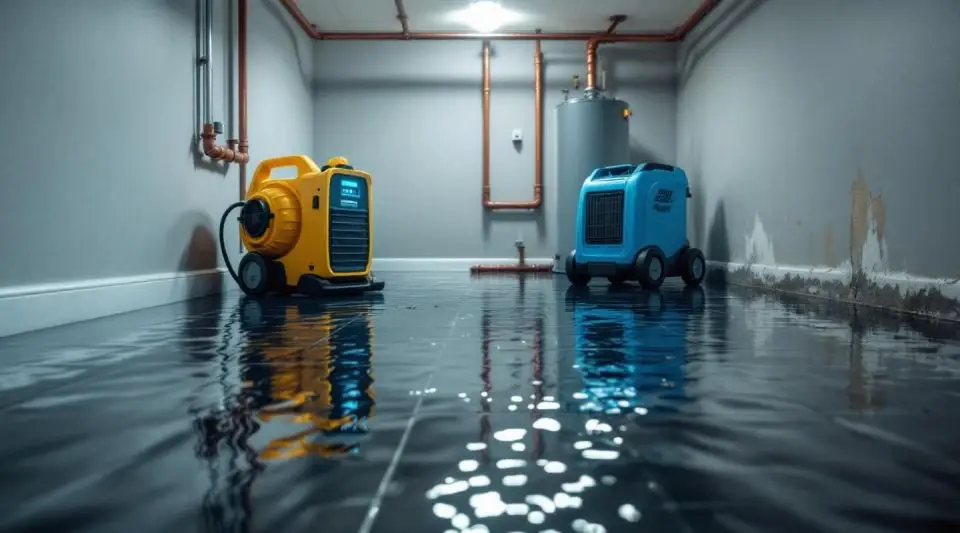
When a supply line snaps or an Omaha summer storm sends several inches of water into your basement, the window for a successful recovery is incredibly narrow.
Learn more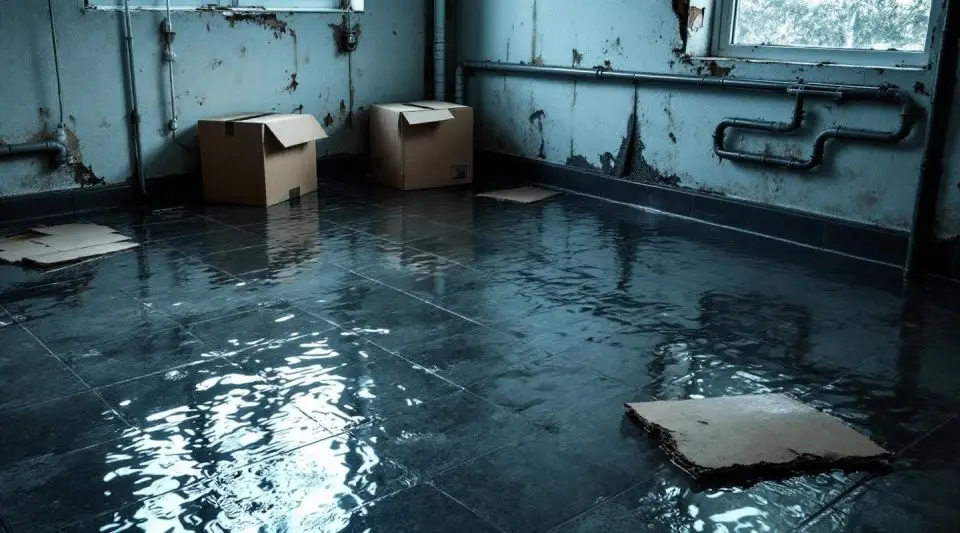
Omaha weather is notoriously unpredictable, and for many homeowners, a heavy spring downpour or a sudden summer thunderstorm can quickly turn a dry basement into a disaster zone.
Learn more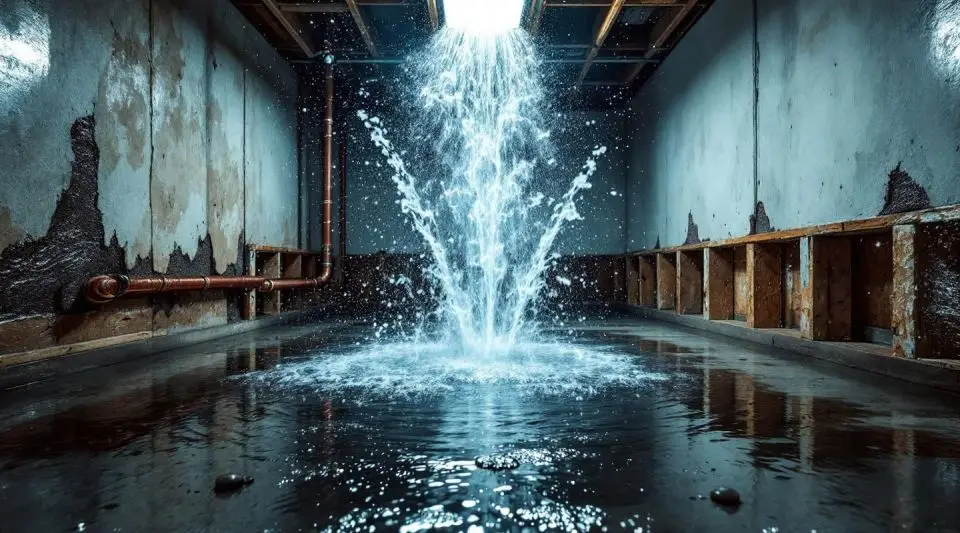
When the mercury drops in Omaha, the plumbing in older neighborhoods like Dundee or Benson faces a brutal test.
Learn more
Our dedicated San Diego team provides emergency Ceiling Water Damage Repair to address sagging drywall and hidden moisture before structural issues or mold can compromise your family's residential living space.
Learn more
Discovering a sanitary sewer overflow in your basement is a visceral crisis that goes beyond a simple mess.
Learn more
When you walk down your basement stairs and feel the unmistakable squish of saturated carpet, your first instinct is usually panic.
Learn more
Walking into a flooded basement or seeing water drip through your living room ceiling is a gut-punch moment for any homeowner.
Learn moreWe didn't see that water was slowly flowing into the basement for months. Their inspection tools found the main problem, and they cleaned up, stopped mold from spreading, and completed repairs promptly and well. I appreciated how honest they were and how hard they worked.
Nathan Faeyza
The water that spilled got into the cupboards and floor near the sink. The restoration team gently took out the broken pieces and dried the area entirely.
Charlotte Welch
Before they started cleaning up, our mold removal business took the time to find out where the moisture was coming from.
Cindy Goode
After a large storm destroyed the roof and the inside of the house, Kedor Restorations came in. They finished the mitigation work fast, which kept more structural problems from happening. The group was well-organized, talked to each other, and did a great job.
Rosemary Darden
When a pipe broke in my bathroom and water started to seep into the hallway, it spread faster than I anticipated it would. I called a company that fixes water damage, and they called me back right away. The personnel had the right tools and quickly got rid of the water. They didn't only look at the parts that were easy to see; they also looked behind walls and under floors to make sure they didn't miss anything. I liked how they went into each step, especially the drying process and why it's so crucial to keep mold from growing. They examined the moisture levels every few days and made any changes to their tools that were necessary. I was glad to know that everything had been thought out nicely. Everything was safe and dry again when they were done. It's good to know that experts care about this and don't take shortcuts.
Betty Wellington