- (402) 532-4051
- 6214 Q Street, Omaha, NE 68117

When a pressurized pipe failure occurs in a multi-story office or a retail warehouse, the volume of water released is staggering. You aren’t just dealing with a puddle; you are managing a building envelope breach that can travel through floor assemblies and into elevator pits within minutes. In Omaha, our freeze-thaw cycles often stress older cast-iron or galvanized supply lines, leading to sudden bursts that demand an immediate emergency water shutoff. At Kedor Restorations, we understand that for a facility manager, every hour of standing water is an hour of lost revenue and increasing structural risk.
Our approach to commercial water extraction goes beyond just pulling up carpets. We use moisture mapping and thermal imaging inspection to find where water has migrated behind drywall or under subfloors. This scientific method ensures that we aren’t just drying what we can see, but addressing the hidden pockets of moisture that lead to long-term rot. Our experienced technicians follow the IICRC S500 standard to categorize the loss—often a category 2 water loss in commercial settings—and deploy the right mix of air movers and desiccant dehumidification to stabilize the environment.
Speed is the only way to prevent a building from becoming a total loss. If building materials remain saturated for more than 48 hours, mold begins to colonize, which can triple the cost of your insurance claim. We work closely with your adjusters, providing detailed scope of loss documentation and Xactimate-style estimates to keep the process transparent. You need a partner who can handle the logistics of a large-scale drying project while you focus on keeping your tenants safe and your operations running.
Whether it’s a burst main in a mechanical room or a failed sprinkler line on the fourth floor, the goal is always the same: get back to dry as fast as possible. We provide the commercial drying equipment and the technical expertise needed to handle complex multi-story assemblies. By acting quickly, you protect the structural integrity of your property and avoid the secondary damage that plagues poorly managed restoration projects in the Omaha area.
When a pressurized pipe failure occurs in your facility, the clock starts ticking against your building’s structural integrity and your bottom line. In Omaha, where the freeze-thaw cycle often stresses aging cast-iron supply lines, a single burst can release hundreds of gallons of category 2 water in minutes. You aren’t just dealing with a wet floor; you’re facing a building envelope breach that threatens subfloor saturation and electrical systems. Our team focuses on rapid commercial water extraction to stabilize the environment before secondary damage, like mold colonization, takes hold within that critical 48-to-72-hour window.
We use advanced moisture mapping and thermal imaging inspection to find water that has migrated into wall cavities or elevator pits—areas a visual check will always miss. By deploying desiccant dehumidification and high-capacity commercial drying equipment, we ensure your property meets the standards set by our experienced technicians for IICRC S500 structural drying. This scientific approach doesn’t just dry the surface; it protects your long-term liability and provides the rigorous scope of loss documentation your insurance adjuster requires to process the claim accurately. We understand that every hour of downtime is lost revenue, so we work to keep your facility operational while we execute the restoration.
Minimized Business Downtime — We prioritize high-traffic zones and critical infrastructure to get your tenants and employees back to work faster.
Scientific Moisture Tracking — Using thermal imaging and moisture mapping to identify hidden subfloor saturation and wall cavity intrusion.
IICRC S500 Compliance — Every project follows the professional standard for structural drying to ensure your building is safe and mold-free.
Insurance Claim Coordination — We provide detailed Xactimate-style scope of loss documentation to streamline the approval process with your adjuster.
Advanced Dehumidification — Using industrial desiccant units to pull deep-seated moisture from concrete slabs and complex building assemblies.
In Omaha, the clock starts the second a pressurized pipe failure occurs. We target a 60 to 90-minute response time because every minute of standing water increases the risk of a category 2 water loss. When you call us for Commercial Pipe Burst Repair, our crews mobilize immediately with commercial water extraction units. Because Omaha winters often lead to sub-freezing bursts in uninsulated mechanical rooms, we keep our fleet staged for rapid deployment across the metro area. Getting on-site fast is the only way to prevent a building envelope breach from turning into a total structural failure.
Most commercial property policies in Nebraska do cover sudden and accidental water damage resulting from a pipe failure. However, the exact scope of loss documentation required by adjusters can be grueling. For your Commercial Pipe Burst Repair, we use Xactimate-style estimates to ensure your carrier sees a line-item breakdown they recognize. It is vital to check the Nebraska Department of Insurance guidelines regarding your rights as a policyholder. We work directly with your adjuster to coordinate the claim, ensuring that moisture mapping and thermal imaging data are provided to justify the equipment rental duration.
Whether you can remain open depends on the scale of the flood and the water category. For minor Commercial Pipe Burst Repair, we often use temporary containment barriers to keep your staff safe while we run desiccant dehumidification in affected zones. If the water has reached elevator pits or server rooms, safety protocols might require a temporary shutdown. Our goal is always to minimize business downtime. We can often perform high-decibel commercial water extraction after hours so your tenants aren’t disrupted during the workday. We prioritize keeping your revenue flowing while we stabilize the building’s environment.
On average, professional structural drying takes between three and five days. This isn’t just about the carpets feeling dry to the touch; it’s about reaching the “dry goal” for subfloors and wall cavities. Following the IICRC S500 standard, we use moisture mapping to track progress daily. If you don’t achieve total drying within that 48 to 72-hour window, you risk mold colonization. For a Commercial Pipe Burst Repair in Omaha, the humidity levels in the building must be strictly controlled using high-capacity air movers and dehumidifiers to pull deep-seated moisture out of dense materials like concrete or masonry.
Proper documentation is your best defense against a denied claim. You should start by taking wide-angle photos of the initial burst and the path the water took through the facility. When our team arrives to begin your Commercial Pipe Burst Repair, we take over the technical side. We record atmospheric readings, moisture content in drywall, and thermal imaging evidence of hidden migration. This scope of loss package is what your insurance company needs to see. Providing a clear, data-backed narrative of the restoration process ensures you aren’t left paying for secondary damages out of pocket.
When a pressurized pipe failure occurs in your facility, the clock starts ticking against your subfloors and wall cavities. You need a team that understands the IICRC S500 standard and can deploy desiccant dehumidification immediately to prevent a category 2 loss from becoming a mold disaster. Our experienced technicians are ready to handle the emergency water shutoff and start the moisture mapping process right now.
Don’t let a burst pipe in Omaha disrupt your revenue for weeks. We provide the detailed scope of loss documentation your insurance adjuster requires to move your claim forward quickly. Contact us to get our commercial drying equipment on-site before secondary damage takes hold.
In a commercial setting, a pressurized pipe failure isn’t just a maintenance headache; it is a full-scale operational crisis. When a main line let’s go in an Omaha office tower or retail center, hundreds of gallons of category 2 water can saturate multiple floors in minutes. You aren’t just fighting a puddle; you are racing against a 48-hour clock before microbial growth begins to colonize damp drywall and insulation. If you wait to see if the carpets dry on their own, you are essentially inviting a building envelope breach that could lead to six-figure structural repairs and extended tenant displacement.
Professional mitigation matters because water is deceptive. It follows the path of least resistance, often migrating into wall cavities, elevator pits, and server room subfloors where visual inspections fail. Our experienced technicians use thermal imaging inspection and moisture mapping to find every hidden pocket of humidity. Without this scientific approach, you risk leaving moisture trapped under concrete slabs or behind expensive millwork. This trapped water eventually rots structural members and creates air quality issues that can trigger liability concerns for facility operators.
Beyond the physical cleanup, the importance of professional restoration lies in the scope of loss documentation. Commercial insurance adjusters in Nebraska require more than just a clean building; they need a defensible paper trail. We follow the IICRC S500 standard to ensure every desiccant dehumidification cycle and air mover placement is logged. By providing a detailed Xactimate-style estimate, we help you bridge the gap between your emergency response and your insurance claim coordination. This level of detail ensures your carrier understands the complexity of the loss, from structural drying to post-mitigation clearance testing.
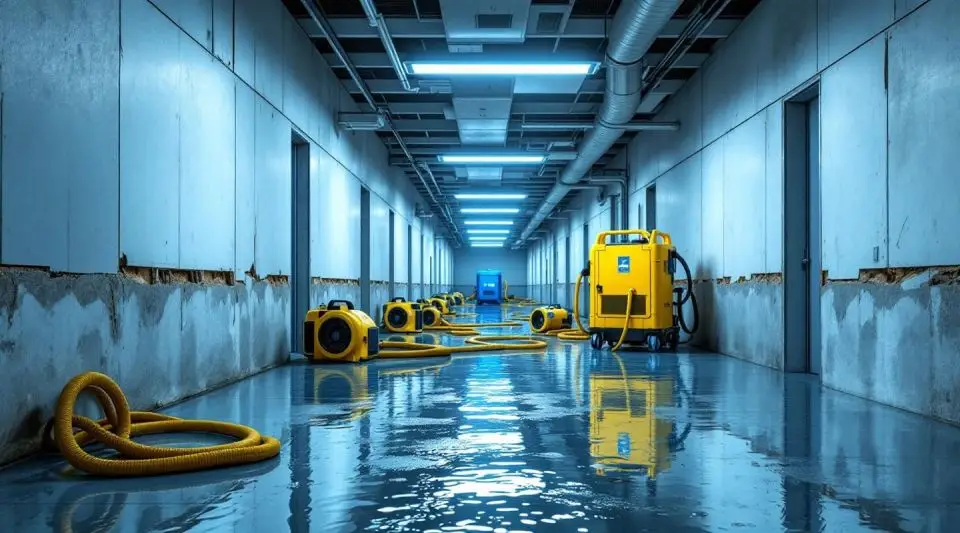
When a main water line bursts on the fourth floor of an Omaha office complex or a flash flood overwhelms your warehouse loading dock, the clock starts ticking against your bottom line.
Learn more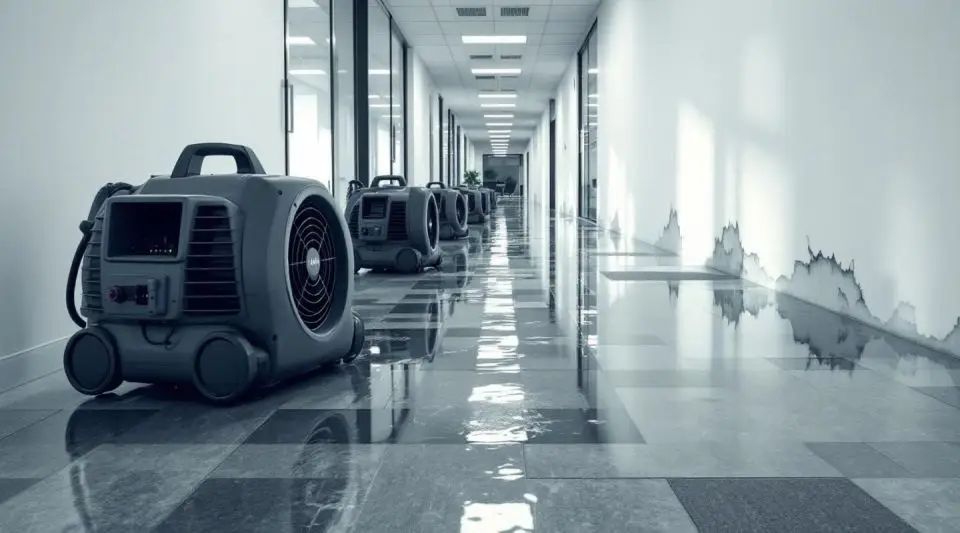
When a water main breaks or a flash flood hits a commercial property in Omaha, the clock starts ticking against your building’s structural integrity and your tenants' patience.
Learn more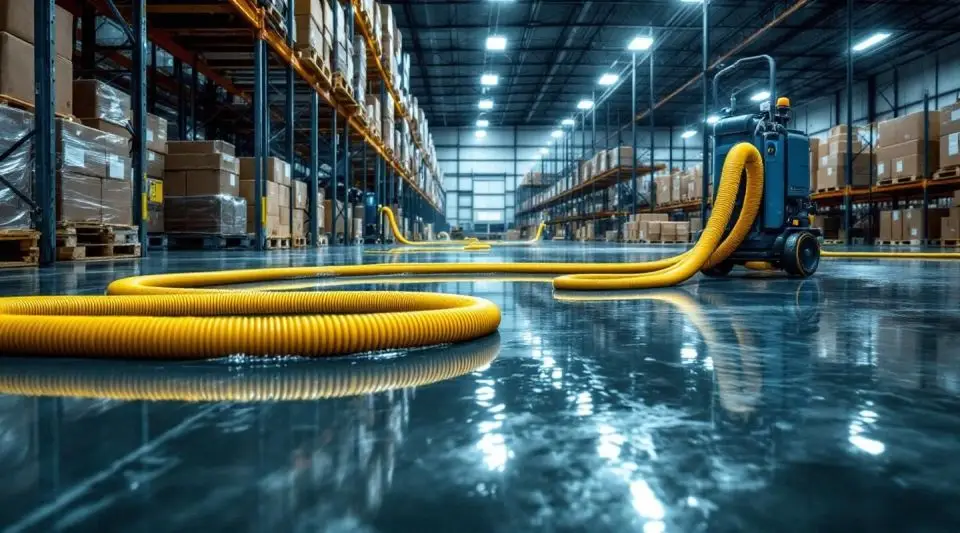
When a storm overwhelms the drainage system of your Omaha facility or a supply line ruptures in an unheated loading dock, the clock starts ticking against your bottom line.
Learn more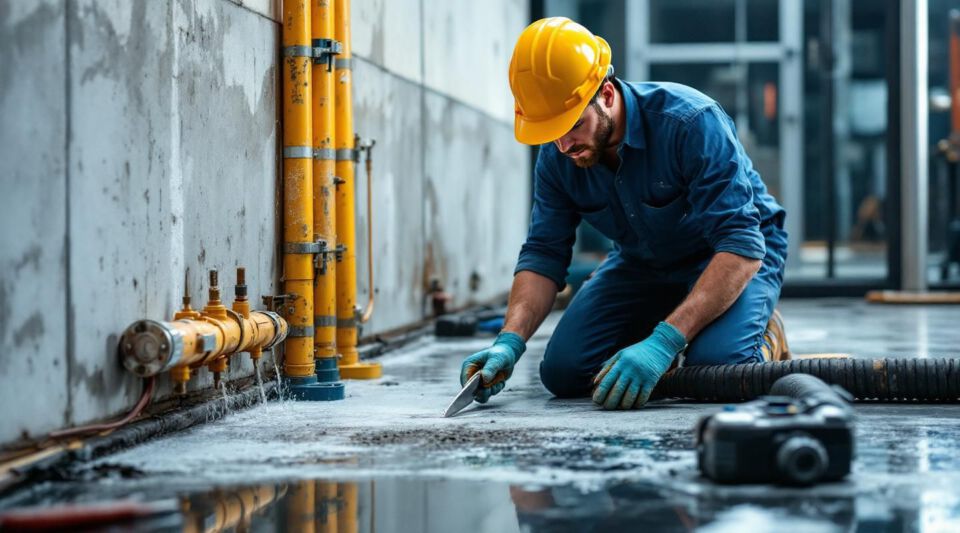
When a vertical pipe stack fails on the fifth floor or a sprinkler head accidentally discharges in a crowded lobby, the clock starts ticking against your hotel’s bottom line.
Learn more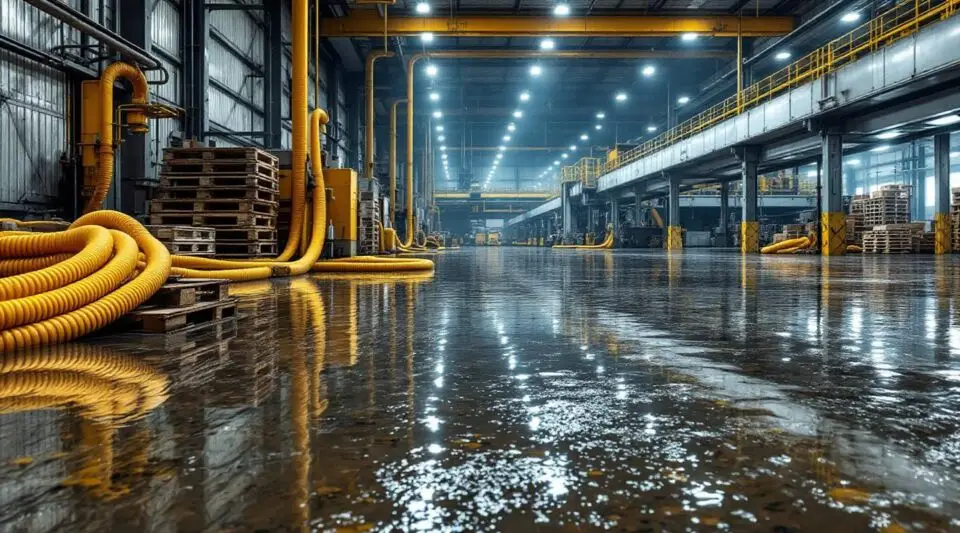
When an industrial facility or large-scale commercial property in Omaha faces a flood, the clock doesn't just tick—it roars.
Learn more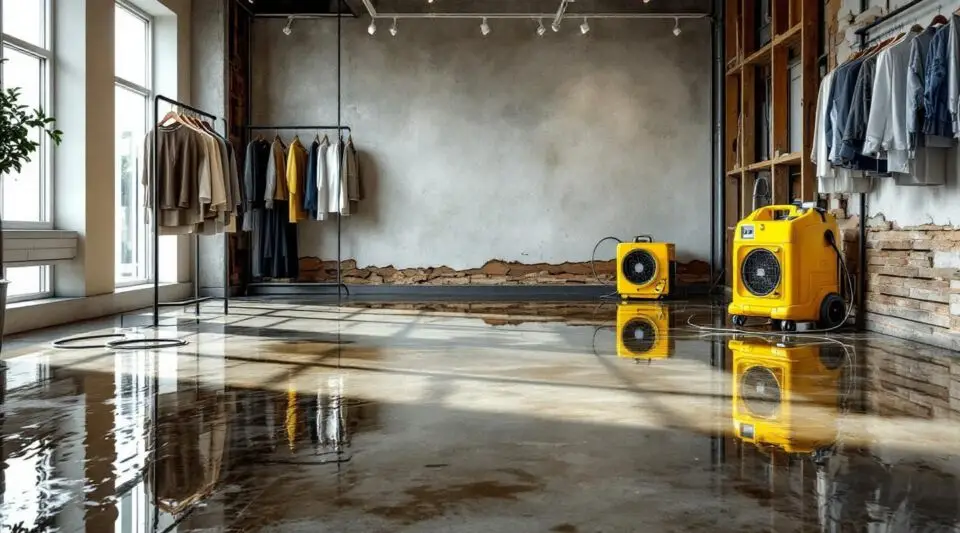
When a flash flood or a failed sprinkler system hits your retail space, the clock starts ticking against your bottom line.
Learn more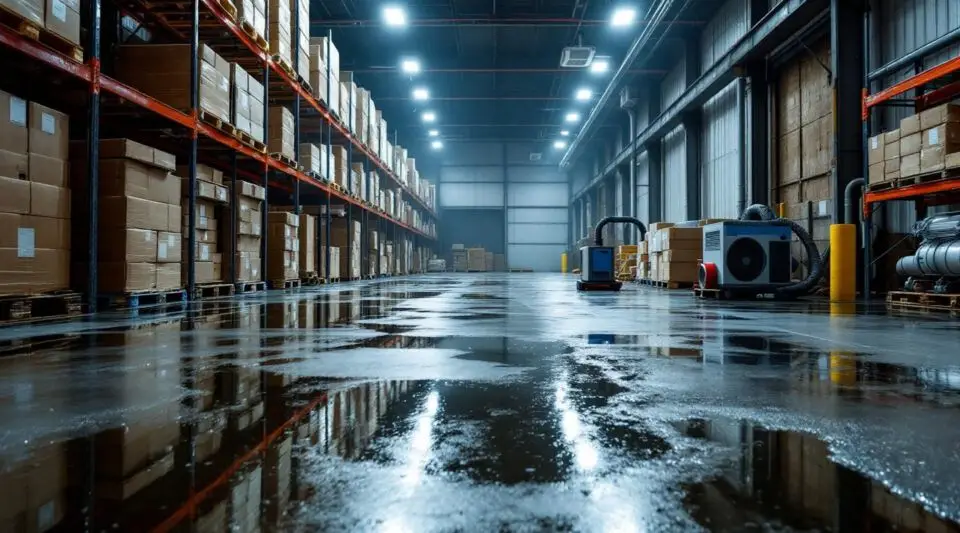
Our specialized team delivers rapid water extraction and industrial-grade structural drying to protect your inventory and restore your San Diego commercial facility to full operation after a flood.
Learn moreBefore they started cleaning up, our mold removal business took the time to find out where the moisture was coming from.
Cindy Goode
After a large storm destroyed the roof and the inside of the house, Kedor Restorations came in. They finished the mitigation work fast, which kept more structural problems from happening. The group was well-organized, talked to each other, and did a great job.
Rosemary Darden
The water that spilled got into the cupboards and floor near the sink. The restoration team gently took out the broken pieces and dried the area entirely.
Charlotte Welch
We didn't see that water was slowly flowing into the basement for months. Their inspection tools found the main problem, and they cleaned up, stopped mold from spreading, and completed repairs promptly and well. I appreciated how honest they were and how hard they worked.
Nathan Faeyza
When a pipe broke in my bathroom and water started to seep into the hallway, it spread faster than I anticipated it would. I called a company that fixes water damage, and they called me back right away. The personnel had the right tools and quickly got rid of the water. They didn't only look at the parts that were easy to see; they also looked behind walls and under floors to make sure they didn't miss anything. I liked how they went into each step, especially the drying process and why it's so crucial to keep mold from growing. They examined the moisture levels every few days and made any changes to their tools that were necessary. I was glad to know that everything had been thought out nicely. Everything was safe and dry again when they were done. It's good to know that experts care about this and don't take shortcuts.
Betty Wellington