- (402) 532-4051
- 6214 Q Street, Omaha, NE 68117

When an industrial facility or large-scale commercial property in Omaha faces a flood, the clock doesn’t just tick—it roars. Whether it’s a burst main in a North Omaha warehouse or a loading dock overwhelmed by a sudden Missouri River surge, standing water is an immediate threat to your inventory, machinery, and structural integrity. You aren’t just looking for a shop vac and a few fans; you need a coordinated industrial flood response that understands the complexities of 50,000-square-foot floor plates and the high stakes of operational downtime.
Our approach to industrial water extraction focuses on rapid stabilization to prevent secondary damage like mold or slab saturation. We deploy high-capacity rapid drying systems and desiccant dehumidification to pull moisture from deep within concrete and masonry, environments where standard residential equipment simply fails. By prioritizing business continuity planning, our team works to get your production lines or retail floors back to a dry state before the cost of lost revenue outpaces the cost of the cleanup itself.
We strictly adhere to the IICRC S500 standard, especially when dealing with category 3 water intrusion—the highly contaminated runoff often seen in industrial zones after a sewer surcharge. This isn’t just about moving water; it involves rigorous psychrometric monitoring and moisture mapping to prove the building is safe for reoccupancy. We document every structural moisture reading, providing the drying logs your insurance adjuster needs to process a large-loss claim without the usual friction or delays.
You likely worry about the long-term liability of hidden moisture behind metal wall panels or under heavy equipment. That’s why we don’t guess. We use thermal imaging and penetrating meters to verify that every inch of your facility—from the vehicle maintenance bays to the administrative offices—meets strict dry standards. In a city where clay-heavy soil and seasonal snowmelt create recurring flood risks, having a partner who knows the local topography and regulatory landscape is the only way to protect your commercial investment.
Choosing a restoration partner with specific industrial experience means your facility benefits from a response tailored to the scale of a commercial loss. In the Omaha metro, where Missouri River surges or sudden storm drain failures can submerge a 50,000-square-foot floor plate in hours, standard residential equipment simply won’t cut it. You need high-capacity industrial water extraction and desiccant dehumidification to pull moisture from deep within concrete slabs and masonry before it compromises your inventory or heavy machinery. Our experienced technicians understand that every hour your loading docks are closed or your production line is down represents a direct hit to your bottom line.
Beyond just removing standing water, the real benefit lies in our psychrometric monitoring and moisture mapping. We don’t guess if a building is dry; we prove it with documented readings that satisfy both your safety standards and your insurance adjuster. By using rapid drying systems, we often bypass the need for massive demolition of metal wall panels or structural components. This precision prevents the category 3 water intrusion from turning into a long-term mold liability, ensuring your staff returns to a healthy environment without the lingering smell of a flooded basement. We focus on business continuity planning from the moment we arrive, coordinating with your facility manager to keep essential zones operational while we work.
MINIMIZED DOWNTIME — We prioritize rapid extraction and high-volume airflow to get your operations back online in days, not weeks.
STRUCTURAL INTEGRITY — Our use of desiccant dehumidifiers pulls deep-seated moisture from concrete and heavy timber that standard fans can't reach.
INSURANCE ACCURACY — We provide detailed drying logs and moisture maps that simplify the claims process for your procurement and legal teams.
CONTAMINATION CONTROL — Specialized antimicrobial treatments address category 3 water risks common in Omaha’s industrial corridors.
SCALABLE RESOURCES — From warehouse floor plates to multi-tenant complexes, we deploy the specific fleet size required for large-loss scenarios.
When your facility in the Omaha metro faces a sudden surge from spring snowmelt or a burst main, every hour of standing water translates to lost revenue. We prioritize Industrial Flood Cleanup mobilization, typically arriving on-site within two hours to stabilize the environment. Quick action is critical because Omaha’s clay-heavy soil can trap moisture against foundations, leading to long-term structural issues. Our crew arrives with high-capacity extraction units ready to handle large-loss scenarios immediately. We understand that for local manufacturers, the goal isn’t just removing water; it’s protecting your production schedule and preventing the secondary damage that occurs when high humidity lingers in a 50,000-square-foot space.
In a commercial setting, the source of the water dictates the safety protocol. Category 2 water might come from a clean pipe break, but Category 3 water—often called ‘black water’—is highly contaminated. This is common in Omaha during heavy rain events when sewer surcharges occur in industrial zones like North Omaha. Industrial Flood Cleanup for Category 3 situations requires specialized PPE and antimicrobial treatments to neutralize pathogens. We follow the IICRC S500 standard strictly to ensure your facility is biologically safe for employees. Failing to distinguish between these categories can lead to massive liability if workers are exposed to hazardous microbes left behind in porous materials.
Most commercial policies in Nebraska are designed to cover the costs of Industrial Flood Cleanup, especially when the work is documented to professional standards. We simplify this by coordinating directly with your insurance adjuster, providing the detailed moisture mapping and psychrometric monitoring logs they require to approve a claim. Because we understand the nuances of large-loss drying, we ensure all documentation reflects the actual scope of work, from desiccant dehumidifier run-times to the disposal of contaminated materials. You shouldn’t have to act as a middleman between your restoration partner and your insurer while trying to run a business; we handle the technical reporting so you can focus on your operations.
Drying a massive warehouse or a manufacturing floor isn’t a 24-hour process. Depending on the building materials—like deep concrete slabs or insulated metal panels—structural drying usually takes between three to five days. We use desiccant dehumidification to pull moisture from the air and the building’s ‘bones’ simultaneously. Throughout the process, our technicians take regular structural moisture readings to track progress. We don’t guess when the job is done; we use science to prove it. This rigorous approach to Industrial Flood Cleanup ensures that when you move your inventory back in, you aren’t trapping moisture that will eventually trigger a mold outbreak or warp your flooring.
We don’t use residential-grade fans for a 100,000-square-foot facility. Effective Industrial Flood Cleanup in Omaha requires industrial-scale desiccant dehumidifiers and truck-mounted extraction systems capable of moving thousands of gallons an hour. We also use infrared cameras and moisture meters for precise moisture mapping, ensuring we find water hidden behind wall assemblies or under heavy machinery. If you are looking for more information about where we work in Omaha, you can see our service area map. Using the right heavy-duty equipment is the only way to achieve the rapid drying needed to maintain business continuity and satisfy the strict requirements of commercial property insurers.
Don’t let a flood event paralyze your operations. Every hour water sits on your warehouse floor or inside your manufacturing facility, the risk of structural compromise and mold growth increases. We understand that for an Omaha business, the cost of the cleanup is often secondary to the cost of lost production time. Our crew arrives ready to execute a high-capacity commercial flood response that targets the source and stabilizes the environment before secondary losses take hold.
Whether you are dealing with a burst main in a mechanical room or a loading dock overwhelmed by a summer storm, we provide the documentation your insurance adjuster needs and the speed your facility manager demands. Contact Kedor Restorations today to get our industrial water extraction teams on-site immediately.
When a facility in the Omaha metro faces a sudden surge from spring snowmelt or a high-intensity rain event, the clock doesn’t just tick—it drains your revenue. You aren’t just dealing with standing water; you are battling a business continuity crisis that threatens your entire production schedule. If you let water sit on a 50,000-square-foot floor plate, you’re risking more than just wet surfaces. You are looking at compromised heavy machinery, corroded loading dock pits, and saturated inventory that can quickly become a total loss. Our team understands that for industrial operators in the North Omaha industrial zones, every hour of downtime is a compounding financial hit that often exceeds the actual cost of the cleanup itself.
Effective mitigation in a commercial setting requires far more than basic shop-vacs or household fans. We use psychrometric monitoring and moisture mapping to track exactly how deep the intrusion has penetrated your structural components. In many local warehouses, water migrates under concrete slabs or behind metal wall panels where it remains trapped, creating a hidden reservoir for microbial growth. Without high-capacity desiccant dehumidification to pull deep-seated moisture from the air and materials, that water won’t leave on its own. We adhere strictly to the IICRC S500 standard to ensure that every square inch of your facility is documented as dry, providing the rigorous validation your insurance adjuster requires to process the claim efficiently.
Ignoring the specific classification of the water is a massive liability risk for any property manager. Many industrial floods involve category 3 water—contaminated runoff or sewer surcharges common during heavy storms in the Aksarben area. This isn’t just “dirty” water; it is a biohazard that requires specialized antimicrobial treatments and regulated disposal protocols to keep your workforce safe. By engaging an experienced technicians team early, you prevent the secondary damage that turns a three-day drying project into a month-long remediation nightmare. We focus on rapid stabilization so you can get your doors back open and your crews back to work without the lingering threat of structural failure or health code violations.
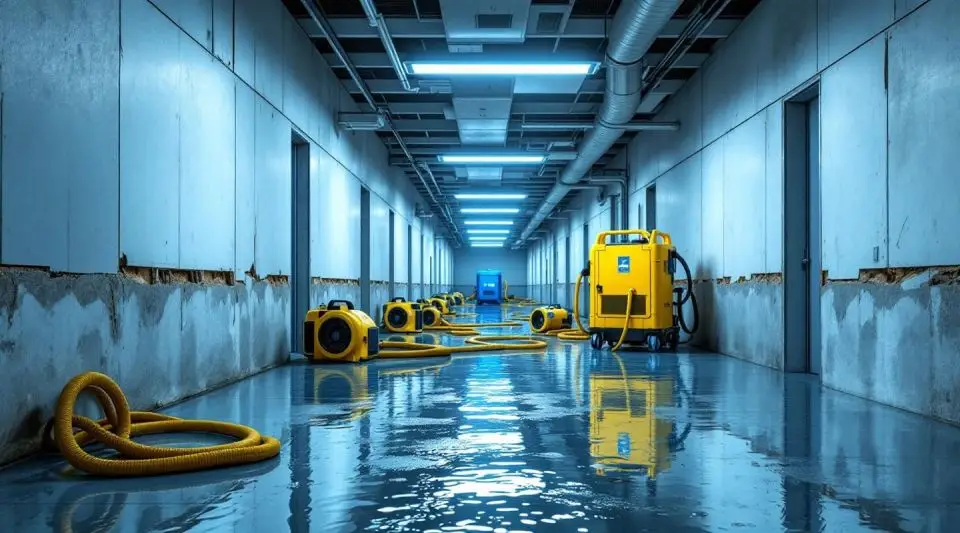
When a main water line bursts on the fourth floor of an Omaha office complex or a flash flood overwhelms your warehouse loading dock, the clock starts ticking against your bottom line.
Learn more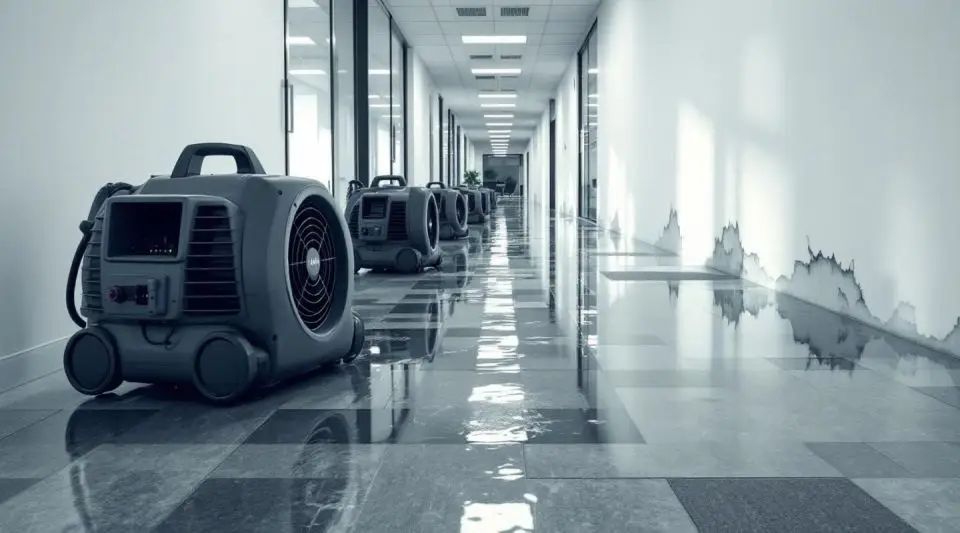
When a water main breaks or a flash flood hits a commercial property in Omaha, the clock starts ticking against your building’s structural integrity and your tenants' patience.
Learn more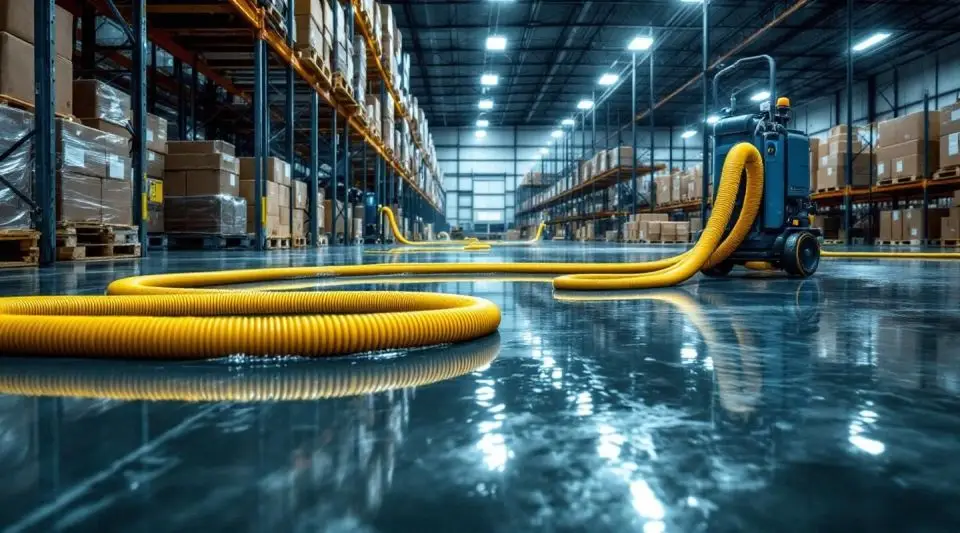
When a storm overwhelms the drainage system of your Omaha facility or a supply line ruptures in an unheated loading dock, the clock starts ticking against your bottom line.
Learn more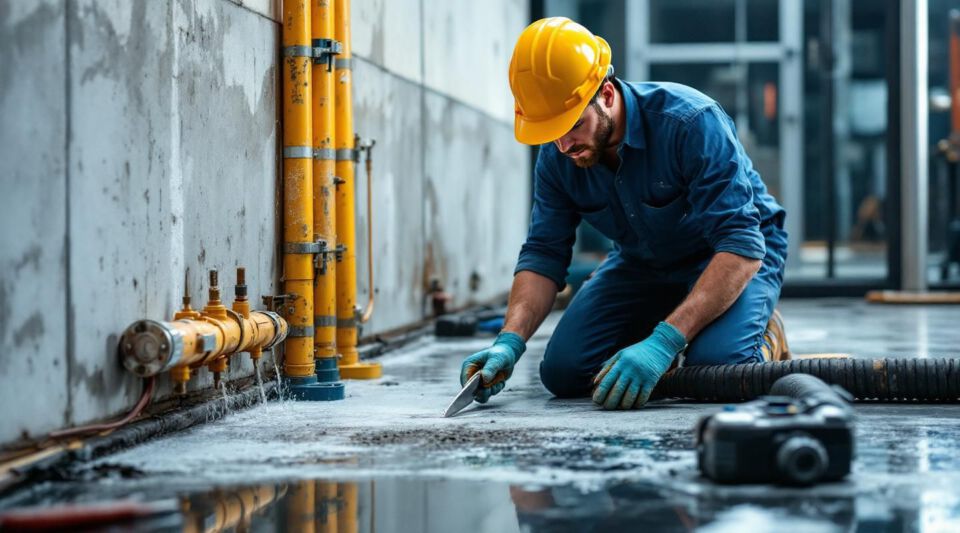
When a vertical pipe stack fails on the fifth floor or a sprinkler head accidentally discharges in a crowded lobby, the clock starts ticking against your hotel’s bottom line.
Learn more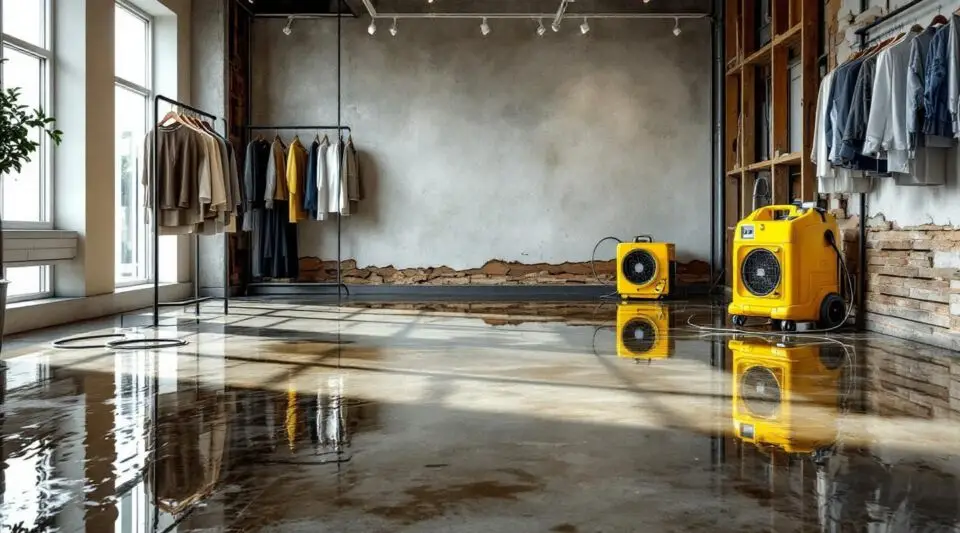
When a flash flood or a failed sprinkler system hits your retail space, the clock starts ticking against your bottom line.
Learn more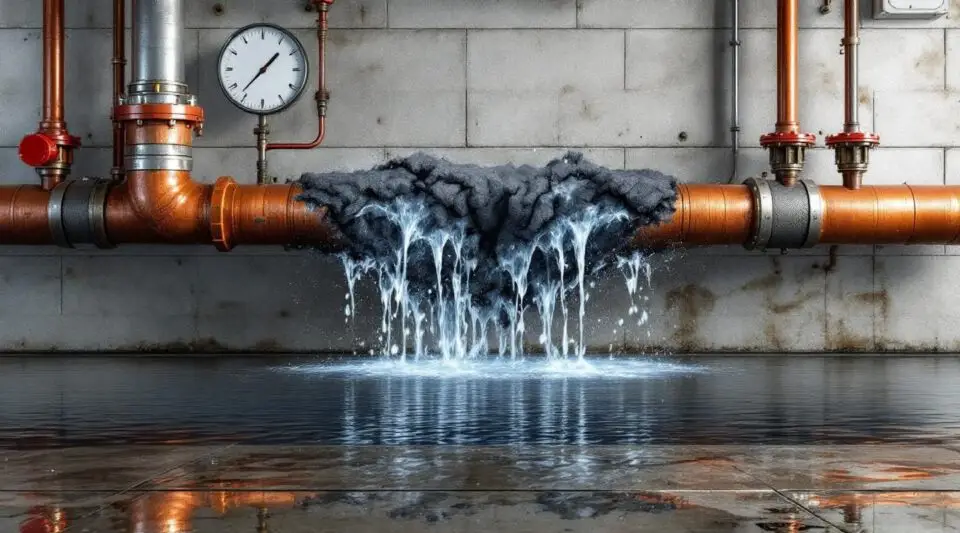
When a pressurized pipe failure occurs in a multi-story office or a retail warehouse, the volume of water released is staggering.
Learn more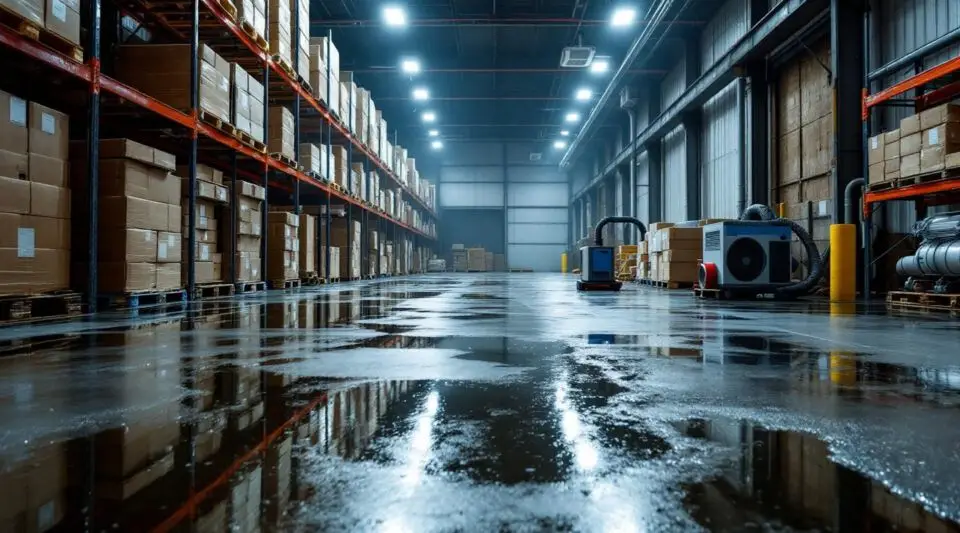
Our specialized team delivers rapid water extraction and industrial-grade structural drying to protect your inventory and restore your San Diego commercial facility to full operation after a flood.
Learn moreWhen a pipe broke in my bathroom and water started to seep into the hallway, it spread faster than I anticipated it would. I called a company that fixes water damage, and they called me back right away. The personnel had the right tools and quickly got rid of the water. They didn't only look at the parts that were easy to see; they also looked behind walls and under floors to make sure they didn't miss anything. I liked how they went into each step, especially the drying process and why it's so crucial to keep mold from growing. They examined the moisture levels every few days and made any changes to their tools that were necessary. I was glad to know that everything had been thought out nicely. Everything was safe and dry again when they were done. It's good to know that experts care about this and don't take shortcuts.
Betty Wellington
The water that spilled got into the cupboards and floor near the sink. The restoration team gently took out the broken pieces and dried the area entirely.
Charlotte Welch
We didn't see that water was slowly flowing into the basement for months. Their inspection tools found the main problem, and they cleaned up, stopped mold from spreading, and completed repairs promptly and well. I appreciated how honest they were and how hard they worked.
Nathan Faeyza
After a large storm destroyed the roof and the inside of the house, Kedor Restorations came in. They finished the mitigation work fast, which kept more structural problems from happening. The group was well-organized, talked to each other, and did a great job.
Rosemary Darden
Before they started cleaning up, our mold removal business took the time to find out where the moisture was coming from.
Cindy Goode