- (402) 532-4051
- 6214 Q Street, Omaha, NE 68117

When you walk down your basement stairs and feel the unmistakable squish of saturated carpet, your first instinct is usually panic. In the Omaha metro, whether it’s a failed sump pump during a Missouri River spring rise or a burst pipe after a brutal Nebraska freeze-thaw cycle, water intrusion doesn’t wait for a convenient time. You need more than just a shop-vac; you need a systematic approach to stop the clock on mold growth and structural rot. We arrive ready to stabilize the environment before the damage multiplies.
Our process follows the IICRC S500 standard for professional water damage restoration, ensuring every step is documented and effective. We begin with immediate standing water extraction using high-volume submersible pumps and industrial wet vacs to pull the bulk of the liquid out before it can wick further into your drywall. We categorize the water—from Category 1 clean water to Category 3 unsanitary backups—to determine the exact sanitization protocols required to keep your family safe and your property intact.
It is the water you can’t see that causes the most long-term grief. Our technicians use advanced moisture mapping to find pockets of humidity trapped behind baseboards or under floorboards that would otherwise lead to secondary damage like warped subfloors or persistent odors. By taking regular psychrometric readings and maintaining detailed drying logs, we don’t just guess if your home is dry; we prove it with scientific data that stands up to scrutiny.
You deserve a team that understands the specific challenges of Omaha’s older housing stock, from the aging clay tile drains in Benson to the finished basements in Douglas County. Our experienced technicians are trained to handle these complexities with a focus on saving as much of your original material as possible. We work directly with your insurance carrier, providing the photographic evidence and moisture readings they need to process your claim without the typical back-and-forth headaches.
Time is your biggest enemy when water is involved. Within 24 to 48 hours, mold spores can begin to colonize damp surfaces, turning a simple extraction job into a much more expensive remediation project. We prioritize rapid response because we know that every hour saved during the initial extraction phase is a dollar saved on your final repair bill. Let us handle the heavy lifting while you focus on getting your home back to normal.
Choosing professional extraction over a DIY approach is often the difference between a simple cleanup and a total basement remodel. When water enters your home—whether from a burst pipe in the middle of a Nebraska winter or a flash flood during spring—the clock starts ticking immediately. You might be tempted to grab a shop-vac and handle it yourself, but household equipment simply lacks the lift and CFM (cubic feet per minute) required to pull moisture out of deep pad layers or structural framing. Our team follows the IICRC S500 standard to ensure that every gallon of standing water extraction is completed before it has the chance to migrate into your sill plates or wick up your drywall.
Beyond the visible puddles, the real benefit of hiring experienced technicians lies in what you can’t see. We use advanced moisture mapping to track the path of water intrusion through your floors and behind your baseboards. This scientific approach prevents secondary damage like wood rot and structural warping that often goes unnoticed for weeks. By stabilizing the environment quickly, we stop the 24-to-48-hour mold growth window in its tracks. You aren’t just paying for someone to pump out a basement; you are investing in the long-term health and air quality of your Omaha home.
Rapid Extraction — We use high-volume submersible pumps and wet vacs to clear standing water in a fraction of the time DIY methods take.
Hidden Moisture Detection — Our moisture mapping tools find water trapped behind drywall and under hardwood that causes future mold growth.
Insurance Documentation — We provide detailed drying logs and photos that Omaha adjusters need to process your water damage claim quickly.
Category Classification — Our crew identifies if you are dealing with Category 1 clean water or dangerous Category 3 sewage to ensure safe handling.
Structural Preservation — By removing water fast, we save affected materials like framing and subfloors that would otherwise require expensive demolition.
In the Omaha metro, the clock starts the moment your basement or crawl space floods. You generally have a 24-to-48-hour window before mold spores begin colonizing saturated drywall and baseboards. Our Home Water Removal Services focus on rapid standing water extraction to break that cycle before the damage becomes permanent. We use submersible pumps and high-volume wet vacs to pull the bulk of the liquid out immediately. For residents in low-lying areas near the Missouri River, the City of Omaha Public Works department provides resources on local drainage, but they cannot assist with water inside your walls. If you wait too long, you are no longer just dealing with a clean leak; you are looking at a complex microbial remediation project.
Most standard homeowners insurance policies in Nebraska cover Home Water Removal Services if the cause was sudden and accidental, such as a burst pipe or a failed water heater. However, coverage often excludes gradual seepage or long-term maintenance issues. We work closely with local adjusters to provide the detailed drying logs and moisture mapping they require for claim approval. Because we follow the IICRC S500 standard, your carrier sees a professional, documented scope of work rather than a vague invoice. We recommend calling us to document the scene before you even file the claim. This ensures nothing is disturbed that might jeopardize your reimbursement or lead to a claim denial due to lack of evidence.
While a household wet-dry vac can pick up surface puddles, it cannot address the water that has already wicked into your wall studs or under your luxury vinyl plank flooring. Professional Home Water Removal Services in Omaha involve more than just suction; we use moisture mapping tools to find water trapped in “blind” cavities. If you leave that hidden moisture behind, it will eventually rot your framing or trigger a mold outbreak behind your cabinets. Our team brings industrial-grade dehumidification and psychrometric tools to ensure the air itself is dry enough to pull moisture out of dense materials. DIY efforts often feel successful on the surface but lead to much more expensive structural repairs three months down the road.
Pricing for Home Water Removal Services varies based on the volume of water and the “category” of the liquid. A clean water pipe burst is significantly less expensive than a Category 3 sewage backup, which requires specialized PPE and antimicrobial treatments. In the Omaha area, costs are typically calculated by the square footage affected and the number of days industrial air movers and dehumidifiers must run to reach “dry standards.” We provide a free on-site estimate with moisture readings so you aren’t guessing at the final bill. Be wary of any contractor quoting a flat rate over the phone; without seeing how deep the water has penetrated your subfloor, an accurate quote is simply not possible.
To ensure your property is truly safe, our Home Water Removal Services use a combination of heavy-duty extraction and structural drying tools. We start with submersible pumps for deep flooding, then transition to weighted extractors that pull water out of carpet padding without necessarily removing the carpet itself. Once the standing water is gone, we deploy LGR (Low Grain Refrigerant) dehumidifiers and high-velocity air movers. These aren’t your standard hardware store fans; they are designed to move massive volumes of air to facilitate rapid evaporation. Our experienced technicians monitor these machines daily, adjusting their placement based on psychrometric readings to ensure every corner of your Omaha home is bone-dry and safe for your family.
When your basement in Omaha starts taking on water from a failed sump pump or a burst pipe, time is your most expensive variable. Standing water doesn’t just sit there; it actively wicks into your drywall and structural framing, creating a breeding ground for mold in as little as 24 hours. Our experienced technicians use professional-grade extraction tools to pull moisture from deep within the subfloor, ensuring your home is truly dry rather than just appearing dry on the surface.
Don’t wait for a musty odor to settle in or for your floorboards to start crowning. We provide honest on-site assessments and the detailed moisture mapping required by insurance carriers to help you manage the claim process. Reach out now to get a crew on-site before a simple cleanup turns into a full-scale reconstruction project.
In the Omaha metro area, water intrusion is rarely a clean event. Whether it’s a spring snowmelt flood in Benson or a burst pipe in a Dundee basement, the clock starts ticking the moment liquid hits your subfloor. If you leave standing water for more than 24 hours, you aren’t just dealing with a wet carpet; you’re inviting Category 2 or 3 contaminants into your living space. Our older housing stock often has aging sewer laterals that can fail during heavy rains, turning a simple puddle into a biohazard. Professional extraction isn’t just about convenience; it’s about stopping the migration of moisture into your framing before it triggers structural rot.
When we arrive at your property, we don’t just pull out a wet vac and call it a day. We follow the IICRC S500 standard to ensure every gallon is accounted for. Using moisture mapping, we identify exactly where the water has traveled behind your baseboards and under your hardwood. This is critical because secondary damage—like warped floorboards or crumbling drywall—often happens days after the surface looks dry. By using submersible pumps for heavy volume and high-lift extractors for deep-cell padding, we remove the bulk of the liquid so the dehumidification phase can actually work. Without this aggressive first step, your industrial fans will just circulate humid air, prolonging the drying time and increasing your final bill.
You might be tempted to handle a small leak yourself, but hidden moisture is a silent killer for Omaha homes. Most insurance carriers require professional drying logs and documented moisture readings to approve a claim. If you skip the professional extraction, you risk a slow leak denial later when mold appears in your wall cavities. Our crew understands that a flooded basement is a crisis, and our goal is to stabilize the environment immediately so you can get back to normal without the lingering smell of mildew. We focus on total extraction so that your home remains a safe, dry environment for your family.
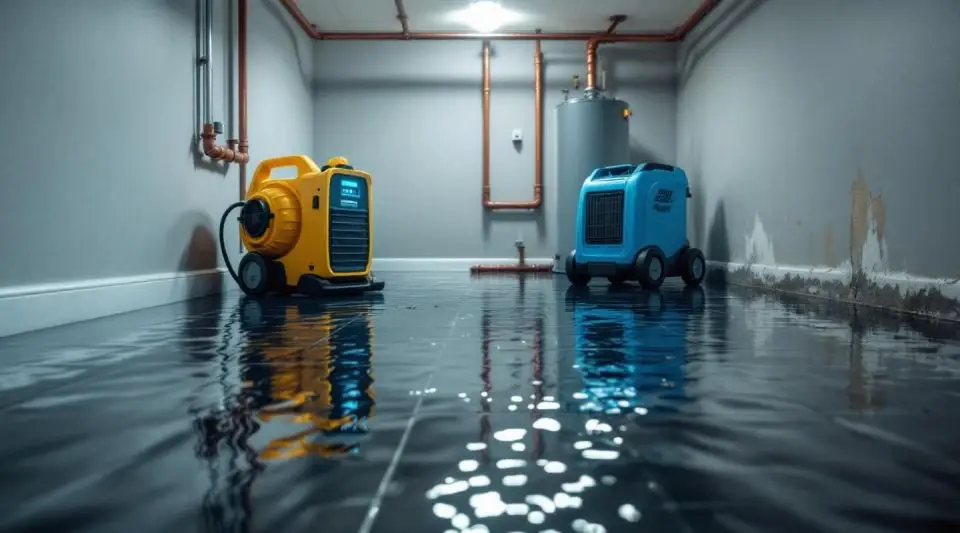
When a supply line snaps or an Omaha summer storm sends several inches of water into your basement, the window for a successful recovery is incredibly narrow.
Learn more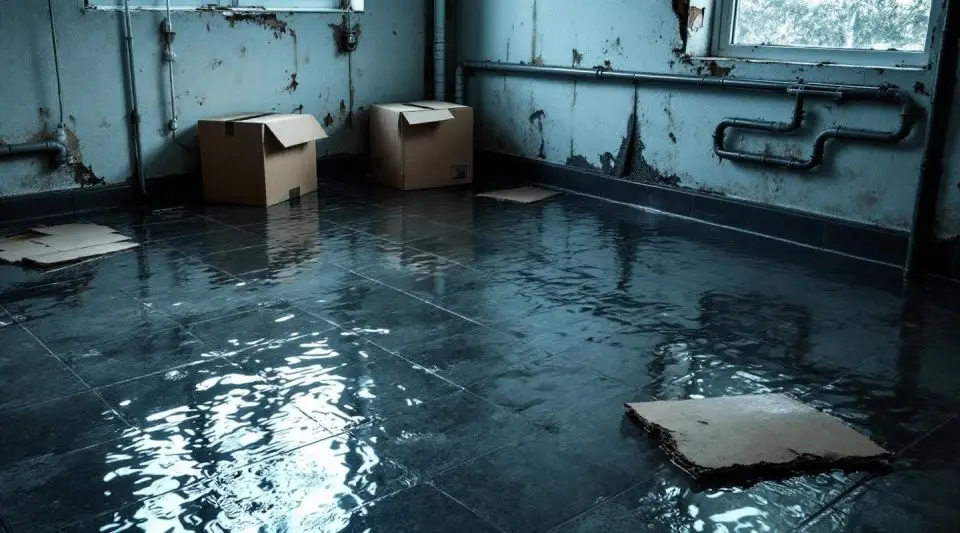
Omaha weather is notoriously unpredictable, and for many homeowners, a heavy spring downpour or a sudden summer thunderstorm can quickly turn a dry basement into a disaster zone.
Learn more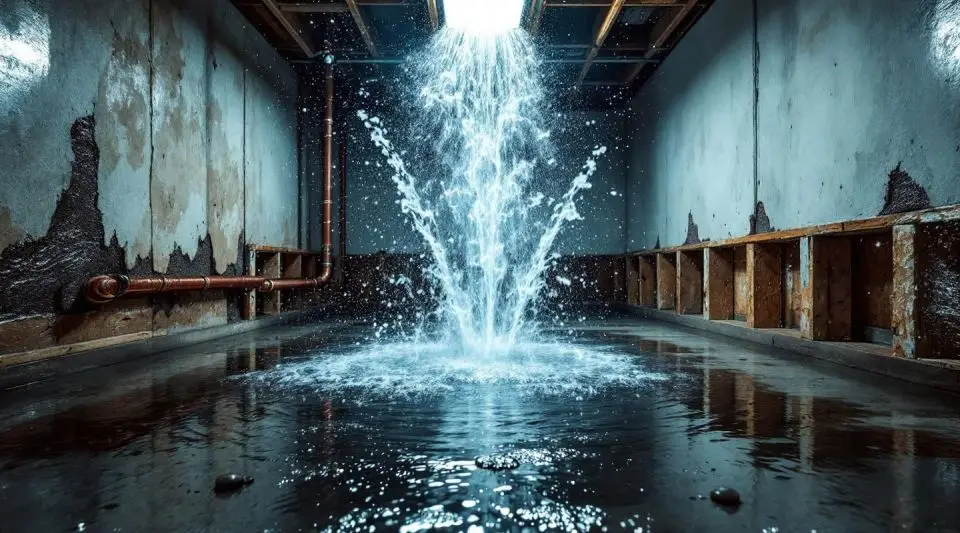
When the mercury drops in Omaha, the plumbing in older neighborhoods like Dundee or Benson faces a brutal test.
Learn more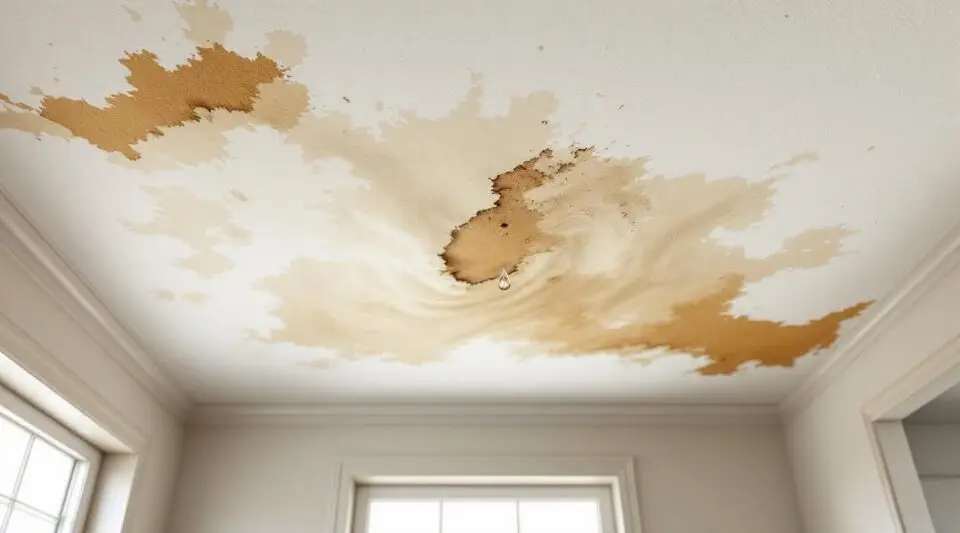
Our dedicated San Diego team provides emergency Ceiling Water Damage Repair to address sagging drywall and hidden moisture before structural issues or mold can compromise your family's residential living space.
Learn more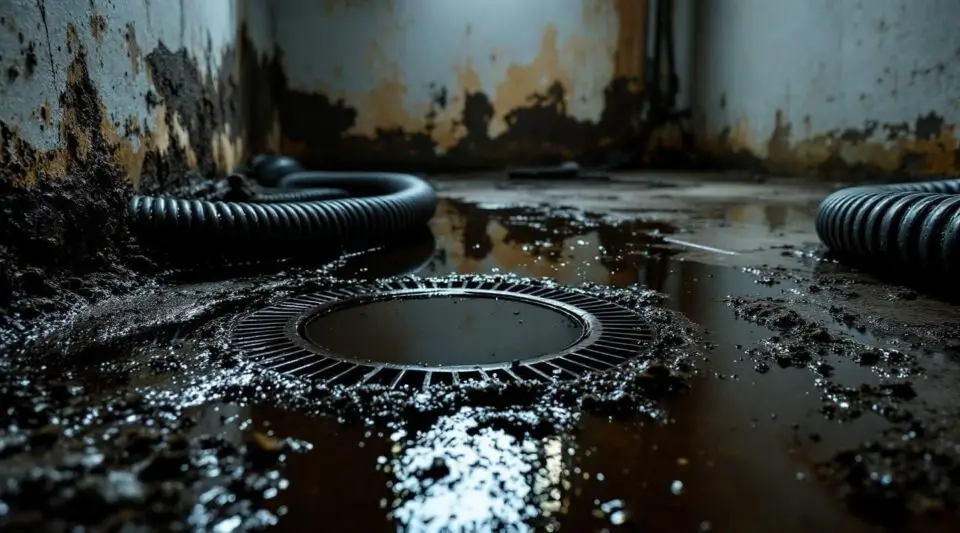
Discovering a sanitary sewer overflow in your basement is a visceral crisis that goes beyond a simple mess.
Learn more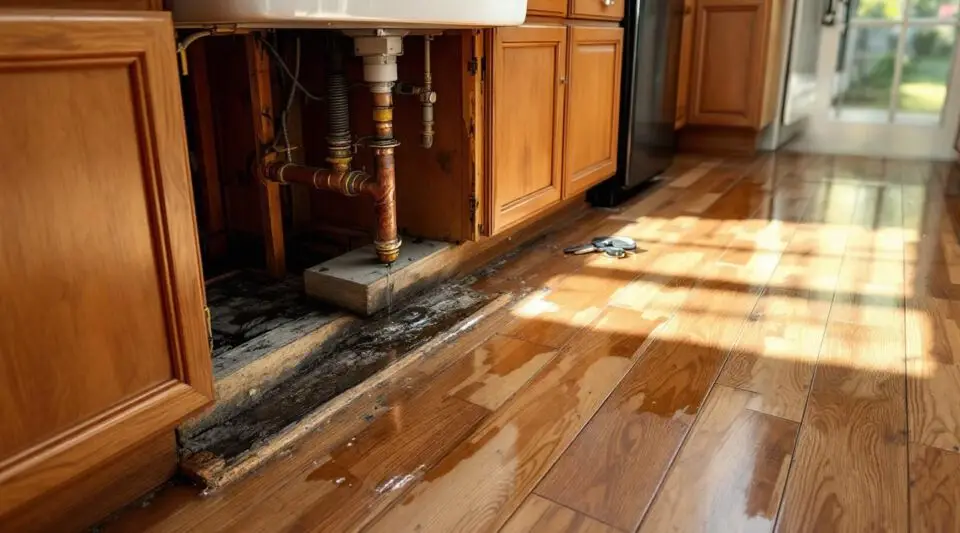
A slow drip under your kitchen sink isn't just a nuisance; it’s a quiet threat to the structural integrity of your home.
Learn more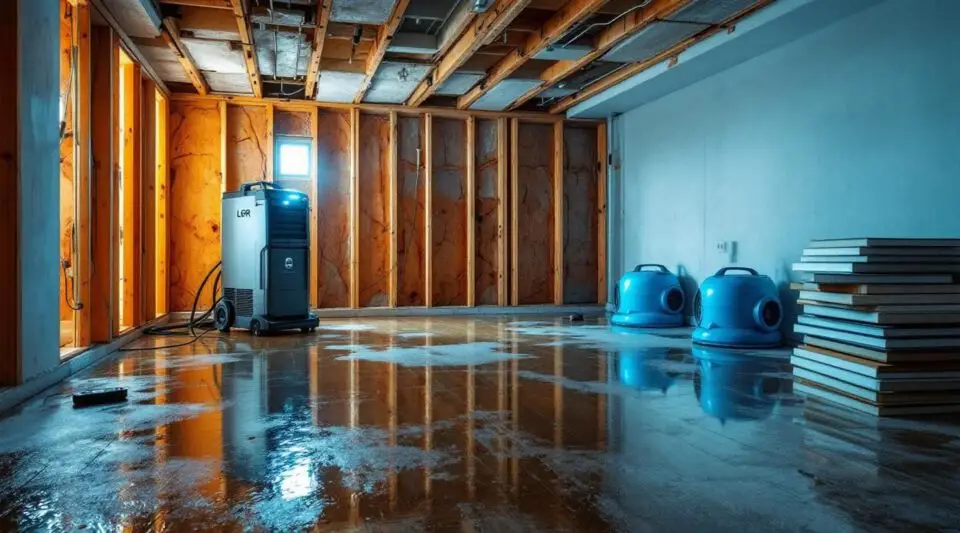
Walking into a flooded basement or seeing water drip through your living room ceiling is a gut-punch moment for any homeowner.
Learn moreWhen a pipe broke in my bathroom and water started to seep into the hallway, it spread faster than I anticipated it would. I called a company that fixes water damage, and they called me back right away. The personnel had the right tools and quickly got rid of the water. They didn't only look at the parts that were easy to see; they also looked behind walls and under floors to make sure they didn't miss anything. I liked how they went into each step, especially the drying process and why it's so crucial to keep mold from growing. They examined the moisture levels every few days and made any changes to their tools that were necessary. I was glad to know that everything had been thought out nicely. Everything was safe and dry again when they were done. It's good to know that experts care about this and don't take shortcuts.
Betty Wellington
After a large storm destroyed the roof and the inside of the house, Kedor Restorations came in. They finished the mitigation work fast, which kept more structural problems from happening. The group was well-organized, talked to each other, and did a great job.
Rosemary Darden
Before they started cleaning up, our mold removal business took the time to find out where the moisture was coming from.
Cindy Goode
We didn't see that water was slowly flowing into the basement for months. Their inspection tools found the main problem, and they cleaned up, stopped mold from spreading, and completed repairs promptly and well. I appreciated how honest they were and how hard they worked.
Nathan Faeyza
The water that spilled got into the cupboards and floor near the sink. The restoration team gently took out the broken pieces and dried the area entirely.
Charlotte Welch