- (402) 532-4051
- 6214 Q Street, Omaha, NE 68117

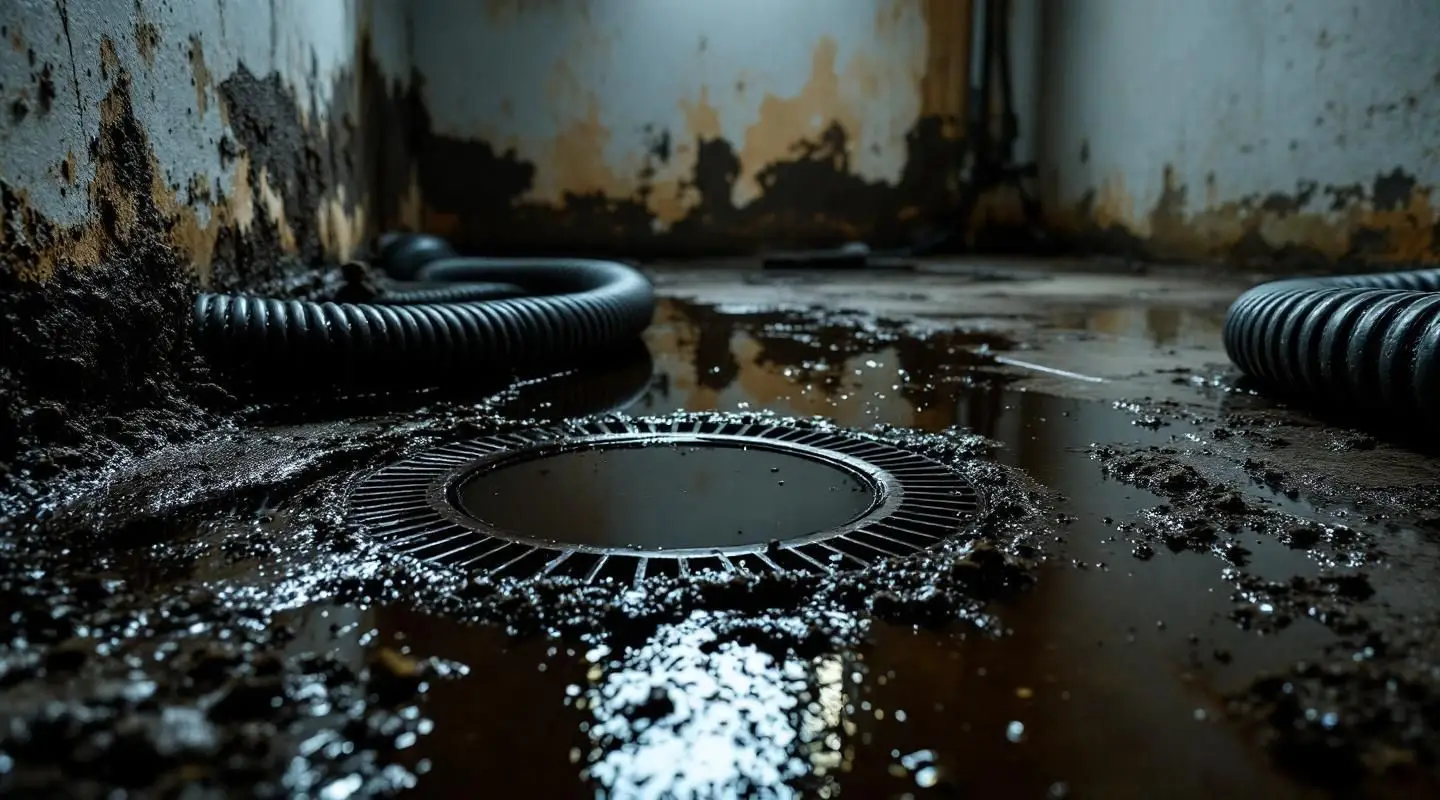
Discovering a sanitary sewer overflow in your basement is a visceral crisis that goes beyond a simple mess. In many older Omaha neighborhoods, the combined sewer system can become overwhelmed during heavy spring rains, pushing raw sewage back through floor drains and into your living space. This isn’t just water; it is category 3 water contamination, commonly known as black water, which contains pathogens, bacteria, and viruses that pose immediate health risks to your family. You shouldn’t attempt to mop this up with household tools, as improper handling can spread contaminants through your HVAC system or into the structural framing of your home.
Professional sewage extraction is the only safe way to handle the wet waste removal and the subsequent biohazard disinfection required to make the space habitable again. When we arrive, our first priority is establishing containment barriers to prevent cross-contamination to the rest of your house. We use industrial-grade HEPA air scrubbing to capture airborne particulates and neutralize the overwhelming odors that accompany a sewer line backup. You might be tempted to save the carpet or the lower foot of drywall, but porous materials that have absorbed black water usually require contaminated drywall removal to ensure no hidden pathogens remain trapped behind the walls.
Our process is grounded in the IICRC S500 standards, ensuring every step from the initial sewage cleanup to the final antimicrobial treatment meets rigorous safety benchmarks. We don’t just dry the area; we perform ATP surface testing to verify that the disinfection was successful at a microscopic level. This data-driven approach gives you the certainty that your basement is actually clean, not just ‘clean-looking.’ If you are dealing with the aftermath of a backup, our team of certified technicians is ready to step in and manage the entire remediation process from start to finish.
Timing is everything when dealing with biohazards. The longer sewage sits, the higher the risk of secondary damage like mold growth or permanent structural rot. We work directly with your insurance to document the scope of work, helping you navigate the complexities of sewer backup riders and claims. By focusing on thorough structural drying and odor neutralization, we ensure that once the job is done, the only thing left behind is a safe, sanitized environment for your family.
The primary benefit of professional sewage remediation is the absolute certainty that your home is biologically safe for your family again. When a sanitary sewer overflow hits an older basement in South Omaha, you aren’t just dealing with dirty water; you are facing Category 3 black water contamination. This liquid carries pathogens and bacteria that can’t be neutralized with a simple mop and bucket. By bringing in experienced technicians, you ensure that every square inch of affected material is either removed or sterilized according to IICRC S500 standards. We don’t guess if a surface is clean. We use ATP surface testing to verify that microbial activity has been eliminated, preventing the lingering ‘sewer smell’ that often haunts DIY cleanup attempts.
Beyond the immediate health protection, professional cleanup preserves the structural integrity of your property. Sewage is highly invasive. It wicks into porous materials like drywall, baseboards, and carpet padding within minutes. If left untreated, these materials become breeding grounds for mold and structural rot. Our crew handles the heavy lifting of contaminated drywall removal and wet waste disposal, following Douglas County regulations for biohazard waste. We then deploy HEPA air scrubbing and industrial-grade antimicrobial treatments to scrub the air and surfaces. This aggressive approach stops secondary damage in its tracks, ensuring that a temporary plumbing failure doesn’t turn into a permanent loss of home value.
Pathogen Elimination — Removing harmful bacteria and viruses found in black water contamination to protect your health.
Odor Neutralization — Using industrial air scrubbers and odor counteractants to eliminate sewer gas smells at the source.
Verified Sanitation — Utilizing ATP testing to provide scientific proof that surfaces are biologically clean and safe.
Material Management — Expertly identifying which porous materials like carpet padding must be replaced to prevent mold.
Insurance Documentation — Providing the detailed photo logs and professional scopes adjusters need for sewer backup claims.
Pricing for Sewage Backup Cleanup in Omaha varies based on the volume of black water contamination and the square footage affected. Unlike clean water leaks, these projects require specialized biohazard disinfection and the disposal of porous materials like carpet padding or insulation. You can expect higher costs than standard drying because of the mandatory safety protocols and protective gear required. Regarding insurance, a standard homeowners policy in Nebraska often excludes sewer line backups unless you have a specific sewer backup rider. We recommend checking your policy for this endorsement immediately. If covered, your out-of-pocket expense is usually limited to your deductible. Our technicians often work with local adjusters to ensure the scope of work meets the IICRC S500 standards for professional restoration.
Attempting a DIY cleanup for a sanitary sewer overflow is highly discouraged due to significant health risks. Sewage is classified as category 3 water, meaning it contains pathogenic agents like E. coli, Salmonella, and various viruses. Without professional-grade sewage extraction equipment and personal protective gear, you risk cross-contaminating the rest of your home. Professionals use HEPA air scrubbing and antimicrobial treatments that consumer-grade cleaners simply cannot match. In Omaha, our team follows strict OSHA biohazard handling standards to ensure your living space is truly sanitized. We also use ATP surface testing after the job to verify that all invisible bacteria have been neutralized before your family moves back into the affected area.
A typical Sewage Backup Cleanup in Omaha takes between three to five days, though this depends on how much structural drying is required. The first 24 hours are critical for wet waste removal and setting up containment barriers to stop odors from spreading. If we don’t start the extraction and contaminated drywall removal quickly, mold can begin to colonize within 48 hours. By using high-capacity dehumidifiers and industrial air movers, we stabilize the environment to prevent secondary damage. Rapid response is the only way to ensure that the moisture trapped behind baseboards or inside wall cavities doesn’t turn into a long-term fungal problem that requires even more invasive repairs later.
The overwhelming odor associated with a sewer line backup is caused by volatile organic compounds and bacteria. Simply drying the area won’t fix it. For effective Sewage Backup Cleanup in Omaha, we perform deep odor neutralization using specialized fogging equipment or hydroxyl generators. These tools break down the odor-causing molecules at a molecular level rather than just masking them with scents. We also remove highly absorbent materials like tack strips and particle board, which often hold onto smells indefinitely. You should also consult the City of Omaha Public Works department if the backup was caused by a municipal main line failure, as they may have specific reporting requirements for your neighborhood.
The rule of thumb for Sewage Backup Cleanup in Omaha is that if a material is porous and was touched by black water, it usually has to go. This includes carpet, padding, upholstered furniture, and most types of insulation. These materials act like sponges for pathogens and cannot be reliably disinfected. However, non-porous surfaces like tile, concrete, and certain hardwoods can often be saved through aggressive scrubbing and antimicrobial treatment. We use moisture meters to check if the subfloor is compromised. If you are a resident in an older Omaha neighborhood with cast iron pipes, we might also suggest a camera inspection to ensure a root intrusion isn’t the underlying cause of your repeat backups.
Don’t let a sewage crisis compromise your home’s safety or your family’s health. When black water enters your living space, every hour of delay allows pathogens to penetrate deeper into your subflooring and drywall. You need more than just a mop; you need a team that understands biohazard disinfection and the strict protocols required to make a home truly habitable again.
If you are dealing with a sanitary sewer overflow in Omaha, our team is ready to respond immediately with the specialized equipment needed for complete extraction and structural drying. We handle the heavy lifting and the hazardous waste disposal so you can focus on getting your life back to normal.
Ignoring a sewage backup or attempting to clean it without proper PPE is a dangerous gamble with your family’s health. In the restoration industry, we classify this as category 3 water—or black water contamination—because it contains gross pathogenic contaminants like E. coli, Salmonella, and various viruses. When a sanitary sewer overflow hits your basement floor, these biohazards don’t just sit on the surface; they soak into concrete pores and wick up into your drywall. If you have small children or elderly residents in your Omaha home, the risk of respiratory distress or infection is immediate. Our experienced technicians understand that “clean” isn’t just about what you can see; it’s about achieving a sanitary state through microscopic decontamination.
Beyond the health risks, the clock is ticking on your property’s structural integrity. Many homeowners hope a simple mop-and-bleach solution will suffice, but porous materials like carpet padding, insulation, and unfinished basement trim act like sponges for raw sewage. These items cannot be salvaged and must undergo contaminated drywall removal and wet waste removal to prevent permanent rot. If left for more than 24 to 48 hours, the high moisture levels combined with organic waste create the perfect breeding ground for mold. By the time you notice a musty smell, the spores have likely already colonized the wall cavities behind your baseboards, turning a straightforward sewage extraction into a massive mold remediation project.
Then there is the matter of the lingering odor. Sewer gas and decomposing waste produce volatile organic compounds that can permeate your entire home’s ventilation system. We use industrial HEPA air scrubbing and specialized odor neutralization techniques to ensure your living space doesn’t just look better, but actually smells clean. We don’t guess if a surface is safe; we use ATP surface testing to verify that biohazard disinfection has actually worked at a molecular level. Taking these steps now protects your home’s resale value and ensures that a past plumbing disaster doesn’t become a permanent disclosure liability. You deserve to know that the ground your family lives on is truly sanitary.
When a supply line snaps or an Omaha summer storm sends several inches of water into your basement, the window for a successful recovery is incredibly narrow.
Learn more
Omaha weather is notoriously unpredictable, and for many homeowners, a heavy spring downpour or a sudden summer thunderstorm can quickly turn a dry basement into a disaster zone.
Learn more
When the mercury drops in Omaha, the plumbing in older neighborhoods like Dundee or Benson faces a brutal test.
Learn more
Our dedicated San Diego team provides emergency Ceiling Water Damage Repair to address sagging drywall and hidden moisture before structural issues or mold can compromise your family's residential living space.
Learn more
When you walk down your basement stairs and feel the unmistakable squish of saturated carpet, your first instinct is usually panic.
Learn more
A slow drip under your kitchen sink isn't just a nuisance; it’s a quiet threat to the structural integrity of your home.
Learn more
Walking into a flooded basement or seeing water drip through your living room ceiling is a gut-punch moment for any homeowner.
Learn moreThe water that spilled got into the cupboards and floor near the sink. The restoration team gently took out the broken pieces and dried the area entirely.
Charlotte Welch
After a large storm destroyed the roof and the inside of the house, Kedor Restorations came in. They finished the mitigation work fast, which kept more structural problems from happening. The group was well-organized, talked to each other, and did a great job.
Rosemary Darden
Before they started cleaning up, our mold removal business took the time to find out where the moisture was coming from.
Cindy Goode
When a pipe broke in my bathroom and water started to seep into the hallway, it spread faster than I anticipated it would. I called a company that fixes water damage, and they called me back right away. The personnel had the right tools and quickly got rid of the water. They didn't only look at the parts that were easy to see; they also looked behind walls and under floors to make sure they didn't miss anything. I liked how they went into each step, especially the drying process and why it's so crucial to keep mold from growing. They examined the moisture levels every few days and made any changes to their tools that were necessary. I was glad to know that everything had been thought out nicely. Everything was safe and dry again when they were done. It's good to know that experts care about this and don't take shortcuts.
Betty Wellington
We didn't see that water was slowly flowing into the basement for months. Their inspection tools found the main problem, and they cleaned up, stopped mold from spreading, and completed repairs promptly and well. I appreciated how honest they were and how hard they worked.
Nathan Faeyza