- (402) 532-4051
- 6214 Q Street, Omaha, NE 68117

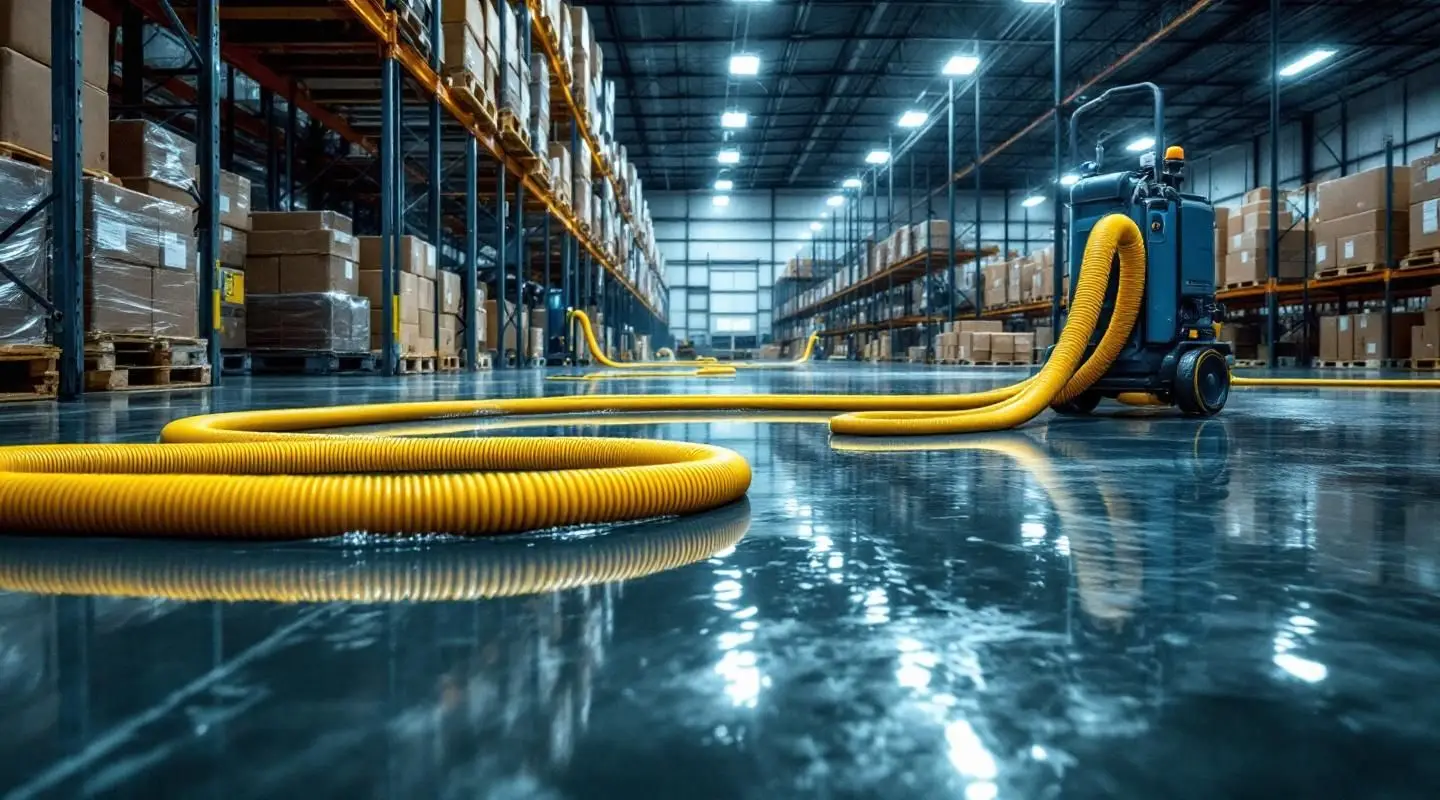
When a storm overwhelms the drainage system of your Omaha facility or a supply line ruptures in an unheated loading dock, the clock starts ticking against your bottom line. You do not just have a puddle; you have a logistical crisis that threatens structural integrity and employee safety. At Kedor Restorations, we specialize in high-capacity industrial water extraction designed to handle the massive square footage of local distribution centers and manufacturing plants. We arrive with truck-mounted extractors and submersible pumps to move thousands of gallons of water before it has the chance to seep into your concrete slab or compromise your racking systems.
Standing water on a warehouse floor is a liability that grows by the hour. If you are managing a facility near the Missouri River industrial corridor, you know that Nebraska’s weather can be unforgiving. Our experienced technicians use moisture mapping and thermal imaging to find where the intrusion has traveled behind vapor barriers or under heavy machinery. We focus on bulk water removal first to stabilize the environment, ensuring that your inventory—whether it is electronics, paper goods, or raw materials—is shielded from the rising humidity that follows a flood event.
The complexity of a warehouse environment requires more than just a shop vac and a few fans. We follow the IICRC S500 standard for every job, especially when dealing with category 2 water intrusion that may contain contaminants from floor drains or external runoff. Our protocol involves deploying high-capacity air movers and commercial desiccant drying units to pull deep-seated moisture out of porous concrete. By managing the psychrometric readings of the entire space, we prevent the secondary damage—like mold colonization on insulation or metal corrosion—that often follows a poorly executed dry out. You need a partner who understands that every hour of downtime is a lost shipment, and we work in phases to keep your operations moving while we dry.
When thousands of gallons of water inundate your facility due to a burst main or a flash flood from the Missouri River, every hour of standing water increases your recovery costs. Professional Warehouse Water Extraction isn’t just about mopping up; it requires high-capacity bulk water removal to prevent moisture from wicking into your inventory and racking systems. We deploy truck-mounted extractors that pull water out of the building far faster than portable units ever could. This rapid response is critical in Omaha, where humidity can quickly turn a simple leak into a massive mold liability within 48 hours.
Beyond the surface, we focus on the physics of your building. Concrete slabs are porous; they act like a sponge, holding moisture that can later cause epoxy floors to delaminate or create hidden mold colonies. Our experienced technicians follow the IICRC S500 standard, using commercial desiccant drying and high-capacity air movers to stabilize the environment. We don’t guess if it’s dry. We use moisture mapping and psychrometric readings to prove it, ensuring your facility meets OSHA safety standards before your crew returns to the floor. This methodical approach prevents secondary damage that often costs more than the initial flood cleanup.
MINIMIZE DOWNTIME — Rapid bulk water removal allows your logistics and shipping operations to resume without weeks of closure.
PRESERVE INVENTORY — We use vapor barrier containment to isolate dry goods from humid zones, protecting your bottom line.
SLAB STABILIZATION — Deep concrete slab drying prevents long-term structural issues and subfloor moisture traps.
INSURANCE COMPLIANCE — Detailed moisture logs and thermal imaging reports provide the documentation your adjuster needs.
SAFETY FIRST — We eliminate slip-and-fall hazards and potential electrical risks by following strict industrial drying protocols.
When a main breaks or a flash flood hits the Missouri River floodplain, every hour the water sits on your slab increases the risk of structural compromise. For Warehouse Water Extraction in Omaha, we maintain a 24/7 emergency dispatch posture because we know that industrial facilities cannot afford prolonged downtime. Our technicians typically arrive within two to four hours to begin bulk water removal using truck-mounted extractors and high-capacity submersible pumps. This rapid mobilization is essential for preventing Category 2 water intrusion from wicking into your racking systems or inventory packaging, which can happen in as little as 24 hours if left unaddressed.
Standard restoration tools often fail in a 50,000-square-foot environment. We utilize heavy-duty industrial water extraction equipment, including high-CFM truck-mounted units and commercial desiccant drying systems that outperform standard refrigerant dehumidifiers in large, open spaces. Our process involves detailed moisture mapping and thermal imaging inspection to identify water that has migrated under heavy machinery or into mezzanine supports. By following the IICRC S500 standard, we ensure that the volume of high-capacity air movers deployed is sufficient to achieve the necessary evaporation rates for dense concrete slabs and steel-frame structures common in Omaha industrial parks.
We understand that halting shipping and receiving is often more expensive than the restoration itself. In most cases, we can implement a phased structural drying protocol that allows your team to continue working in dry zones. We use vapor barrier containment to isolate the affected areas, ensuring that the rest of your facility remains operational and OSHA-compliant. Our experienced technicians coordinate with your facility manager to schedule the loudest extraction phases during shift changes or low-activity windows. This strategic approach minimizes the footprint of our equipment while maintaining the aggressive drying schedule required to protect your assets.
Concrete is deceptively porous; it acts like a hard sponge that retains moisture long after the surface appears dry. If you have epoxy coatings or specialized floor seals, trapped moisture can cause bubbling or delamination. We use psychrometric readings and deep-sensing moisture meters to verify that the slab has reached its dry standard. In the humid Nebraska summer, we often rely on commercial desiccant drying to force moisture out of the concrete pores. You can monitor local weather patterns and flood alerts via the City of Omaha news portal to stay ahead of conditions that might complicate your facility’s natural drainage and humidity levels.
Yes, providing a transparent paper trail is a core part of our Warehouse Water Extraction service in Omaha. We generate comprehensive moisture logs, daily drying progress reports, and photo documentation that clearly show the extent of the water intrusion and the efficacy of our mitigation efforts. Most commercial adjusters require this level of technical data to approve large-loss claims. We act as your technical liaison, explaining the psychrometric readings and the necessity of specific equipment like desiccant dehumidifiers to the insurance company. This ensures your procurement team has the evidence needed to support the restoration costs and minimize out-of-pocket expenses for the business.
Every hour that water sits on your concrete slab is an hour your logistics chain is broken. We understand that a flooded loading dock or inventory floor isn’t just a mess; it’s a liability that threatens your shipping deadlines and OSHA compliance. Our crew arrives with truck-mounted extractors and high-capacity pumps to pull bulk water out before it can seep into your racking systems or compromise stored goods.
You need a partner who can scale to the size of your facility without the typical delays of residential-grade companies. Whether you’re dealing with a burst pipe in the mezzanine or a storm-surge flood, our team provides the moisture mapping and industrial water extraction required to clear the floor and get your forklifts moving again.
When a storm hits the Missouri River floodplain or a supply line snaps in your Omaha facility, the clock starts immediately. You don’t just have a puddle; you have a ticking liability. Standing water on a 50,000-square-foot floor isn’t just a slip hazard—it’s an invitation for mold to colonize your racking systems and inventory within 48 hours. We use high-capacity truck-mounted extractors to pull bulk water before it can seep into the porous concrete or wick into drywall. Waiting even a day can turn a simple extraction into a massive remediation project that halts your shipping and receiving entirely.
Most facility managers assume that if the floor looks dry, the job is done. That’s a dangerous mistake. Concrete slabs act like a sponge, holding moisture that eventually leads to epoxy floor failure or structural degradation. Our team performs detailed moisture mapping and uses commercial desiccant drying to ensure the deep-seated humidity is gone. We follow the IICRC S500 standard to verify that your subfloor is actually stable, not just surface-dry. By addressing the vapor barrier containment and slab porosity now, you prevent the “ghost” moisture that causes recurring mold issues months down the line.
Beyond the building itself, your operational uptime is at stake. Logistics and fleet operators know that a flooded loading dock is an OSHA violation waiting to happen. You can’t run forklifts through standing water without risking equipment damage and employee safety. Our experienced technicians work in phases, allowing you to keep parts of your warehouse functional while we handle the bulk water removal in affected zones. We provide the psychrometric readings and drying logs your insurance adjuster needs, ensuring your claim is backed by hard data rather than guesswork.
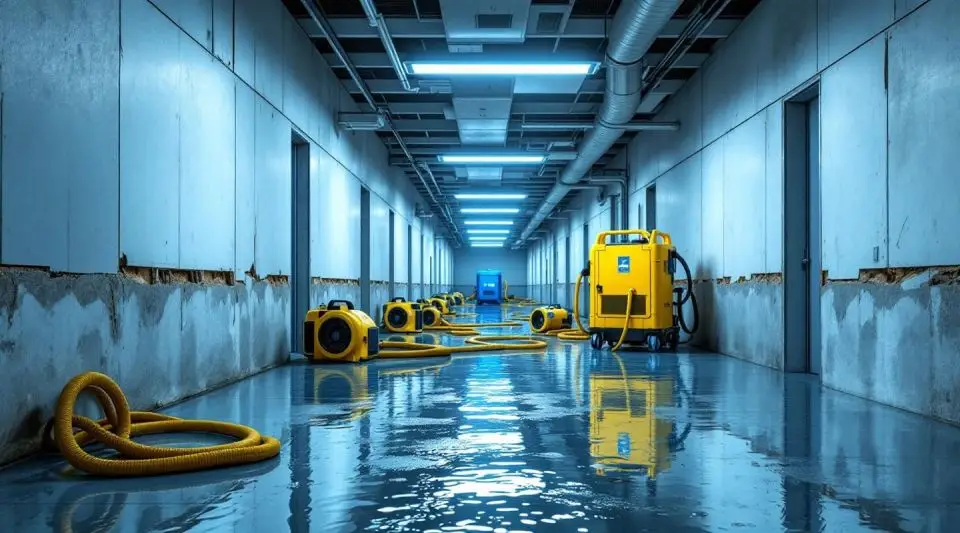
When a main water line bursts on the fourth floor of an Omaha office complex or a flash flood overwhelms your warehouse loading dock, the clock starts ticking against your bottom line.
Learn more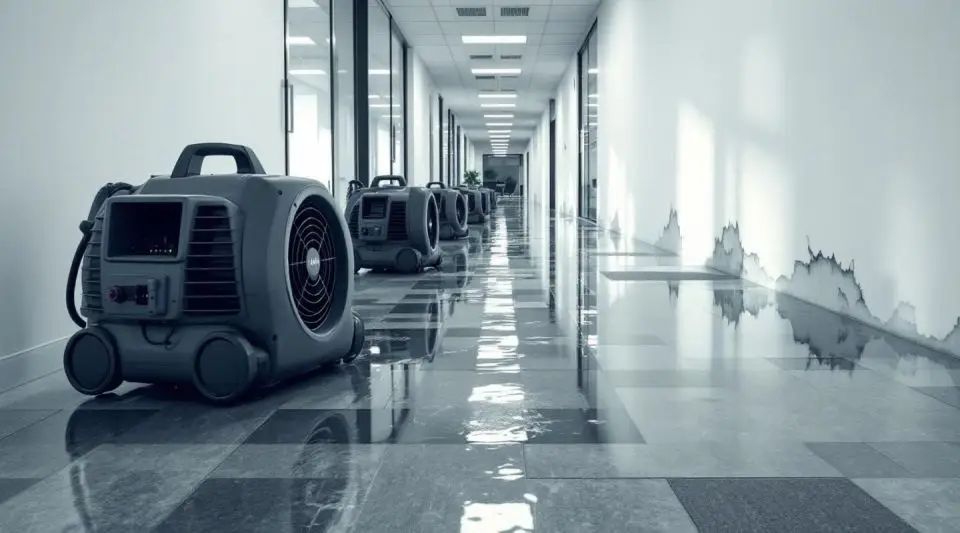
When a water main breaks or a flash flood hits a commercial property in Omaha, the clock starts ticking against your building’s structural integrity and your tenants' patience.
Learn more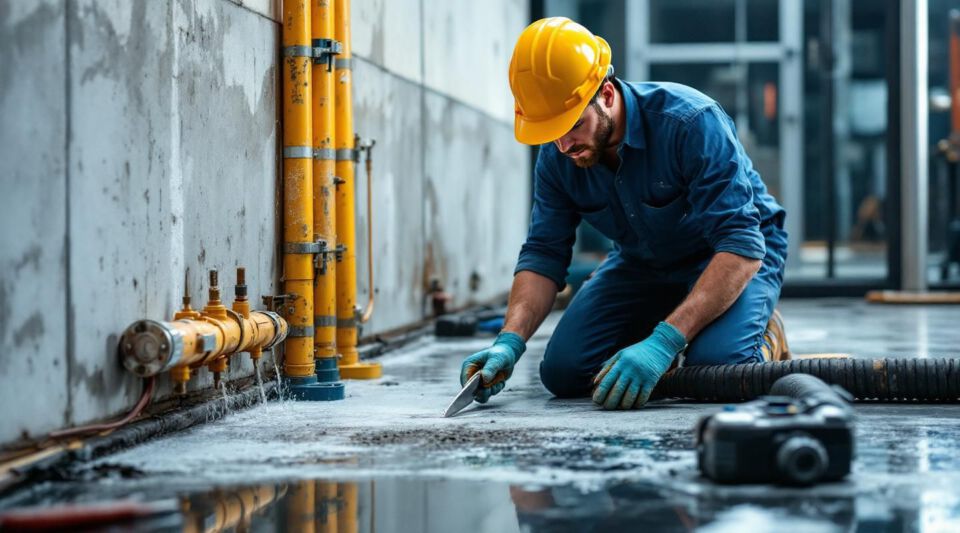
When a vertical pipe stack fails on the fifth floor or a sprinkler head accidentally discharges in a crowded lobby, the clock starts ticking against your hotel’s bottom line.
Learn more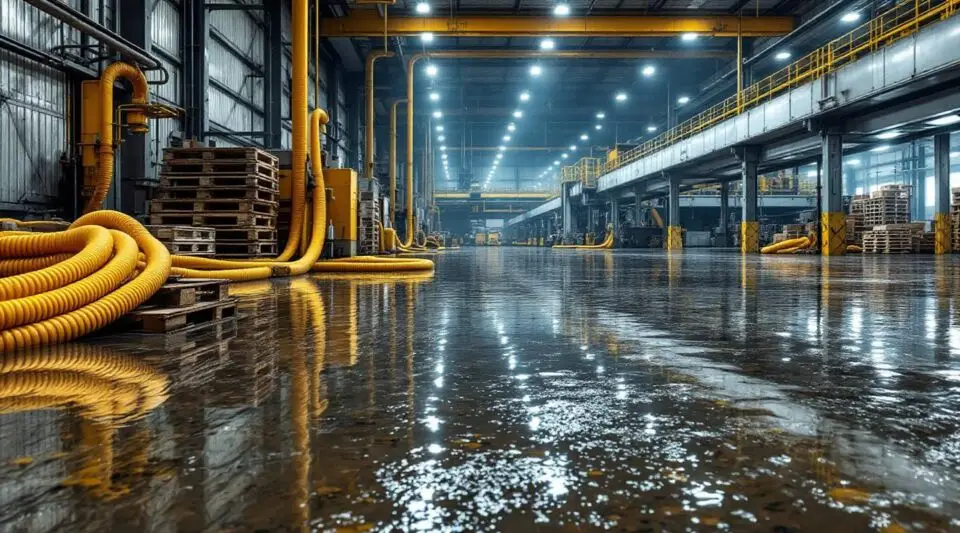
When an industrial facility or large-scale commercial property in Omaha faces a flood, the clock doesn't just tick—it roars.
Learn more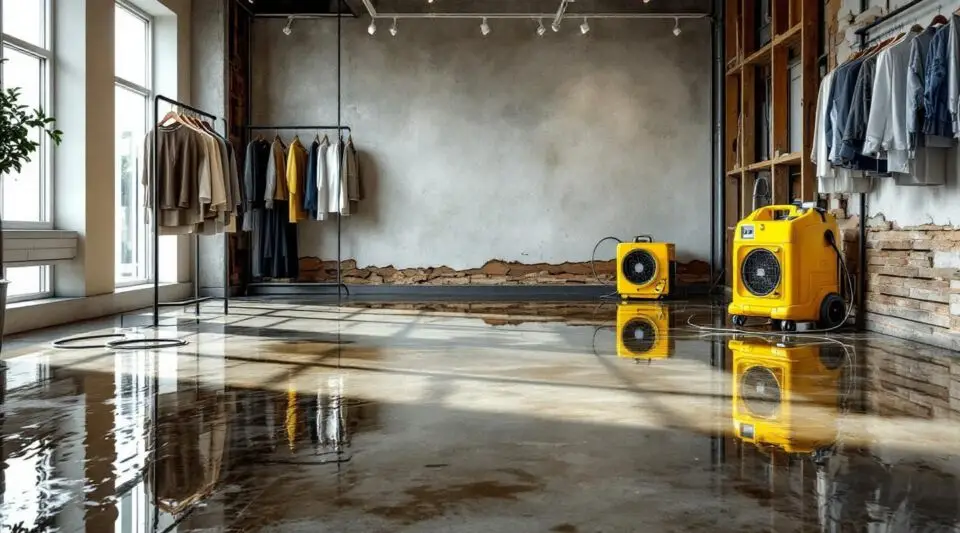
When a flash flood or a failed sprinkler system hits your retail space, the clock starts ticking against your bottom line.
Learn more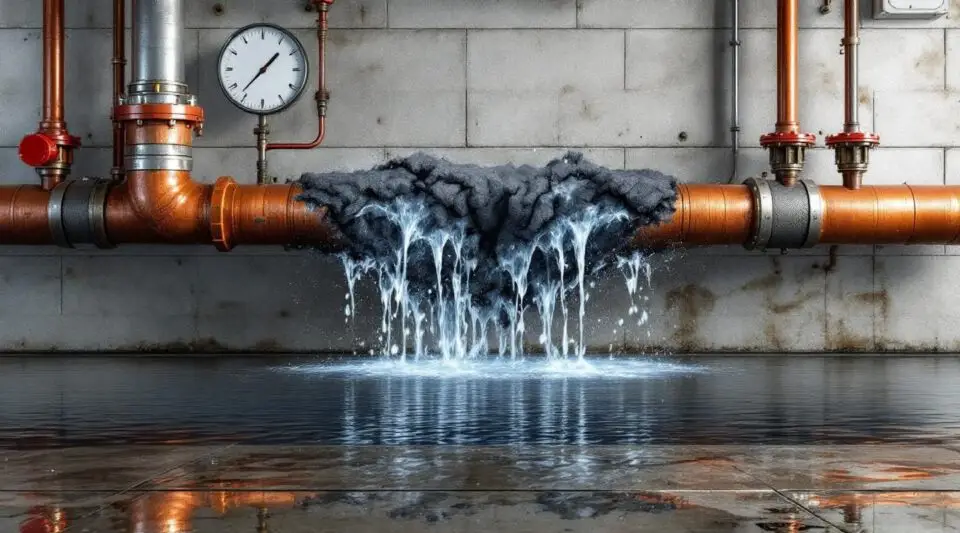
When a pressurized pipe failure occurs in a multi-story office or a retail warehouse, the volume of water released is staggering.
Learn more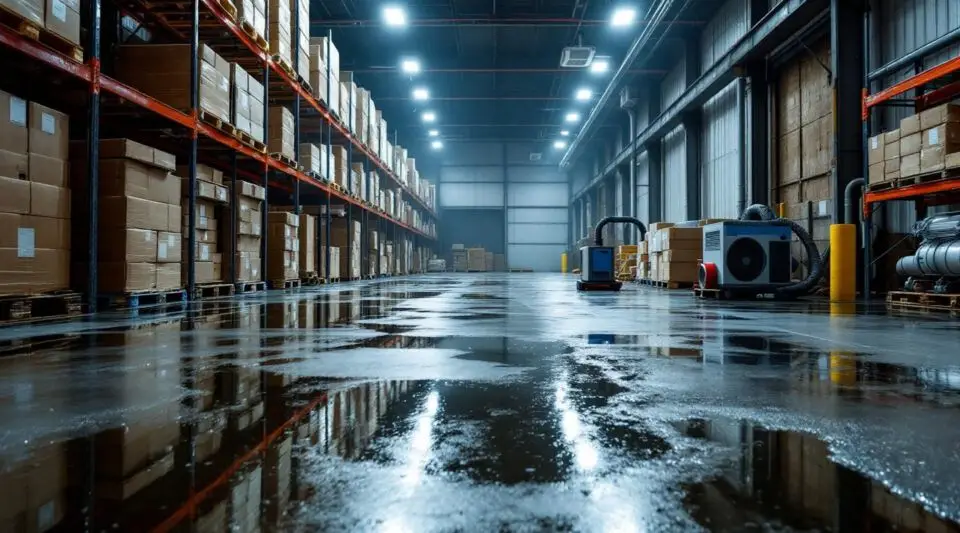
Our specialized team delivers rapid water extraction and industrial-grade structural drying to protect your inventory and restore your San Diego commercial facility to full operation after a flood.
Learn moreBefore they started cleaning up, our mold removal business took the time to find out where the moisture was coming from.
Cindy Goode
We didn't see that water was slowly flowing into the basement for months. Their inspection tools found the main problem, and they cleaned up, stopped mold from spreading, and completed repairs promptly and well. I appreciated how honest they were and how hard they worked.
Nathan Faeyza
The water that spilled got into the cupboards and floor near the sink. The restoration team gently took out the broken pieces and dried the area entirely.
Charlotte Welch
After a large storm destroyed the roof and the inside of the house, Kedor Restorations came in. They finished the mitigation work fast, which kept more structural problems from happening. The group was well-organized, talked to each other, and did a great job.
Rosemary Darden
When a pipe broke in my bathroom and water started to seep into the hallway, it spread faster than I anticipated it would. I called a company that fixes water damage, and they called me back right away. The personnel had the right tools and quickly got rid of the water. They didn't only look at the parts that were easy to see; they also looked behind walls and under floors to make sure they didn't miss anything. I liked how they went into each step, especially the drying process and why it's so crucial to keep mold from growing. They examined the moisture levels every few days and made any changes to their tools that were necessary. I was glad to know that everything had been thought out nicely. Everything was safe and dry again when they were done. It's good to know that experts care about this and don't take shortcuts.
Betty Wellington