- (402) 532-4051
- 6214 Q Street, Omaha, NE 68117

When a main water line bursts on the fourth floor of an Omaha office complex or a flash flood overwhelms your warehouse loading dock, the clock starts ticking against your bottom line. Commercial water damage isn’t just about wet carpets; it’s a complex threat to your structural integrity and daily operations. At Kedor Restorations, we understand that every hour your doors are closed represents a tangible loss in revenue. We don’t just show up with a few fans. We deploy high-capacity extraction truck-mount units and establish immediate containment barriers to isolate the affected zones, ensuring that a leak in one suite doesn’t migrate through the subfloor to disrupt your neighbors or tenants.
Our approach follows the strict IICRC S500 standard for professional water damage restoration. This isn’t guesswork. We use thermal imaging inspections and precision moisture mapping to find water hiding behind elevator shafts, inside mechanical rooms, or above drop ceilings. If you are dealing with a Category 3 water intrusion—such as a sewage backup or Missouri River flooding—the stakes are even higher. These scenarios require specialized decontamination protocols and aggressive structural drying to prevent long-term liability. Our experienced technicians monitor the environment daily, recording hygrothermal data to ensure the building reaches its dry standard without causing secondary damage like wood floor cupping or mold growth.
Navigating the aftermath of a large-loss water event in Nebraska requires more than just technical skill; it requires meticulous documentation for your insurance carrier. We provide a detailed scope of loss documentation and consistent drying logs that your adjuster needs to process the claim efficiently. Whether you are managing a retail space in the Old Market or a sprawling logistics center near the airport, we coordinate directly with your facility team to prioritize high-traffic areas. We focus on business interruption mitigation, often working in phases so you can keep essential departments running while we handle the heavy lifting of commercial desiccant dehumidification and subfloor moisture readings.
Omaha’s climate presents unique challenges, from frozen pipes in January to high summer humidity that can stall the drying process. We adjust our structural drying protocol based on these local variables, using industrial-grade equipment designed for the scale of commercial properties. We also stay mindful of local regulations; for older Omaha structures built before the 1980s, we flag potential asbestos-containing materials before starting any invasive extraction. You deserve a partner who understands the local landscape and the technical requirements of high-stakes commercial restoration.
The primary benefit of professional commercial water damage restoration is the preservation of your operational timeline. When a pipe bursts in an Omaha office or a warehouse floods during the spring snowmelt, every hour of standing water translates directly to lost revenue and mounting structural repair costs. By engaging our team of certified technicians, you ensure the project follows the IICRC S500 standard from the first hour. We do not just pull out the standing water; we implement a structural drying protocol that addresses the specific hygrothermal conditions of Nebraska’s climate. This precision prevents the secondary damage that often forces businesses to close for weeks rather than days.
You also gain the advantage of industrial-grade moisture mapping and documentation. In a large-loss water event, guessing where the moisture went is a recipe for future mold growth behind drywall or under subfloors. We use thermal imaging inspection and extraction truck-mount units to identify and remove water from hidden cavities. This data-driven approach is vital for your insurance adjuster. Providing a written drying log and clear scope of loss documentation ensures your claim moves forward without the friction of missing evidence. We focus on the technical details of containment barriers and commercial desiccant dehumidification so you can focus on managing your staff and clients.
REVENUE PROTECTION — Rapid extraction and drying protocols minimize business interruption, keeping your doors open and your staff productive.
PRECISION MONITORING — We use moisture mapping and thermal imaging to find hidden pockets of Category 3 water intrusion before they cause structural rot.
INSURANCE ALIGNMENT — Detailed drying logs and scope of loss documentation provide your adjuster with the exact data needed for faster claim processing.
LARGE-SCALE CAPACITY — Our fleet of high-volume extraction units and desiccant dehumidifiers handles warehouse-sized losses that residential equipment cannot touch.
MOLD PREVENTION — By controlling the environment within the first 24 to 48 hours, we stop fungal growth before it can colonize your HVAC or drop ceilings.
In a major metro like Omaha, mobilization speed is the difference between a three-day dry-out and a total gut job. When a pipe bursts in a West Omaha medical plaza or a warehouse near the Missouri River floods, our crews arrive with extraction truck-mount units ready for immediate water removal. We understand that every hour your doors are closed represents lost revenue. Our goal for Commercial Water Damage Restoration is to stabilize the environment within hours, not days, using moisture mapping to identify exactly where the intrusion stopped before it migrates into elevator shafts or mechanical rooms.
We prioritize business interruption mitigation by working directly with your property insurance adjuster from the first hour. Our experienced technicians provide a comprehensive scope of loss documentation that includes subfloor moisture readings and thermal imaging inspections. This level of detail ensures your claim isn’t delayed by information gaps. For any Commercial Water Damage Restoration project in Omaha, we maintain a daily written drying log. This transparency helps facility managers justify the restoration costs to stakeholders while ensuring the insurance company has the data they need to process the claim efficiently.
The IICRC S500 standard defines Category 1 as clean water, while Category 3 water intrusion involves highly contaminated sources like sewage or Missouri River floodwater. In an Omaha office building, a Category 3 event requires strict containment barriers and specialized PPE to protect your tenants. Commercial Water Damage Restoration for contaminated water is far more invasive, often requiring the removal of porous materials like drywall and carpet. We use high-grade antimicrobials and structural drying protocols to ensure the space is biologically safe before your employees return to work.
Large-scale drying in a warehouse or multi-story retail space requires more than just standard fans. We use commercial desiccant dehumidification to pull moisture from the air in massive volumes, which is essential for protecting sensitive inventory or electronics. If you are managing a large-loss water event in Omaha, our team sets up hygrothermal monitoring to track the progress of the structural drying protocol in real-time. This industrial-grade equipment allows us to dry dense materials like concrete subfloors or masonry walls that residential-grade tools simply cannot handle, preventing long-term structural issues.
Mold can begin to colonize damp building materials in as little as 24 to 48 hours, especially during Omaha’s humid summer months. This makes immediate Commercial Water Damage Restoration critical for any local business. If water sits behind a cove base or under a raised floor for more than two days, the risk of secondary damage skyrockets. We use thermal imaging to find hidden pockets of moisture that could trigger a mold outbreak weeks later. By acting fast, you avoid the much higher costs of mold remediation and the potential liability of poor indoor air quality.
Don’t let a water intrusion event compromise your facility’s safety or your company’s revenue. Every hour your doors remain closed represents a tangible loss, which is why our team prioritizes rapid business interruption mitigation through aggressive moisture mapping and structural drying. Reach out to our crew now to secure the heavy-duty equipment and professional oversight your property requires.
We specialize in large-loss events, deploying industrial desiccant dehumidification and truck-mounted extraction units to stabilize your environment. Our technicians handle the detailed scope of loss documentation needed for your insurance claim, ensuring your recovery in Omaha is as efficient as possible.
Ignoring or delaying commercial water damage restoration is a high-stakes gamble with your property’s structural integrity and your company’s bottom line. In a large-loss water event, every hour that passes without professional extraction increases the likelihood of permanent asset loss. We understand that for an Omaha facility manager, the primary concern isn’t just the standing water—it’s the business interruption mitigation. If your retail space or office building is offline, you aren’t just paying for repairs; you are losing revenue and risking tenant turnover. Our experienced technicians prioritize stabilizing the environment to get your doors back open as quickly as possible.
The technical complexity of a commercial structure requires more than just shop-vacs and standard floor fans. We follow the IICRC S500 standard strictly because commercial buildings often feature complex HVAC systems and multi-layered subfloors that trap moisture in ways residential homes do not. Without commercial desiccant dehumidification, that trapped water creates a “greenhouse effect” behind drywall and under commercial-grade carpeting. In Omaha’s humid summer months, this leads to secondary damage like mold growth within 48 hours. We use moisture mapping and thermal imaging to find water hidden in elevator shafts or mechanical rooms that a residential crew might overlook.
Proper documentation is the bridge between a successful restoration and a settled insurance claim. When Category 3 water intrusion occurs—perhaps from a sewage backup or a contaminated flood—the sanitation requirements are rigorous and legally sensitive. We provide detailed scope of loss documentation and consistent subfloor moisture readings to ensure your property insurance adjuster has everything they need to process the claim. This level of hygrothermal monitoring proves the building is truly dry, protecting you from future liability and ensuring the structural drying protocol was followed to the letter.
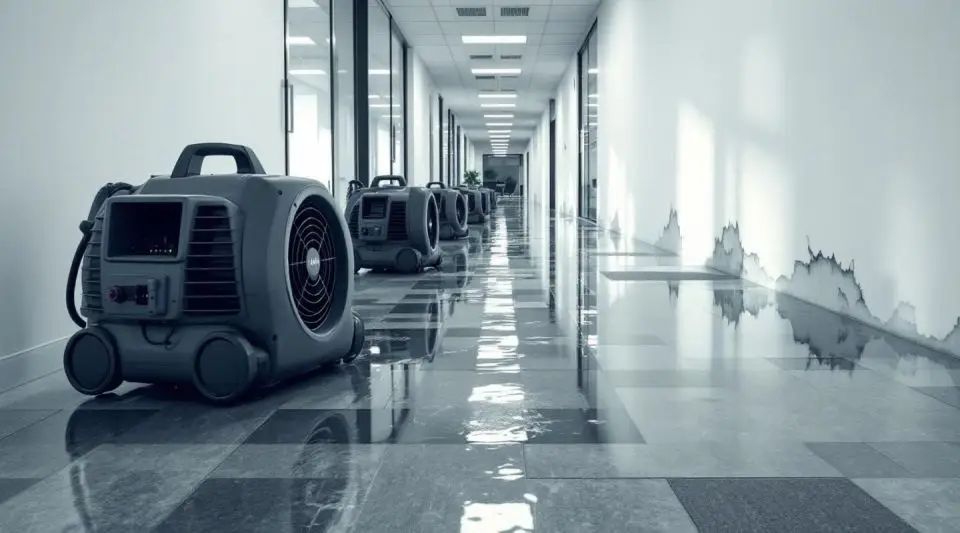
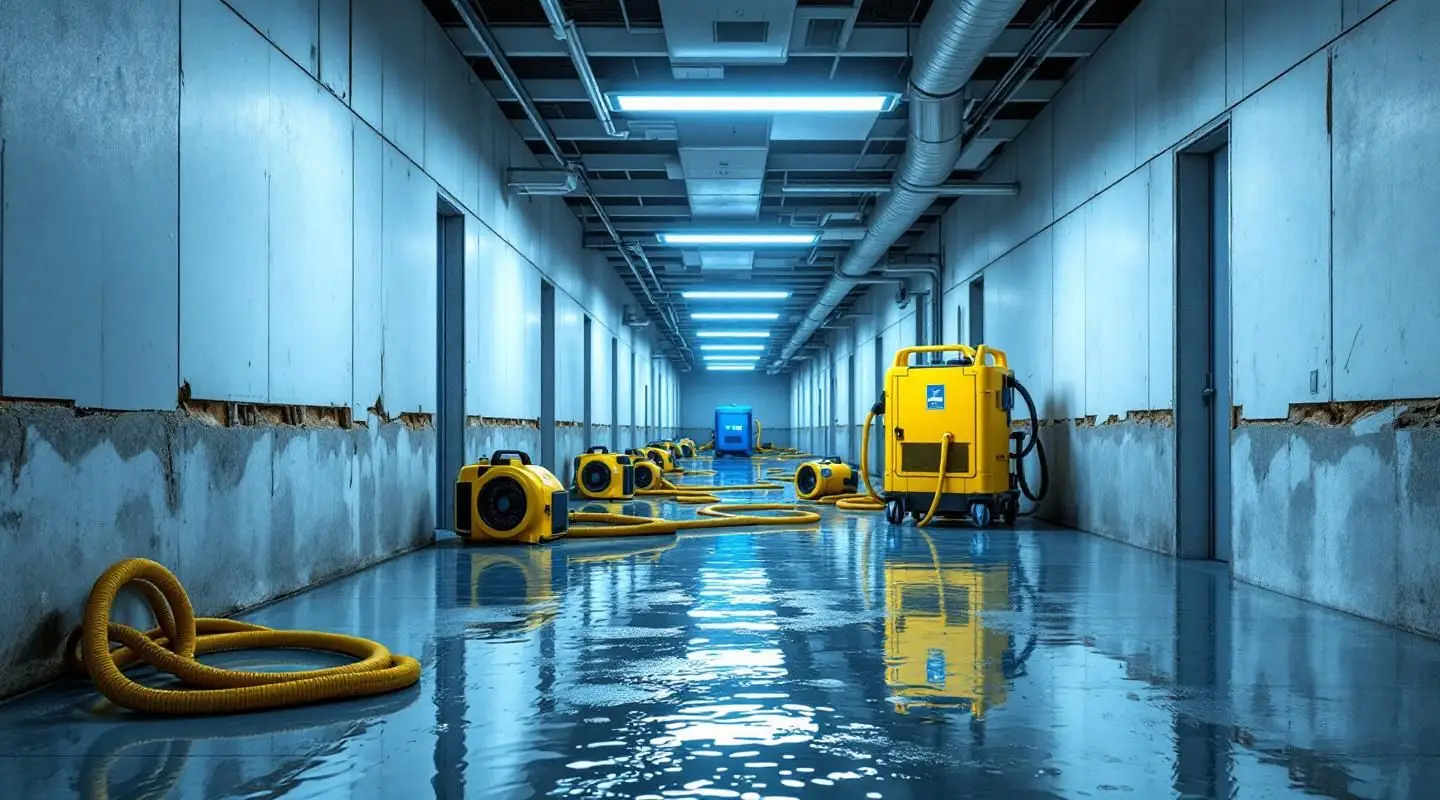
When a water main breaks or a flash flood hits a commercial property in Omaha, the clock starts ticking against your building’s structural integrity and your tenants' patience.
Learn more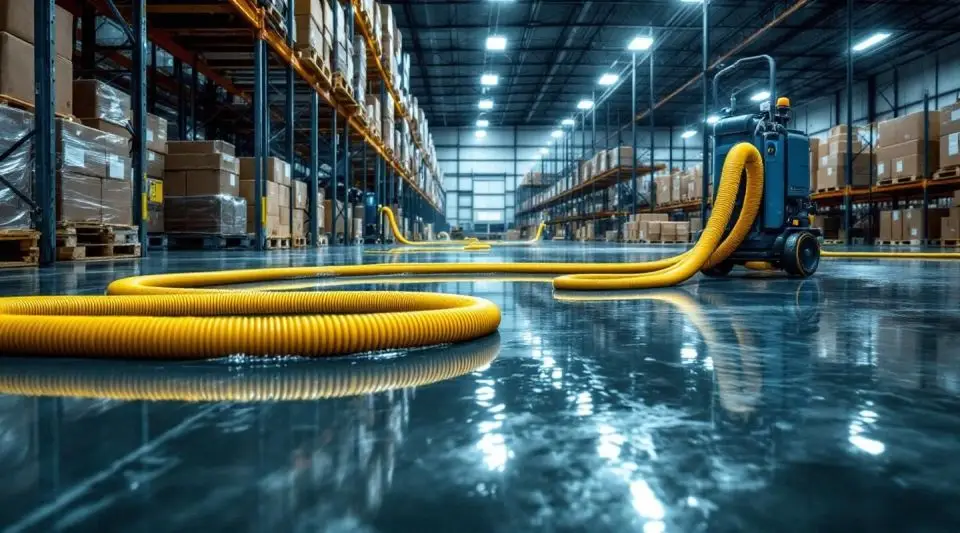
When a storm overwhelms the drainage system of your Omaha facility or a supply line ruptures in an unheated loading dock, the clock starts ticking against your bottom line.
Learn more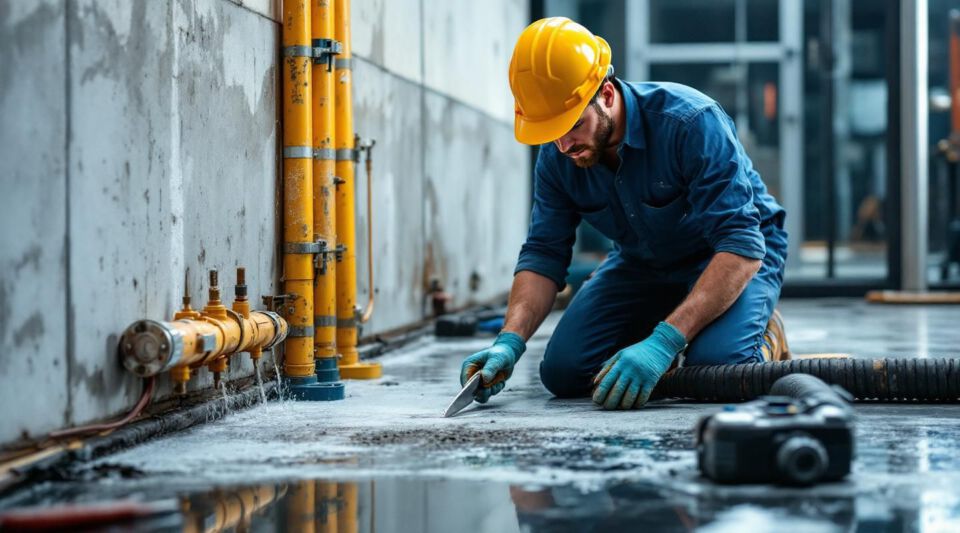
When a vertical pipe stack fails on the fifth floor or a sprinkler head accidentally discharges in a crowded lobby, the clock starts ticking against your hotel’s bottom line.
Learn more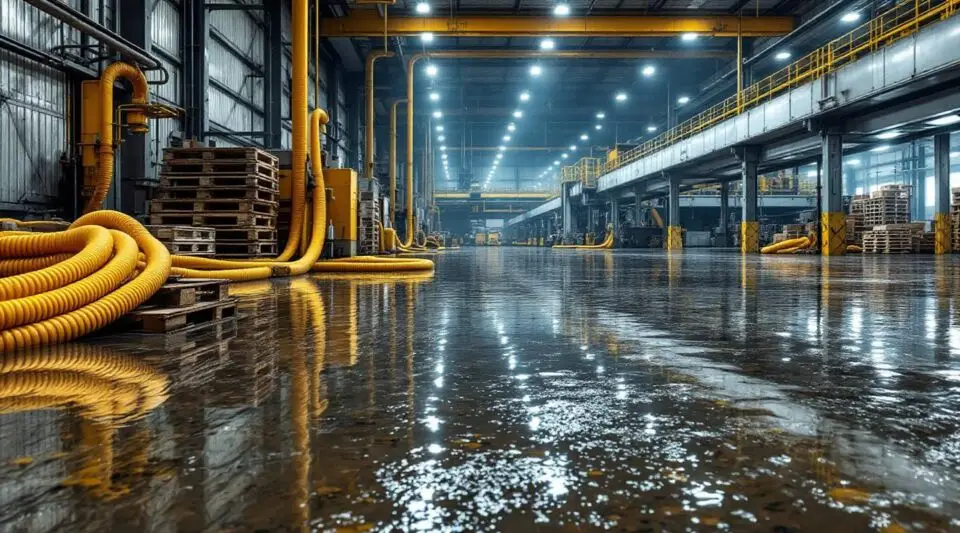
When an industrial facility or large-scale commercial property in Omaha faces a flood, the clock doesn't just tick—it roars.
Learn more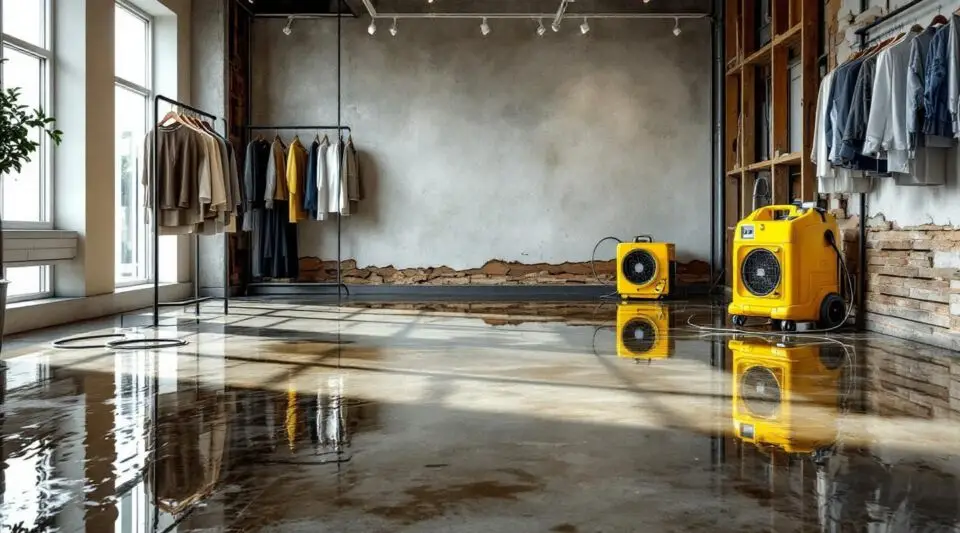
When a flash flood or a failed sprinkler system hits your retail space, the clock starts ticking against your bottom line.
Learn more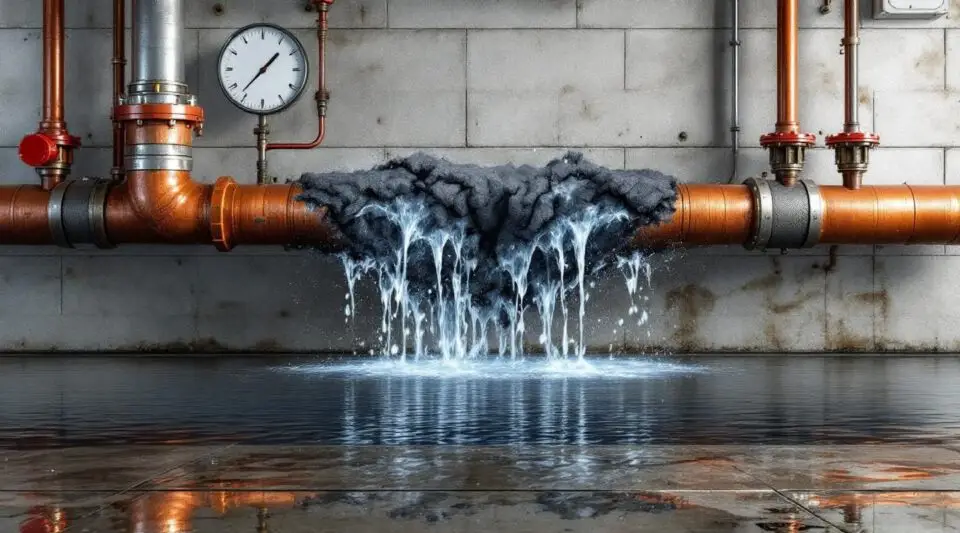
When a pressurized pipe failure occurs in a multi-story office or a retail warehouse, the volume of water released is staggering.
Learn more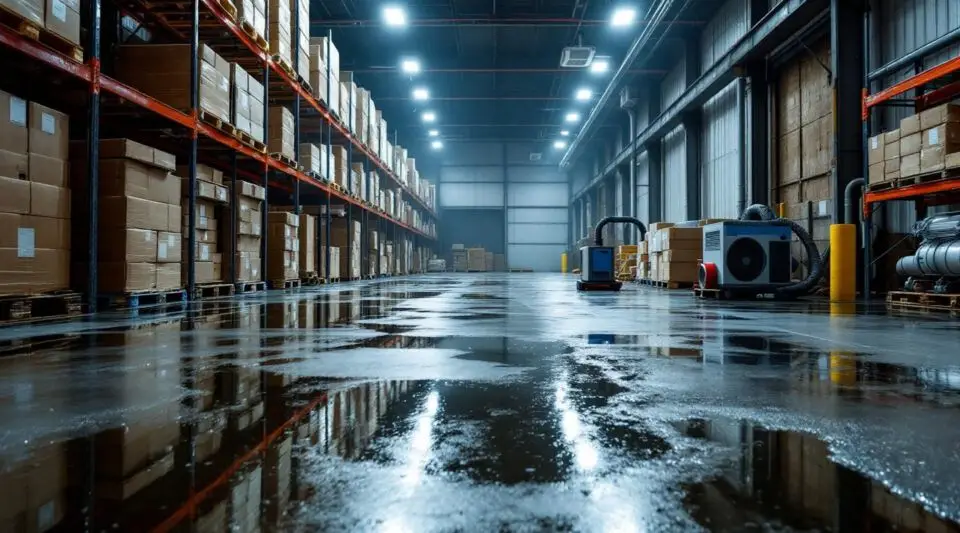
Our specialized team delivers rapid water extraction and industrial-grade structural drying to protect your inventory and restore your San Diego commercial facility to full operation after a flood.
Learn moreWhen a pipe broke in my bathroom and water started to seep into the hallway, it spread faster than I anticipated it would. I called a company that fixes water damage, and they called me back right away. The personnel had the right tools and quickly got rid of the water. They didn't only look at the parts that were easy to see; they also looked behind walls and under floors to make sure they didn't miss anything. I liked how they went into each step, especially the drying process and why it's so crucial to keep mold from growing. They examined the moisture levels every few days and made any changes to their tools that were necessary. I was glad to know that everything had been thought out nicely. Everything was safe and dry again when they were done. It's good to know that experts care about this and don't take shortcuts.
Betty Wellington
Before they started cleaning up, our mold removal business took the time to find out where the moisture was coming from.
Cindy Goode
The water that spilled got into the cupboards and floor near the sink. The restoration team gently took out the broken pieces and dried the area entirely.
Charlotte Welch
After a large storm destroyed the roof and the inside of the house, Kedor Restorations came in. They finished the mitigation work fast, which kept more structural problems from happening. The group was well-organized, talked to each other, and did a great job.
Rosemary Darden
We didn't see that water was slowly flowing into the basement for months. Their inspection tools found the main problem, and they cleaned up, stopped mold from spreading, and completed repairs promptly and well. I appreciated how honest they were and how hard they worked.
Nathan Faeyza